Use the filters to browse the information we have available or to narrow your search results for a specific audience (e.g. caregivers, military, children), a preferred type of content (e.g. videos, blogs, articles), or by topics of interest (e.g. family concerns, legal issues, symptoms).
Living alongside David Grant's TBI was a treatment-resistant case of PTSD. For over fifteen years, he lived with innumerable night terror events. The kitchen calendar counted the bad nights. A good month noted three or four bad nights. A tough month, like last November, came with nineteen night terror events. Last November was as bad as it gets. Life was unsustainable… until it wasn’t.
Last week, while scrolling through my news feed on social media, I had a rather abrupt realization: my life looks pretty normal these days. As I scrolled through my posts from the last few weeks, a picture emerged — a picture of someone enjoying life.
You might be asking yourself what changed. That’s the same question I asked myself. It’s a simple question with a complicated answer.
There is more to wellness than treating brain injury alone. I am a living, breathing, oftentimes thriving human being with a whole lot more than just a brain injury.
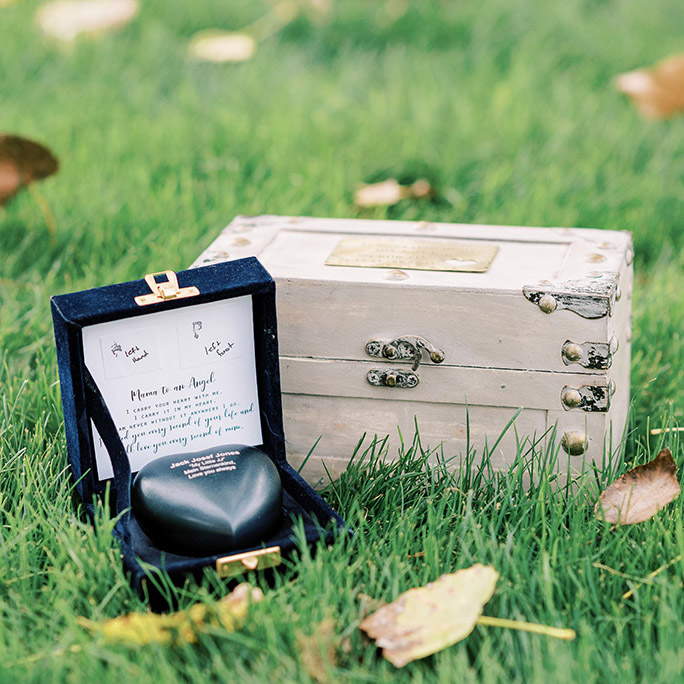
This month has been a whirlwind of pain, triggers, and generally not great behavior from both Russ and myself. Our eldest daughter, Elizabeth Shade-Ware, died unexpectedly in her sleep. Suffice it to say, I am a wreck...
“During pregnancy, a mother celebrates the journey with family and friends — think baby names, baby showers, nurseries, tiny clothes … smiles from strangers and proud hands on an ever-expanding belly. The journey of being pregnant is both personal and public. So, what should be one of the most magical experiences shared with family, friends, and colleagues becomes one of private emotional and physical trauma in a closed room, an experience that is then often not acknowledged nor spoken about. The mother returns home still looking pregnant, her hormones still acting as if she is pregnant, but her arms and heart are empty.”
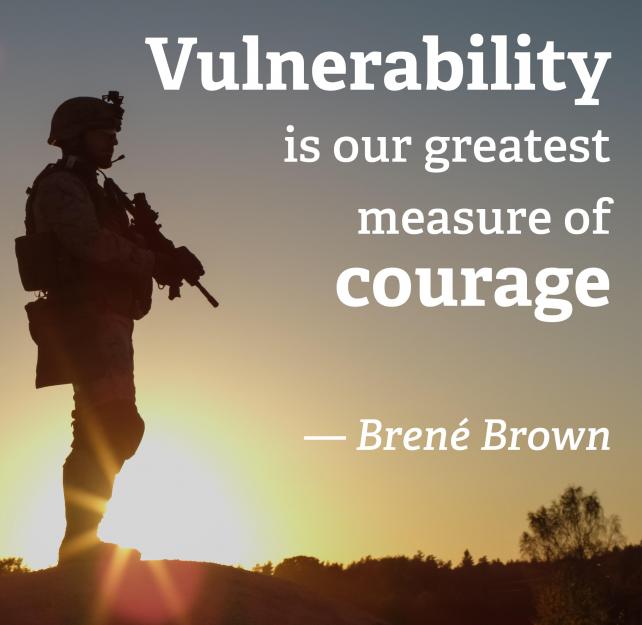
One lesson I have learned since I started meditating is the connection between courage and vulnerability. Yes, vulnerability. I know, it sounds like the antithesis of everything related to being a SEAL, but I have come to understand that while vulnerability and courage aren’t necessarily the same thing, it takes courage to show vulnerability and, in turn, as you show more vulnerability, you actually become more courageous.
In the past, Russ and I would celebrate across oceans and time zones, sometimes a half hour off. Yes, really. Afghanistan is nine-and-a-half hours ahead of the east coast, 10-and-a-half from Texas. It was wild trying to sync up schedules but I would never turn down a 3AM-my-time video chat. I am grateful we don’t have to contend with that any longer. But Russ being home hasn’t made the transition from 2021 to 2022 any easier.
My early year look-backs were filled with profound sadness, and a sense of loss so overwhelming that I felt smothered by it. Thankfully, that is no longer the case. It’s been long enough that I’ve all but forgotten who I was before my brain injury; that person no longer exists. The very fact that I’m no longer bothered by this is a sure sign that my soul is growing.
I have a streaming service subscription. Unlike the popular streaming services so many of us are familiar with, the rules for this service are different: The terms of agreement are lifelong, and there is no opportunity to cancel. And this streaming service allows new content based entirely on my previous viewing habits.
The news about the United States withdrawing military forces from Afghanistan is hard to stomach. I am angry. I am sad. And I am worried. Worried about the people left there under the Taliban regime. Worried about the possible backlash to the Muslim community here in the United States. Worried about the troops still there working with humanitarian aid. Worried about the veterans and their families who sacrificed so much. Decades of work, deployments, injuries, and death for seemingly nothing.
As my 60th birthday approaches, the internal emotions are ramping up. Over the years, I’ve heard the saying that health is one of those things you never fully appreciate until it’s gone. While this is definitely true, most often it’s used in reference to physical health. But what happens when your mental health is compromised?
Sir, I do not request an apology, explanation, or acknowledgment of my letter. As a lecturer at Texas A&M who advises future leaders, I wrote this to say that I mattered then, and I matter now. I did not deserve to be relegated to a second-class soldier.
In the military, risk and danger are part of the obstacles to overcome; many veterans, however, see the world as an unsafe place that they need to protect against once they leave the military.
These are difficult times. Life is challenging enough for the fully-abled, but add a traumatic brain injury to the mix, and things can get downright overwhelming.
Every year since my 2010 traumatic brain injury, I’ve taken the time to reflect back on changes that have come to pass during the prior year. This past year was no different, although what my reflection showed was not what some may call progress. Progress is not always measured with tangible facts.
In times of great distress, I sometimes forget that I am not alone in my struggles. I thought it might be helpful to hear from others in our community. I checked in with some caregivers and survivors, and here is what they had to say.
COVID-19 has ended those routines that made getting through the day so much easier for someone with brain injury. The effects have been challenging on some days and completely devastating on others.
The pandemic has changed the daily lives of everyone. How we work, how we shop, and how we interact with each other are all shifting. Comparing life as it is now with how it used to be can lead to sadness or despair and what's called "ambiguous loss."