Use the filters to browse the information we have available or to narrow your search results for a specific audience (e.g. caregivers, military, children), a preferred type of content (e.g. videos, blogs, articles), or by topics of interest (e.g. family concerns, legal issues, symptoms).
Realizing you are not the only one with a brain injury gives you the abiity to get insight into the injury-related challenges, get help, make a plan, and carry on from there. Navy veteran Derek McGinnis shares his experience.
Cognitive rest after a brain injury for kids means a break from sports and intense school work. It also means no tweeting, texting, internet, cell phone ...
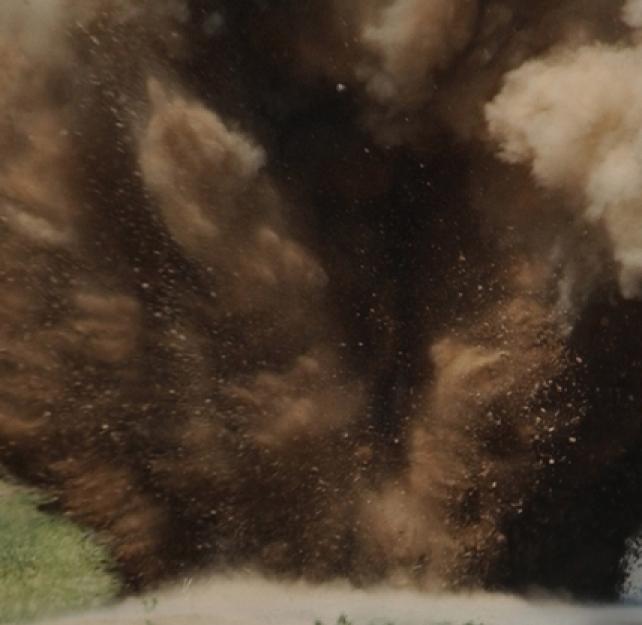
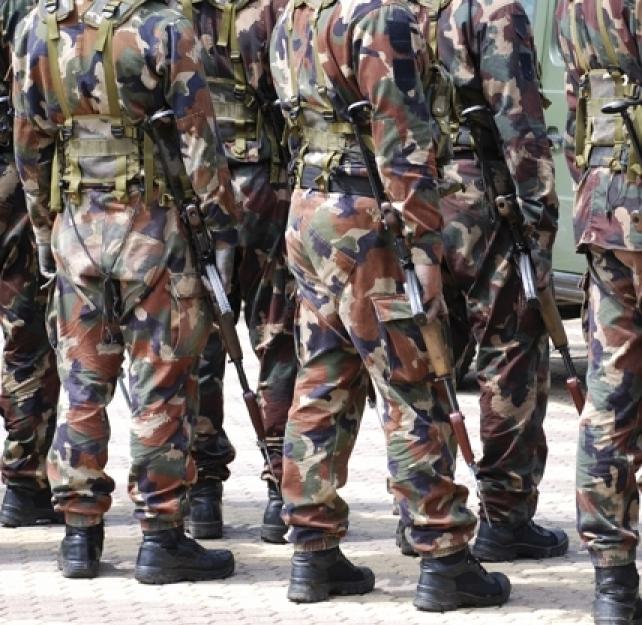
Special Forces are being studied during breacher training in which they experience real explosive events in hopes of answering more questions about the effects of blasts on the brain.
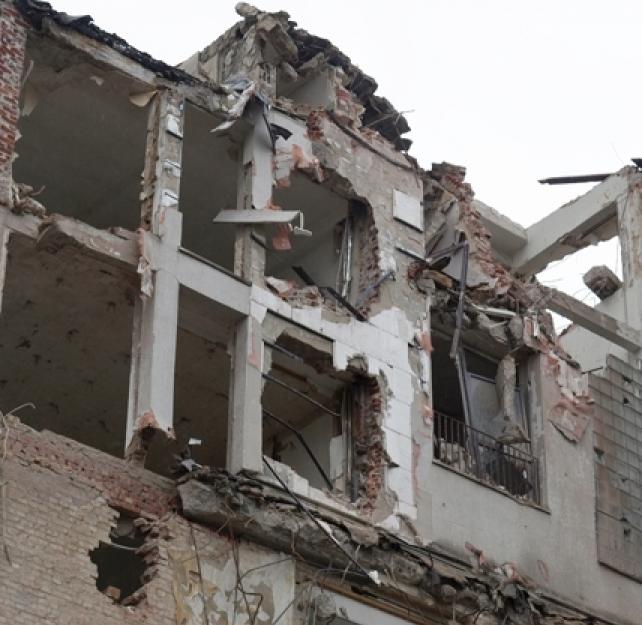
An IED explosion can not only cause a blast injury from the shock waves themselves, but can also cause concussion or a penetrating injury at the same time.
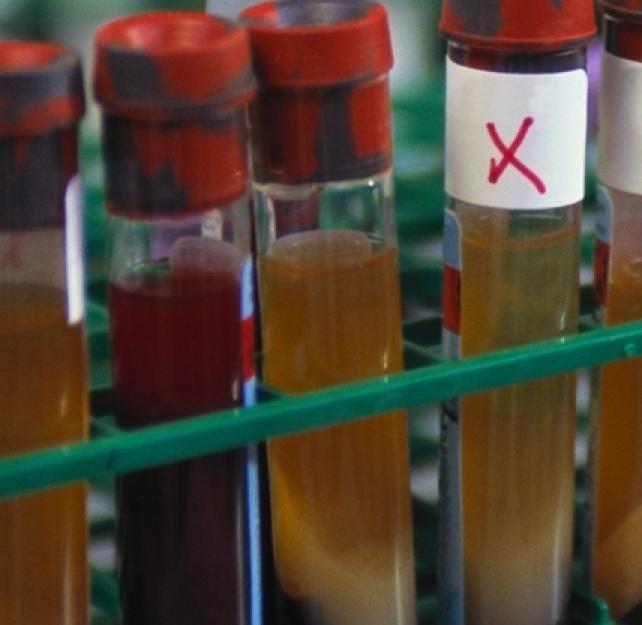
Research on the use of blood biomarkers for diagnosing brain injuries — in theater and in the civilian world — is getting closer. The hope is to be able to use it as a standard diagnostic tool.
Diagosing a mild TBI often has to rely on subjective evaluations. A standard, objective screening tool like a blood biomarker would help with diagnosis and with tracking recovery.
The changes in weaponry during the recent conflicts compared with weaponry in previous wars have made TBI, especially mTBI, a common and complex injury among returning service members.
We know that blast waves alone can damage the human brain. But more research is needed to learn how exactly blast waves alone damage the brain's cells, blood vessels, and structure as a whole.
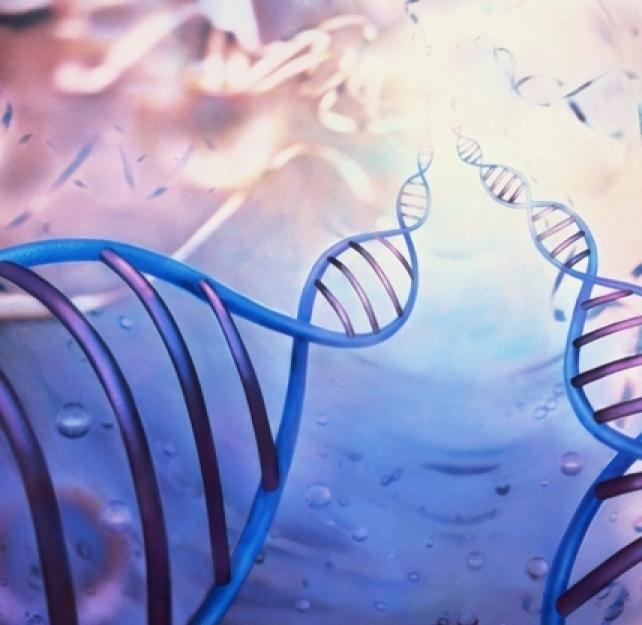
This national program will match recruited veterans' genomic information with their electronic medical records to help better individualize treament for TBI and other conditions.
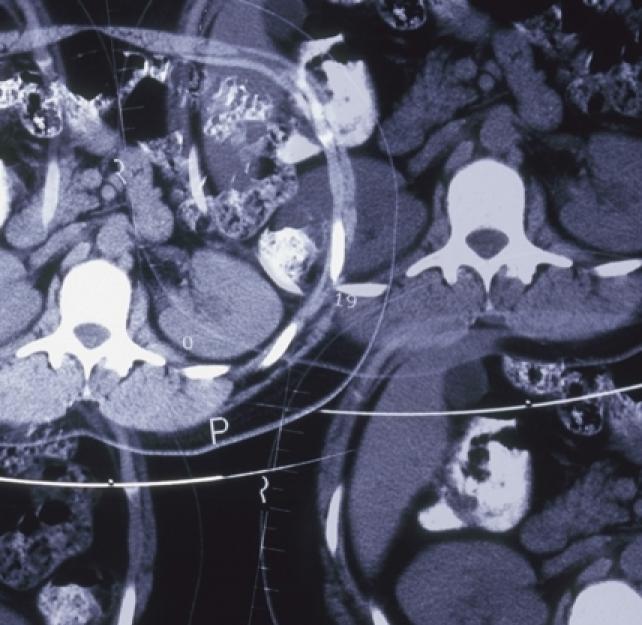
Diffusion Tensor Imaging shows the pathway water molecules follow in the brain. DTI can help experts better visualize the areas of injury in the brain.
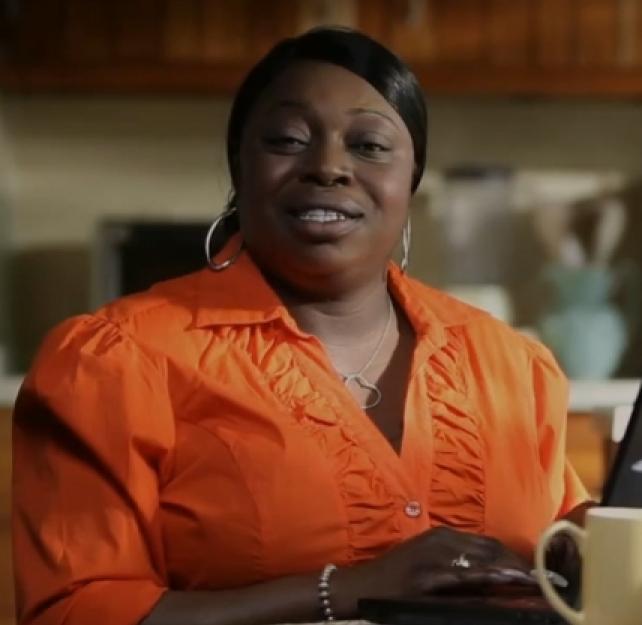
Struggling with a brain injury can be frustrating and isolating. But you are not alone. Former Sgt. Adam Anicich and Staff Sgt. Reanita Gray (Ret) encourage others to find resources.
COL Hack arrived for his first assignment in theater in the Middle East the day before 9.11. His work multiplied, but his commitment to helping wounded soldiers remained his main interest.
Despite grievous wounds, including brain injury, survival rates are at an all-time high because of improved body protection and medical care from theater to hospital.
Understanding the biomechanics of the neck from injury is crucial for diagnosing and treating TBI. Learn why getting hit from the side is more damaging than getting hit straight on.
Increased awareness of the short- and long-term issues of TBI has helped improve programs for comprehensive TBI screenings and evaluations. But many treatments are still in the research phase.
When looking at the full-picture treatment for people with TBI, clinicians need to ask leading questions about issues including alcohol and caffeine use, intimacy or sexual issues, and suicide risk.
The standard medical guidelines published in 1995 have already significantly improved outcome, but more knowledge and change in doctors and the public is necessary to continue to improve outcome in people with TBI.
Much good basic science research has and continues to get done, but mostly in silos. Standardizing what is known in clinical practice would be the smart way to optimize care for people with TBI.
Trauma centers that comply with evidence-based medicine for TBI — or any medical condition, for that matter — should be certified and given incentives.
In 1995, the first evidence-based guidelines endorsed by the American Association of Neurological Surgeons were published. But implementing them for equal care for all proved to be more difficult.