Use the filters to browse the information we have available or to narrow your search results for a specific audience (e.g. caregivers, military, children), a preferred type of content (e.g. videos, blogs, articles), or by topics of interest (e.g. family concerns, legal issues, symptoms).
The greenbrier plant is not what it appears to be. It’s innocent looking while invasive. It comes raging back after you cut it down, and it can choke what’s underneath. If this sounds a little bit like traumatic brain injury, it is.
When challenging things happen, emotional health lets you bounce back and move on. Most of us take emotional and mental health for granted and only focus on it when problems occur. But like physical health, it requires attention to build and maintain.
DVBIC's TBI Recovery Support Program ensures that service members and their family is supported and connected to appropriate resources as they progress through the entire continuum of care to recovery.
Coping techniques for caregivers and families who are trying to manage stress, anxiety or sadness, while caring for an injured service member/veteran. Experts provide advice on relaxation and self-care.
Everyone in the family is affected by a brain injury. Your role within the family has changed and the role of your family member with TBI may also have changed. Here are some tips and strategies to assist families during this time of transition.
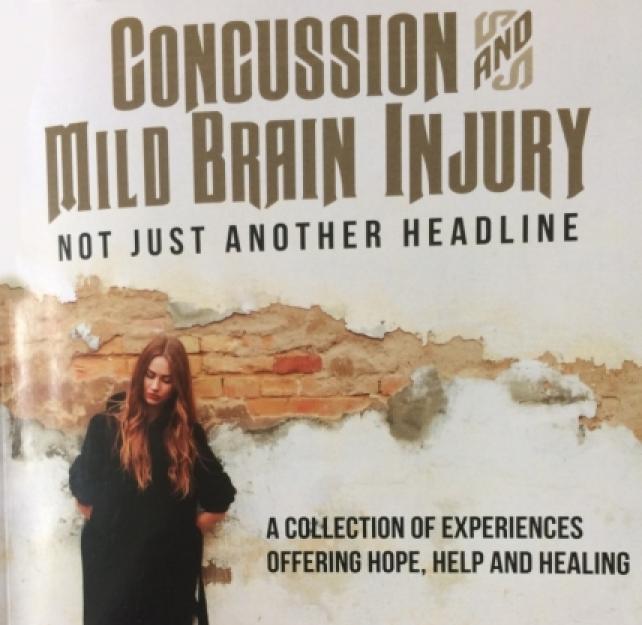
This book presents an enlightening array of personal accounts that illustrate the various ways that concussions have impacted people, families, and communities. I found all of them enlightening but, due to space, can only reveal a few quotes that stood out to me...
I have learned some valuable lessons about watching a dear and loving friend experience a traumatic event and who ultimately became a caregiver without warning. Here are five lessons that I learned while trying to help.
As caregivers, we have to tread very delicately in interpreting our loved one’s behavior. When our default assumption is to blame brain injury, we run the risk of creating self-doubt in the survivor.
One of the distinct markers in the aftermath of my son’s brain injury is the presence of an emotional space I’ve never before experienced called ambiguous grief. For both survivors and family members, it can be challenging to address the path of this type of grief.
In the blink of an eye for our sons, and with an unwelcomed knock on our door for my husband and me, our family changed in a way that we could not even begin to comprehend.
I never wish to glamorize the process of returning to work, nor unfairly claim credit for it. TC was at the helm for most of this journey. With that said, there are a few pieces of wisdom I’ve gathered from the experience...
In the past ten years, I found myself laughing when I thought of Hugh’s pre-injury days—those glorious days when I thought I was so busy and hectic. Once the dreaded accident phone call came and I rushed to the emergency room, I discovered what busy was all about.
Taylor is still fragile in his recovery, and yet stronger than many can imagine. In that analysis, I also see myself and many others who are navigating the tightrope of brain injury.
Brain injury has been a type of boot camp for our family, a crash course in thickening our skins and tackling struggle head-on. And although none of us signed up for it willingly, I think we can all agree it’s been strenuous and valuable preparation for whatever challenges lie ahead.
Navigating through neurostorms is just one of the many challenges we have had to face. Hopefully, by sharing our journey, we can help educate and empower other brain injury survivors and their caregivers.
As weeks and then months went by, the monitors were gradually removed and it became more important for family and friends to communicate with nursing staff regarding Josh's neurostorms.
When a loved one sustains a serious head injury, there is certainly pain and hardship and the list of hardships is varied and long. TBI’s deliver potent cocktails of mental, emotional, physical, and psychological trauma not only to the injured person but also to their families.
Some caregivers I know feel as if they are giving to the point of depletion. While some who have sustained a TBI and receive care may feel powerless and resentful with no control. This imbalance on both ends can create friction and despair.
Immediately following a brain injury, outsiders often reiterate to survivors how grateful they are for that person’s survival and how accepting they plan to b. But when put to the test in everyday life, we quickly discover it’s tough to respond with unwavering compassion.
Whether you choose to share your brain injury story publicly or document it privately for yourself, it can be surprisingly therapeutic to seize the narrative of your life. If I had kept my struggle inside, hidden from the world, I don’t know how I ever would have healed and moved on.
As caregivers, the people we care for depend on us to be consistent and reasonable, stable and strong. Setting our intentions may be one way of realigning ourselves with our values and goals, so we can continue to give care in a positive way. With that in mind, I’ll share with you what my intentions are for 2017.