Use the filters to browse the information we have available or to narrow your search results for a specific audience (e.g. caregivers, military, children), a preferred type of content (e.g. videos, blogs, articles), or by topics of interest (e.g. family concerns, legal issues, symptoms).
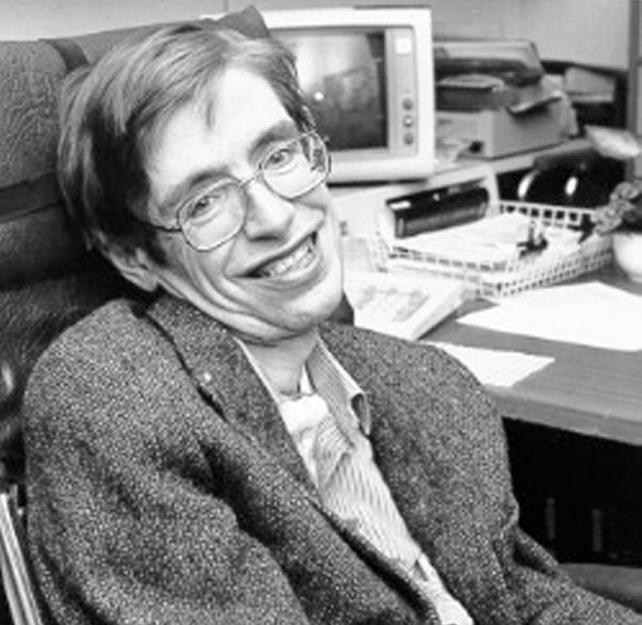
Stephen Hawking, a world-renowned scientist who recently passed away, had a brilliant mind that was trapped inside a paralyzed body, and I could not stop thinking about how the opposite is often the case with traumatic brain injury.
We've all got it, that inner voice that constantly narrates our lives. It is simply part of being human. But as many of us know, brain injury can complicate things. Gone can be the ability to know intuitively when and how to handle things. Without warning, our inner narrator takes on a new power.
Sometimes unexpected and unrelated medical conditions can exacerbate my traumatic brain injury symptoms. I have known this for years, but have just learned a new lesson about how true this can be.
There are times when it feels like things cannot get any more surreal, and then they do. Such is the unexpected life that unfolds for so many of us after brain injury.
In one fell swoop, about as fell as swoops can get, all those hopes and dreams were off the table. Like most people who have suffered an accident like this, I eventually became depressed. I didn’t want to live half a life.
An accident happens. A brain injury rocks your world, and not in a good way. Fear rises like a tide, and soon enough, a tidal wave of anxiety. Janna offers a simple yoga practice to calm the "what ifs."
None of these challenges is blatant to the naked eye, but spend a bit of time with me, and you’ll learn soon enough that I’m not as normal as I look. Such is the nature of being invisibly disabled.
For years, I measured my recovery by external gains. I looked for tasks that I could do better and longer. This was easily quantifiable data. I recently took some time to take stock of my growth over this past year. And what I saw surprised me. In fact, it was a completely unexpected revelation.
I can’t believe that I’m coming up on seven years out. As time continues to pass, my perspectives change, and my insight deepens. Sometimes I forget that those close to me still hurt. In the reflection of their inner pain, I see my injury for what it really is.
There are no guarantees, but there are smart choices and strategies that can optimize recovery after brain injury The following is a list I compiled as my answer to the many people in the beginning stages of brain injury who have asked about my success over the years. I hope it helps.
Like those of us who have been at this business of life after brain injury for a long time, I am aware of the stages that we go through. I know that I am experiencing "recurring grief." During these times it can be very hard to “find the good and praise it..."
Navigating the medical waters isn’t easy for anyone, but it can be particularly complicated and overwhelming for those of us who live with a brain injury. David Grant offers advice from his own experience.
So how exactly did I get from there to here? From complete ruination of the human will to thrive to living a life worthwhile? The answer is complicated, and our path was a winding one, but in retrospect, a few things have proven to be game-changers.
There is a nice thing about learning to live after a brain injury. Once you realize you can live life again, most everything else seems like a cakewalk.
Recovery from a TBI involves personal commitment and a tremendous amount of time, along with contributions from family and friends. The most important part in most of these cases begins with caregivers – whom I consider angels.
A couple of weeks with a respite from the worst of brain injury symptoms does not mean that I am abruptly recovering. It simply means that I’ve been able to string together a decent number of tolerable days.
I still have bad days. By looking at me, you’d never know that it was a “bad TBI day.” Today happens to be one of those days. Let me tell you a bit more about a bad TBI day and why a bad TBI day is different than it was a few years ago.
I am one person who experienced a rather extreme trauma. I will always look at my life as “before and after.” I deem that to be a healthy mindset, one shared by most anyone who has lived through a life-altering event. But I’m tired of a mindset that separates me from the rest of humanity.
After a brain injury more, of many things, is not better. It is not better to see more things around you; it is not better to be given more choices; it is not better to have more things to do...
I can see progress. I am not who I was before my accident. I am also not who I was in early recovery. In a few years, I will not be who I am today, as the healing will continue.