Use the filters to browse the information we have available or to narrow your search results for a specific audience (e.g. caregivers, military, children), a preferred type of content (e.g. videos, blogs, articles), or by topics of interest (e.g. family concerns, legal issues, symptoms).
My early year look-backs were filled with profound sadness, and a sense of loss so overwhelming that I felt smothered by it. Thankfully, that is no longer the case. It’s been long enough that I’ve all but forgotten who I was before my brain injury; that person no longer exists. The very fact that I’m no longer bothered by this is a sure sign that my soul is growing.
How can we get people to talk more openly about PTSD and related symptoms of TBI? Why is there still a stigma? What can we do? Dr. Klassen answers your questions about mental health treatment.
The biggest and most nefarious misconception about TBI is that it doesn’t get better. That is simply not true. The vast majority of people with TBI do well over time and can be effectively treated to live functional and fulfilling lives. However, that does not counter the risk of behavioral, medical, and cognitive problems in the long term. With more research and experience, experts in the field are focusing on learning more to mitigate risk and improve the outcome of those with TBI in both the short and long term.
Like so many other brain injury survivors, I appear to be okay. And while many know of my past history, many others think I am well beyond my brain injury challenges and struggles. Why wouldn’t they?
A traumatic brain injury or repeated brain traumas can sometimes lead to chronic traumatic encephalopathy, Parkinson’s, multiple sclerosis, astrogliosis, or other neurogenerative conditions. Since researchers are still learning about the progression of these diseases, which can stem from repeated TBIs, providers are currently trying to plan and address how to change their model of care to best help veterans and their families in the long term.
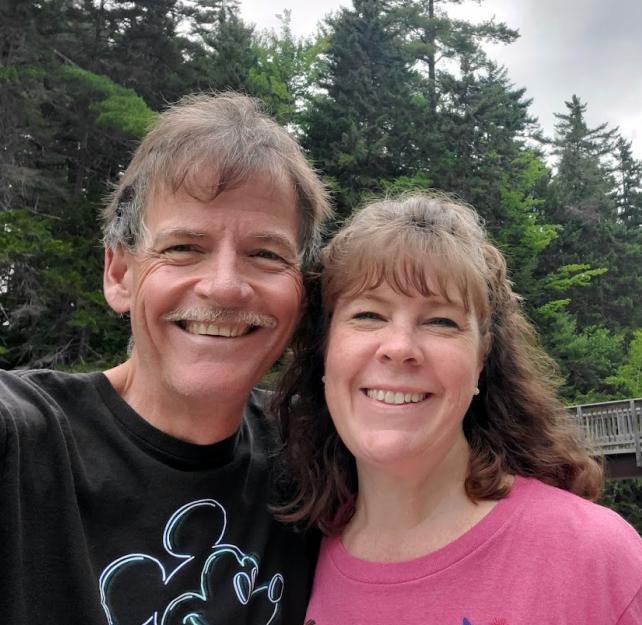
John, an Air force veteran, who sustained a TBI has benefitted greatly from almost all of the programs offered through Wounded Warrior Project. With help from community support specialists, life skills coaches, and other alternative treatments, John—and his wife—have turned some of their challenges into advantages and are now giving back to their community.
The core services of Wounded Warrior Project’s Independence Program include case management, resource management, care coordination, home health aide, alternative therapies, and more, with the primary goal of helping service members and their families rebuild a normal routine, plan for and succeed in the long-term, independently. But the program is always there as a safety net if new challenges arise.
Last month, I marked a significant milestone in my life as I celebrated 30 years of sobriety. And, in what amounts to a “whoever would have thought it,” moment, being a sober person in recovery has made my brain injury journey easier. In fact, it literally saved my life.
Dr. Balbir shares how the Wounded Warrior Project's Independence Program supports and provides additional wrap-around services for veterans after they transition home.
As my 60th birthday approaches, the internal emotions are ramping up. Over the years, I’ve heard the saying that health is one of those things you never fully appreciate until it’s gone. While this is definitely true, most often it’s used in reference to physical health. But what happens when your mental health is compromised?
The introduction of COVID-19 to the human population around December 2019 has resulted in a pandemic that continues to affect the entire world. While the research to date has focused on potential neurological impairment to COVID-19 patients, little attention has been placed on the effects of the fallout caused by COVID-19 on individuals who are living with brain injury. Specifically, the pandemic has resulted in job loss, social isolation, interruptions to routine, and a need to adjust previously successful compensatory strategies, all highlighting some of these unique challenges. The general population has experienced the same issues. However, individuals with brain injury were already experiencing these prior to the pandemic.
Would Connor Martin's brother, veteran and athlete Kevin Ash, have lived his life differently if he'd know more about traumatic brain injury? Connor doesn't think so. But Connor knows the dangers now and he tries to make things safer when he's active.
Veteran Kevin Ash suffered blast injuries during his deployment, but it was a rugby tackle that put him in a coma. His brother Connor Martin said that when Kevin work up he had lost both hearing and sight but the family accepted these changes as the "new normal."
Connor Martin's brother, veteran Kevin Ash, fell into a coma after receiving a traumatic brain injury. After he woke up, though, his family discovered he had lost his sight and hearing which cost him a lot of independence. But his family fought to keep him active and engaged with life.
Kevin Ash, a veteran, felt strongly about helping others. His brother Connor Martin knows Kevin would be proud to continuing helping others even after his death by raising awareness of TBI, CTE, and brain donation.
Connor Martin's brother, veteran and athlete Kevin Ash, returned from his deployments changed. He sought help and his mother fought for him, but they never found what he needed.
When he returned from his first deployment Connor Martin's brother Kevin Ash wasn't the same. Even though Connor was young he recognized Kevin's increasing anger and isolation.
Connor Martin talks about donating his brother Kevin Ash's brain for study. Kevin was a veteran and an athlete who began exhibiting personality changes and his family wanted to understand what had happened, even if it was after his death.
Transitioning from military to civilian life can be jarring and can sometimes lead to suicide, but veteran Morgan Luttrell says to stick it out. Take the reins, find the help you need, and commit to it.
Veteran Morgan Luttrell knows the kind of support and camaraderie the service provides and what it means to lose that community when you return to civilian life.
Veteran naval officer Morgan Luttrell has always taken his responsibilities seriously. Responsibility for the men and women under his command. Responsibility to his country. Responsibility to his family. When he felt his brain injury might negatively impact that he took action.
Veteran Jonathan Warren got five CT scans and five MRIs over the course of his military career and each time they found nothing to explain his changed behavior. Then he got an EEG and everything changed.