Use the filters to browse the information we have available or to narrow your search results for a specific audience (e.g. caregivers, military, children), a preferred type of content (e.g. videos, blogs, articles), or by topics of interest (e.g. family concerns, legal issues, symptoms).
When a loved one sustains a serious head injury, there is certainly pain and hardship and the list of hardships is varied and long. TBI’s deliver potent cocktails of mental, emotional, physical, and psychological trauma not only to the injured person but also to their families.
Some caregivers I know feel as if they are giving to the point of depletion. While some who have sustained a TBI and receive care may feel powerless and resentful with no control. This imbalance on both ends can create friction and despair.
Immediately following a brain injury, outsiders often reiterate to survivors how grateful they are for that person’s survival and how accepting they plan to b. But when put to the test in everyday life, we quickly discover it’s tough to respond with unwavering compassion.
Whether you choose to share your brain injury story publicly or document it privately for yourself, it can be surprisingly therapeutic to seize the narrative of your life. If I had kept my struggle inside, hidden from the world, I don’t know how I ever would have healed and moved on.
As caregivers, the people we care for depend on us to be consistent and reasonable, stable and strong. Setting our intentions may be one way of realigning ourselves with our values and goals, so we can continue to give care in a positive way. With that in mind, I’ll share with you what my intentions are for 2017.
We often hear how differently survivors emerge from their experience, but one of the most unexpected outcomes in our post-TBI life is how vastly I have changed too. Why is it that caregivers, like survivors, also feel like new people?
As a survivor, I distinctly define the before and after. Everything was profoundly different in the before, and now we exist in the after. I can almost see the marker in my mind. This is what the after looked like a few nights ago...
Caregivers play a vital role in helping veterans recover from TBI and post-traumatic stress. In this article, four military caregivers describe the first major challenge they faced as they began taking on the role of caregiver.
Have you heard the term “new normal” lately? It’s been bouncing around for a few years and is used to describe the adjustments veterans and families go through when they return home from war. Have you ever wondered what it looks like?
When I resigned my teaching position in 2010 to stay home and care for Sean, it was devastating. ER trips were becoming part of our routine, as was calling at the last minute and requesting a sub so I could handle an emergency with Sean. As I sat listening to the ticking of the clock on the wall I was hit with my new reality: I could not continue down both these paths, something had to give.
Four years later, as some of the dismal fog lifts, I can see that out of fear of letting anyone down, there have been many times that I’d proudly adorned the “I’m fine” mask. The truth is, there is no way to be the same Mom, wife, daughter, sister, aunt, friend or anything after every fiber of your being has suffered radical rewiring.
I know this is a hard truth, one that many doctors and insurance companies will scoff at, one that many people might think is unrealistic, but caring for the caregiver in tandem with the person who has a brain injury is vitally important. TBI caregivers need to be educated about brain injury and what it entails.
Make time for yourself, so you can make time for other people and other things. Put yourself last, and you will begin to fail miserably at the roles and responsibilities you aim to fulfill.
Here’s a question well worth exploring for caregivers: Am I reacting to daily events as if in crisis mode or am I responding? After the chaos of the first days and weeks of TBI, there’s much to be done; and a lot can be at stake if things are not properly handled as time goes by.
It can take years to accept a loved one’s afterlife, and it may take a decade. I’m not talking about life after death; I’m talking about life after a family member’s brain injury.
The interesting thing about brain injury is being left with a before and after—lifetimes separated by that one moment that changed everything. Last week Nicole and her family set out on an old, but once again new, adventure...
“This isn’t a sprint, it’s a marathon.” We needed to slow down because this thing was going to be with us for a while. The quote reminded our family to conserve our strength, energy, and abilities to stay the course...
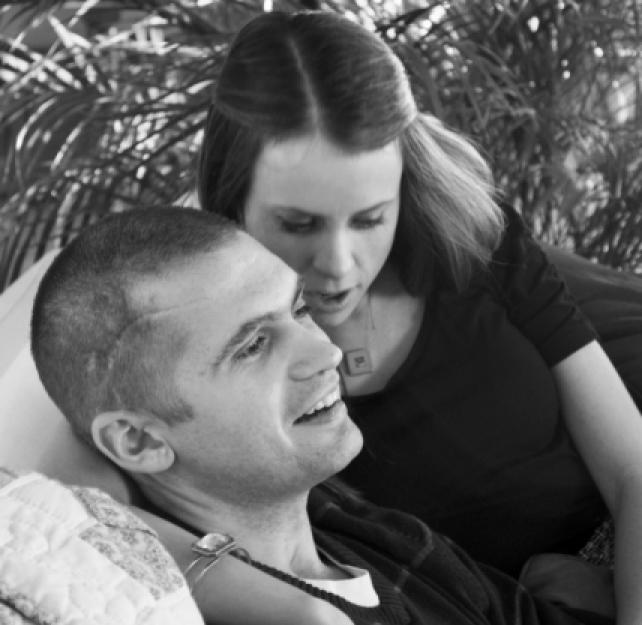
What just happened? Can I handle this? And the one question many TBI spouses ask themselves: Will my husband ever be the same? Will I ever be the same?
As TC and I prepare for the upcoming birth of our second child, my head is filled with all the anticipation and questions you’d expect from any new parent. But it’s also filled with the unique worries that can only accompany the experience of expanding your family in the aftermath of brain injury.
Two decades ago cars sat at this same intersection, waiting at this same light, watching helicopters land on that same rooftop. One Tuesday in July my dad was the person in the chopper...
When I think about the role post-traumatic stress has played in our post-TBI lives, it hasn’t been present in the way many might assume. As awful and shocking as the assault was, we know that it is illogical to blame a neighborhood or even a city...