Use the filters to browse the information we have available or to narrow your search results for a specific audience (e.g. caregivers, military, children), a preferred type of content (e.g. videos, blogs, articles), or by topics of interest (e.g. family concerns, legal issues, symptoms).
It’s easy to confuse post-traumatic stress (PTS) and post-traumatic stress disorder (PTSD). In addition to sharing similar names, there’s considerable overlap in symptoms between the two conditions.
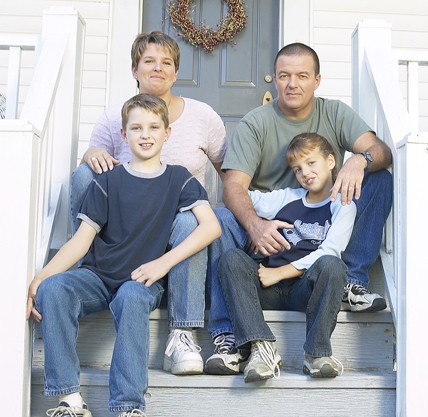
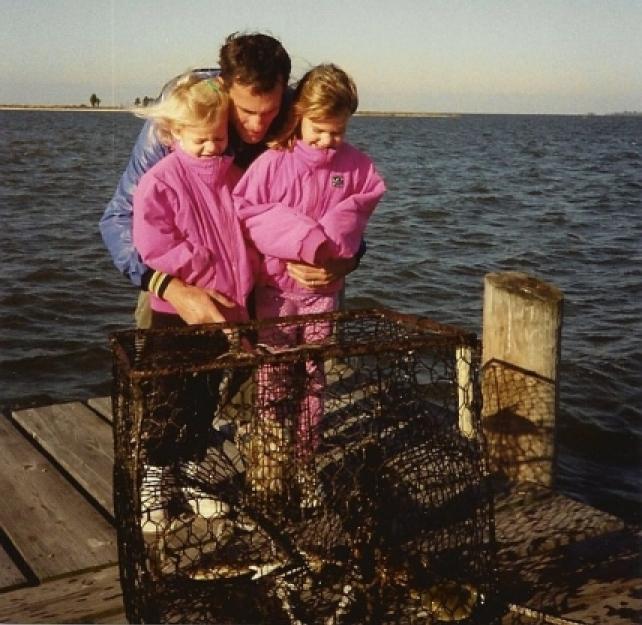
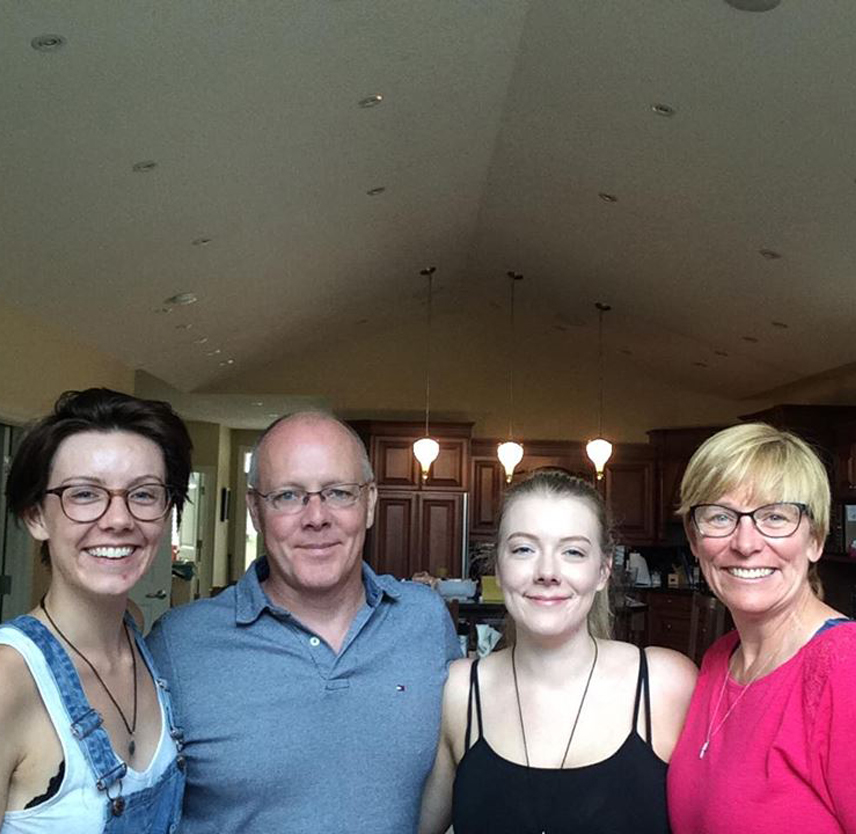
Hugh taught the girls how to walk, to ride a bike, to swim and surf. When a car struck him just days after their fourteenth birthday, he slept in a coma after two emergency brain surgeries in three days. One word woke him up: Daddy.
Questions about how to manage emotional reactions in people with brain injury, how to address caregiver concerns, and other issues are answered by Dr. Dawn Neumann.
Few people are more qualified to offer caregivers advice and encouragement than others who have walked in their shoes. Hear advice and thoughts from TBI caregivers.
I found something special—a letter I’d hand written to myself marked: To be opened six months later. I don’t have any memory of writing the letter, but when I read it all these years later, I was pretty impressed with what I had to say. Especially since I remember that when my rehab staff recommended journaling after my TBI, my entries were really depressing...
The National Military Family Association understands deeply that “military families serve, too,” alongside their service member or veteran parent or spouse.
My early year look-backs were filled with profound sadness, and a sense of loss so overwhelming that I felt smothered by it. Thankfully, that is no longer the case. It’s been long enough that I’ve all but forgotten who I was before my brain injury; that person no longer exists. The very fact that I’m no longer bothered by this is a sure sign that my soul is growing.
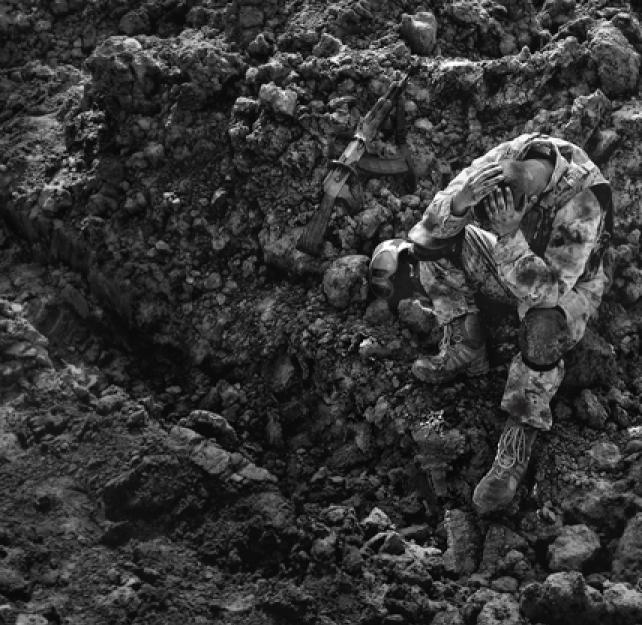
For many service members and veterans, traumatic brain injury and PTSD often go hand in hand, with some of the symptoms of these conditions being co-morbid. By using evidence-based treatments, providers work with their patients with the goal of getting them as symptomless as possible.
Connor Martin's bother, veteran and athlete Kevin Ash, fell into a coma after a series of brain injuries. His mother stepped in and became his advocate. It wasn't an easy role but it wasn't one she would ever give up.
Veteran Jonathan Warren felt able to cope with the physical symptoms of his brain injury but he thought the emotional issues were caused by his PTSD. He soon realized that a brain injury can lead to those intangible issues as well.
My case manager’s brain was pondering the logistics and the potential extent of Christine’s injuries. But my brain as a Mother was focused intently on keeping myself together so that I could be effective.