Use the filters to browse the information we have available or to narrow your search results for a specific audience (e.g. caregivers, military, children), a preferred type of content (e.g. videos, blogs, articles), or by topics of interest (e.g. family concerns, legal issues, symptoms).
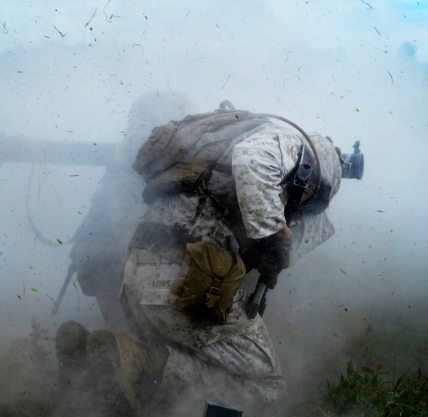
Mild blast traumatic brain injury (bTBI) accounts for the majority of brain injury service members and veterans but the mechanisms of primary blast brain injury continue to be disputed. Addressed in this review are blast wave transmission through the skull, direct cranial transmission, skull flexure dynamics, thoracic surge, acceleration, and cavitation.
Study establishes the first comprehensive profile of the chronic behavioral and neuropathological consequences of single and repetitive mild traumatic brain injury over the lifespan of an animal.
Researchers published, what they say is the first case of a living person identified with the degenerative brain disease, chronic traumatic encephalopathy, or CTE.
A Harvard Medical School study published in Nature Communications shows a molecular relationship between TBI and CTE but also a possible treatment mechanism — just not one that can be used to treat humans quite yet.
Understanding the puzzling and complex nature of concussion and how to treat it will take a whole new way of approaching the problem, according to new research led by Portland State University.
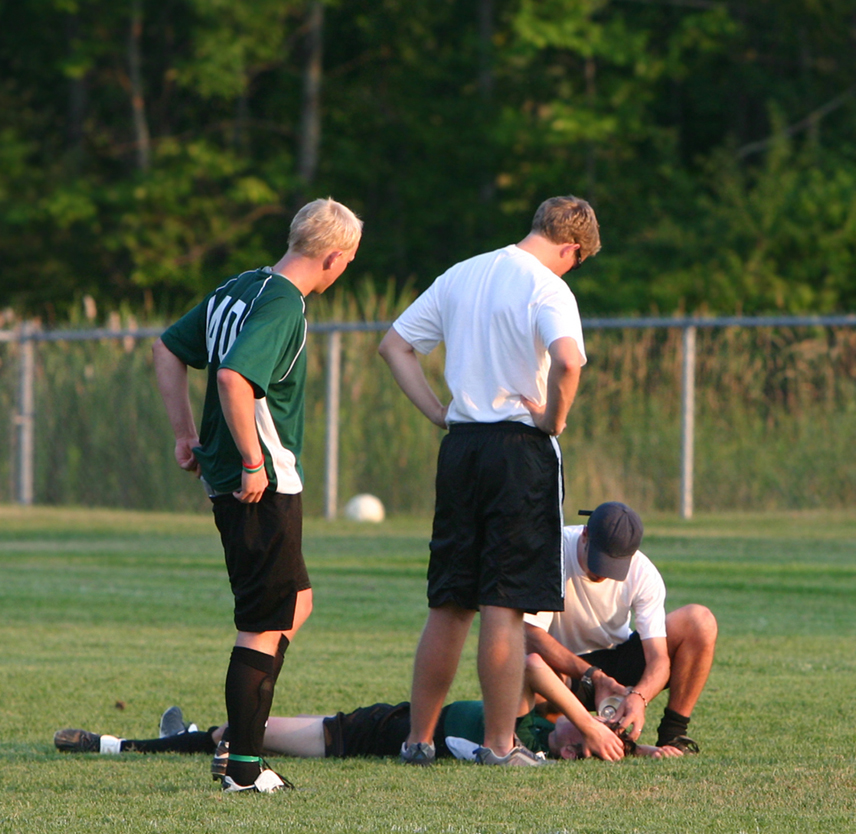
A new University of Michigan study confirms what many hospital emergency rooms nationwide are seeing: Teens playing contact sports suffer from concussions.
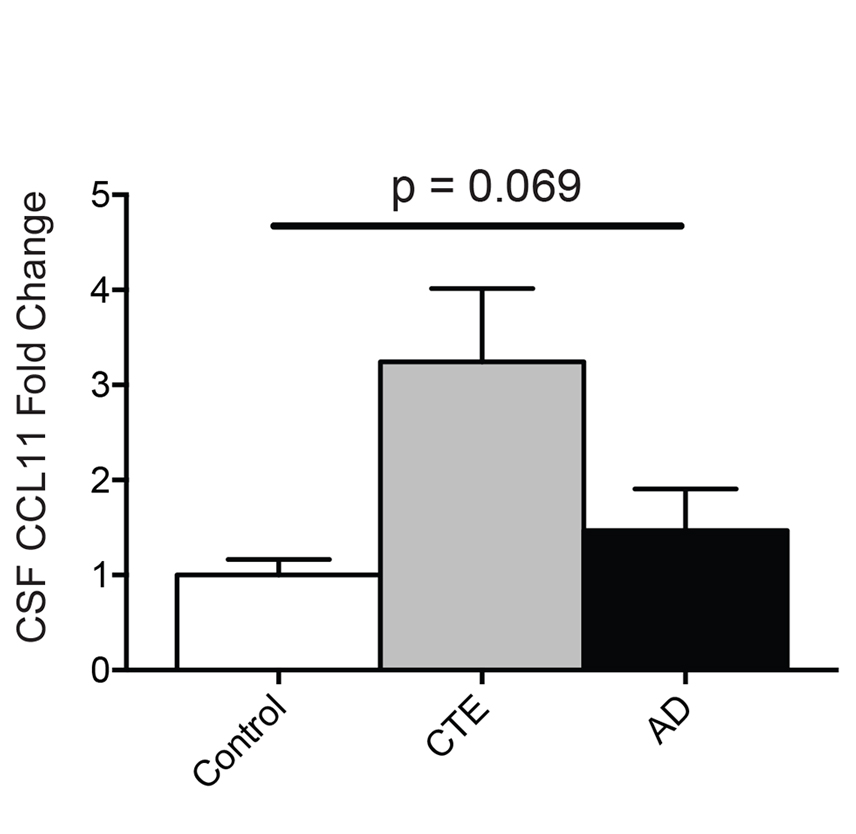
A new biomarker (CCL11) for chronic traumatic encephalopathy (CTE) has been discovered that may allow the disease to be diagnosed during life for the first time.
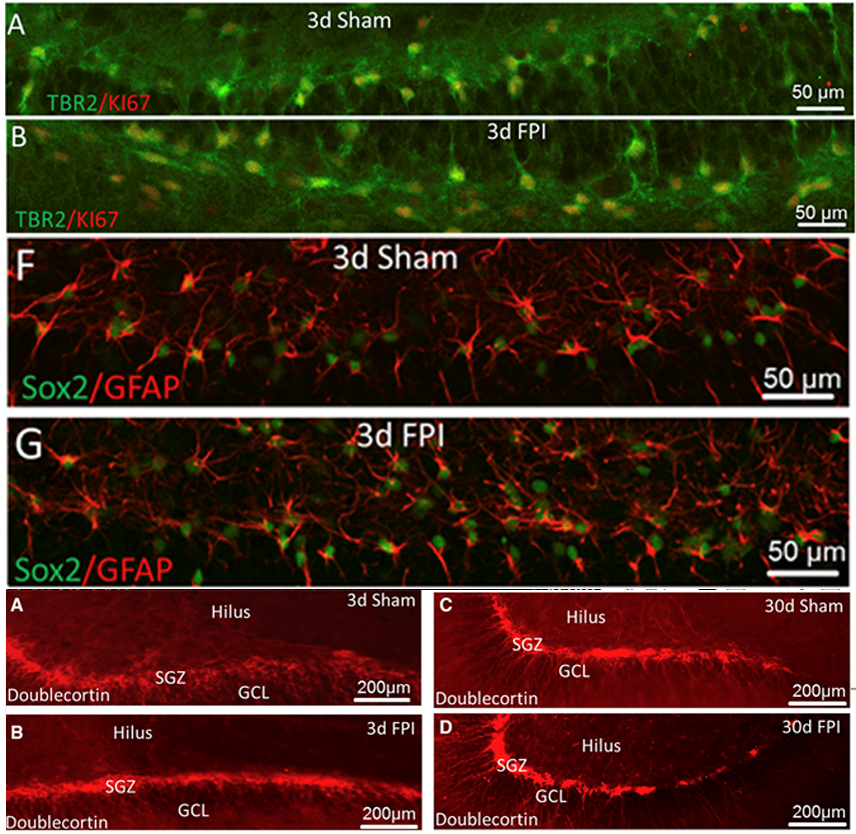
New research challenges the prevailing scientific assumption that, during recovery from head trauma, excessive neurogenesis (birth of new brain cells) is advantageous.
Study compares abnormal menstrual patterns in adolescents and young women with a sport-related concussion and those with non-head sport-related orthopedic injuries.
Study evaluates the use of phospho-tau levels, total-tau levels, and the phospho tau–total tau ratio as diagnostic and prognostic biomarkers in patients with traumatic brain injury.
A new study indicates that children who develop brain injury due to non-fatal drowning often experience severe motor deficits but maintain relatively intact perceptual and cognitive capabilities.
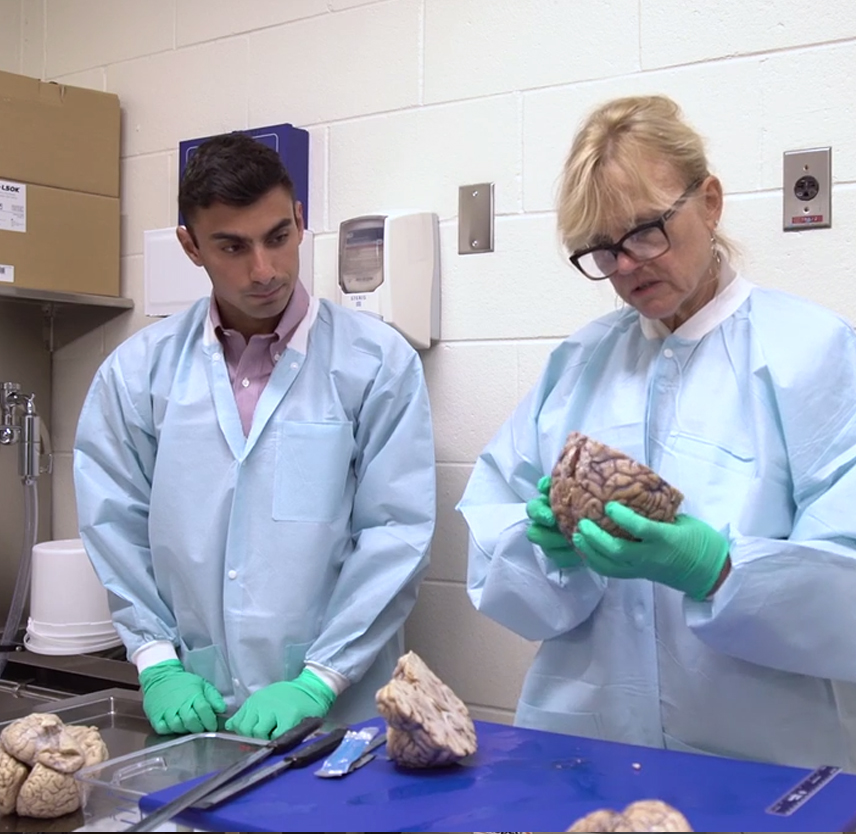
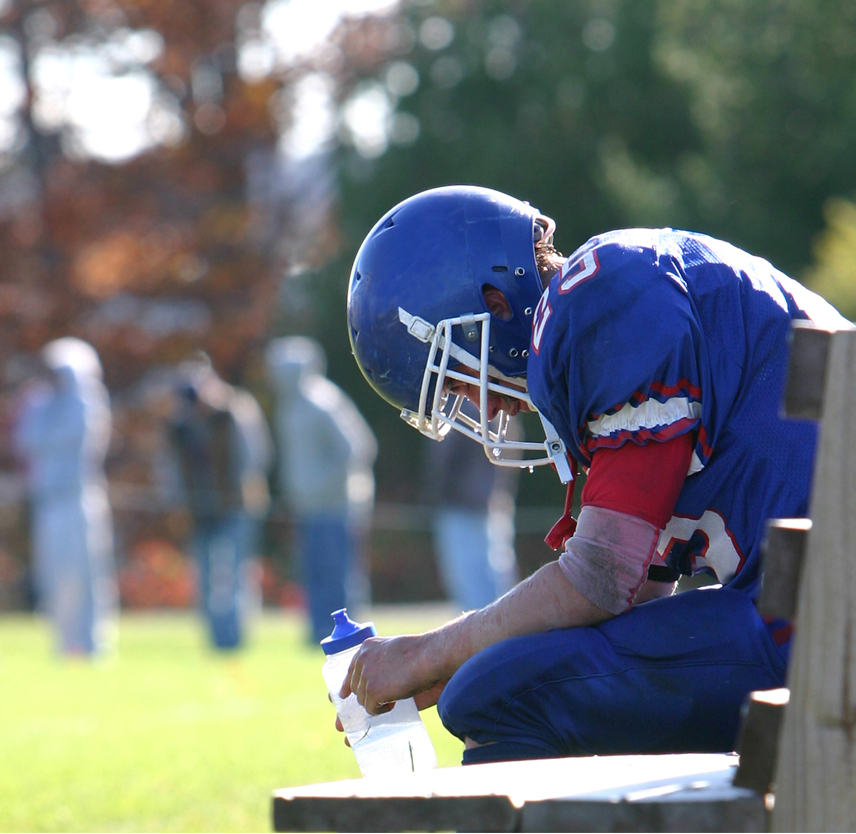
A neuropathologist has examined the brains of 111 NFL. players — and 110 were found to have CTE, the degenerative disease linked to repeated blows to the head.
Does playing high school football have a statistically and clinically significant adverse association with cognitive impairment and depression at 65 years of age?
It is increasingly recognized that moderate to severe traumatic brain injury increases the risk for dementia in older adulthood. Whether mild TBI is associated with increased risk of dementia is less clear, especially because fewer prospective studies have focused on mild TBI. This is an important gap in the field, especially because concussion is relatively common, among both the general population and certain groups such as athletes and military service members.
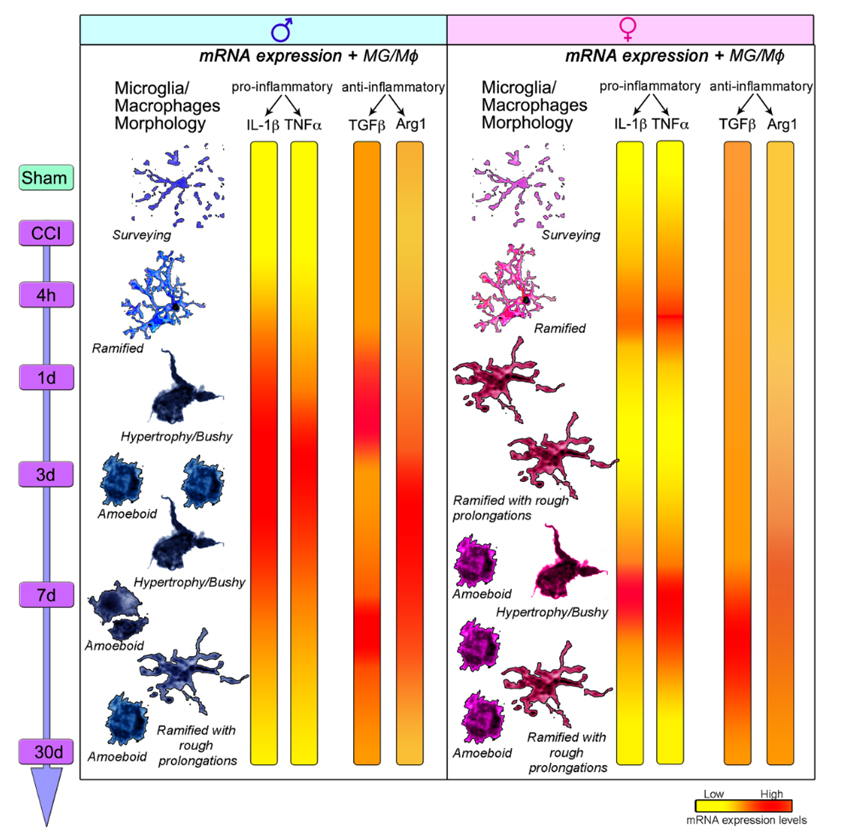
The study, published in GLIA, is the first to specifically examine how sex alters the time-course of inflammation in the brain after TBI, and their findings suggest that sex is an important factor to consider when designing and testing new drugs to treat TBI.
A study comparing depression rates in men and women one year after moderate or severe TBI shows no significant gender differences in depression symptom levels. But researchers did find different patterns of other symptoms.
Women athletes are 50% more likely than male athletes to have a sports-related concussion. Although more susceptible to concussions, the study indicates that women recover from the injury at the same rate as men.
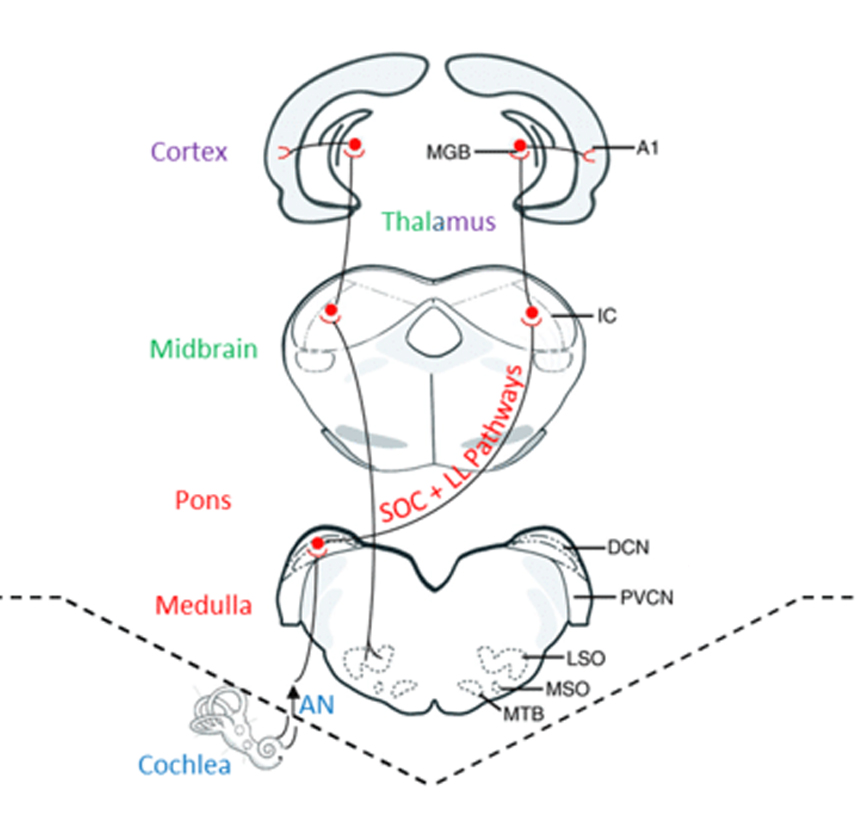
Research findings suggest mild blast trauma suffered by military personnel affects portions of the auditory system that have not been extensively studied after injuries occur, and this impairment might be diagnosed using well-established testing methods.
According to a national poll, a majority of Americans say they believe concussions and brain injuries resulting from sports are a major problem and leagues like the NFL are not doing enough to respond.