Use the filters to browse the information we have available or to narrow your search results for a specific audience (e.g. caregivers, military, children), a preferred type of content (e.g. videos, blogs, articles), or by topics of interest (e.g. family concerns, legal issues, symptoms).
Una lesión traumática del cerebro (TBI, por sus siglas en inglés) es definida como un golpe fuerte o una sacudida fuerte a la cabeza que interrumpe la función normal del cerebro.
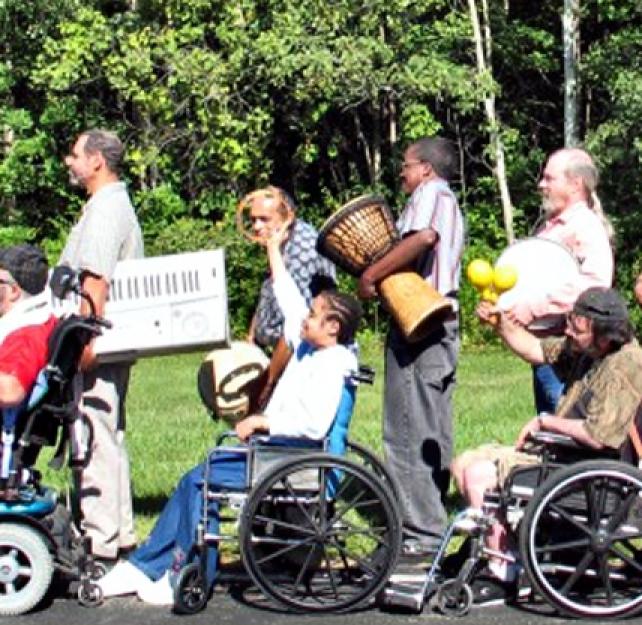
With a significant life crisis like a brain injury, paralysis, or being a POW, comes great challenge and change. But with it can also come the opportunity for significant growth.
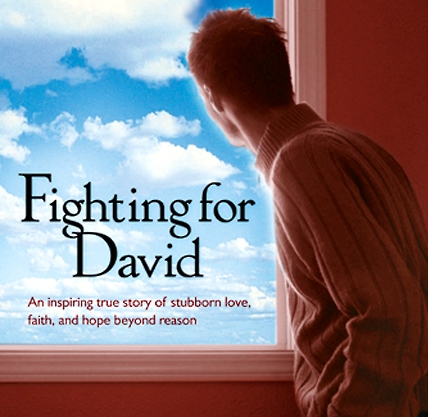
Living alongside David Grant's TBI was a treatment-resistant case of PTSD. For over fifteen years, he lived with innumerable night terror events. The kitchen calendar counted the bad nights. A good month noted three or four bad nights. A tough month, like last November, came with nineteen night terror events. Last November was as bad as it gets. Life was unsustainable… until it wasn’t.
The more I start to recognize what I am feeling — both physically and emotionally — the more I can speak up for myself, and advocate for what I need. It is not easy, and not something that everyone wants to hear, but I need to care for myself, too.
The serotonin hypothesis of depression is still influential. Our comprehensive review of the major strands of research on serotonin shows there is no convincing evidence that depression is associated with, or caused by, lower serotonin concentrations or activity.
This training is designed for anyone interested in learning about how the brain operates, what happens when it’s injured, and how yoga and meditation can be used for healing.
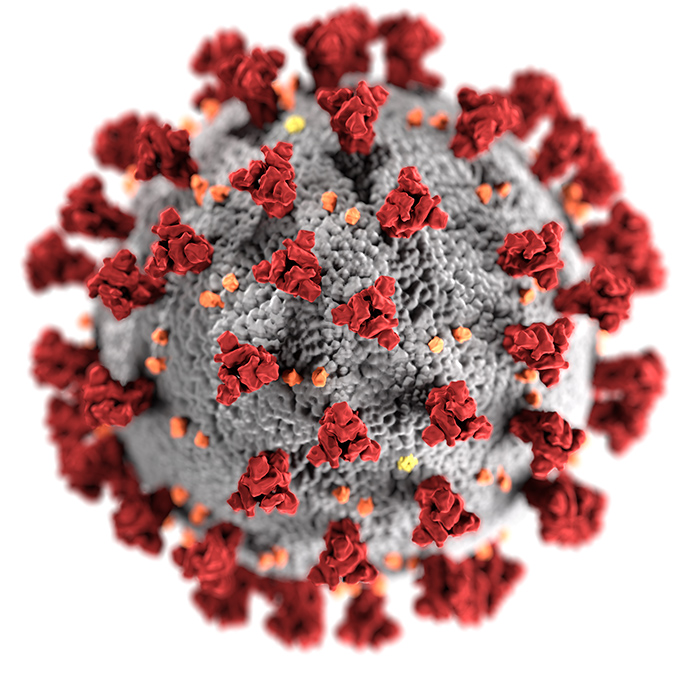
Heightened risk of PTSD occurred in MERS and SARS survivors. While data concerning COVID-19 is lacking, PTSD is known to occur in patient groups who undergo similar hospital courses, including ICU survivors, patients who are intubated and mechanically ventilated, and those that experience delirium. Research with patients who develop PTSD in the context of mild traumatic brain injury further suggests that PTSD may account for some or all of a patient’s subjective cognitive complaints and neuropsychological test performance. Recommendations are provided for assessing PTSD in the context of COVID-19.
Something that I talk less about these days is how brain injury still affects me. And there are times, times like I am about to share, that brain injury still rears its ugly head, and leaves me completely bewildered and baffled.
I heard a whooshing sound in my ears and realized it was coming from inside my head rather than externally. The wheels of the cars around me were turning in sync with the sound in my head.
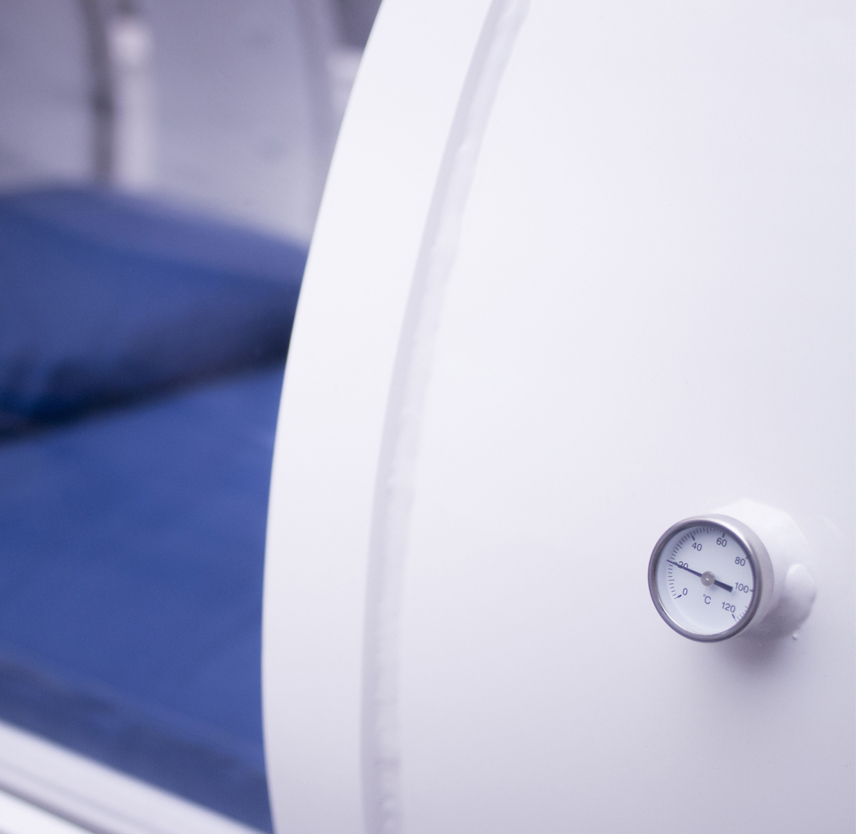
This review summarizes 40 years of clinical and pre-clinical research on the treatment of acute severe brain injury with hyperbaric oxygen therapy (HBO2).
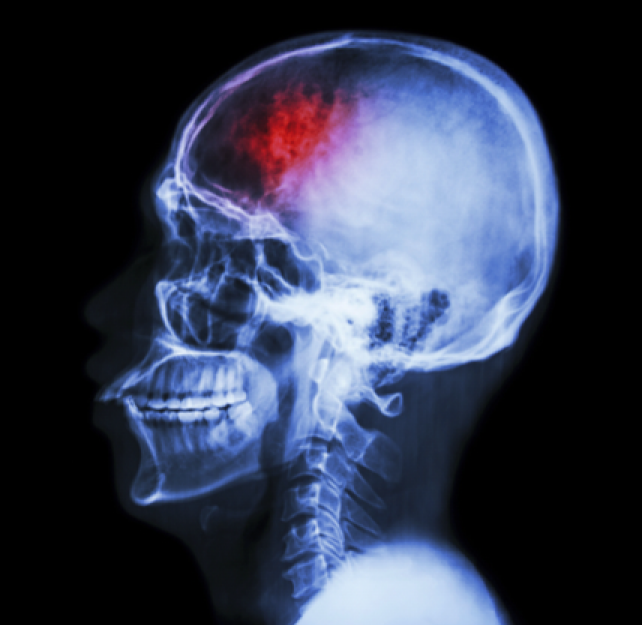
Our brains are terribly fragile and vulnerable to all sorts of injury. Although brain tissue can be damaged by a variety of things like infections, tumors, or strokes, any injury to the brain from an external force results in a TBI.
Brain injury has been a type of boot camp for our family, a crash course in thickening our skins and tackling struggle head-on. And although none of us signed up for it willingly, I think we can all agree it’s been strenuous and valuable preparation for whatever challenges lie ahead.
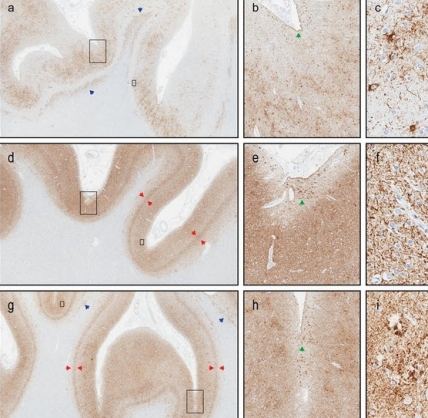
A Mayo Clinic study links amateur contact sports — football, boxing, wrestling, rugby, basketball, baseball and others played while in school — with the development of CTE, which when severe can affect mood, behavior, and cognition.