Use the filters to browse the information we have available or to narrow your search results for a specific audience (e.g. caregivers, military, children), a preferred type of content (e.g. videos, blogs, articles), or by topics of interest (e.g. family concerns, legal issues, symptoms).
Often feelings of lost connection with family members—whether with a spouse, children, parents, or siblings—is what finally catalyzes a veteran or service member to seek treatment for TBI and/or PTSD. For example, a Special Ops veteran who had deployed 10 times during a 35-year military career finally sought treatment through the Home Base program because his child told his wife that he was afraid of him. He did not want the effects of TBI and/or PTSD to create irreparable damage to his whole, multigenerational family.
Dr. Mary Alexis Iaccarino tells the story of a service member who sent her team a note of thanks along with a photo of himself attending his daughter’s graduation. Before attending the Home Base program as well as a special brain health and trauma program for Special Operations Forces, he could never have imagined being in a crowd filled with noises and lights. For him, attending the graduation was a huge win; because of treatment he was able to participate in a big family moment.
Oftentimes, a family member is the first to recognize symptoms of TBI and/or PTSD in their loved one who has returned from military service. At the Home Base program, veterans and service members are accompanied by a family member for part of the two-week intensive so upon returning home, the family knows better how to help their loved one understand their symptoms and aid with and ongoing treatments, interventions, medications, and general support.
Wounded Warrior Project’s Independence Program case managers understand that when a service member has a TBI or other physical or mental health issues, the whole family is affected—in the short- and long-term. WWP case managers get to know their families intimately, checking on them weekly and helping them find the services and resources they need. They are always available to help families navigate through these sometimes-complex situations.
PTSD can make somebody hard to be with. Living with someone who is easily startled, has nightmares, and often avoids social situations can take a toll on the most caring family. Early research on PTSD has shown the harmful impact of PTSD on families.
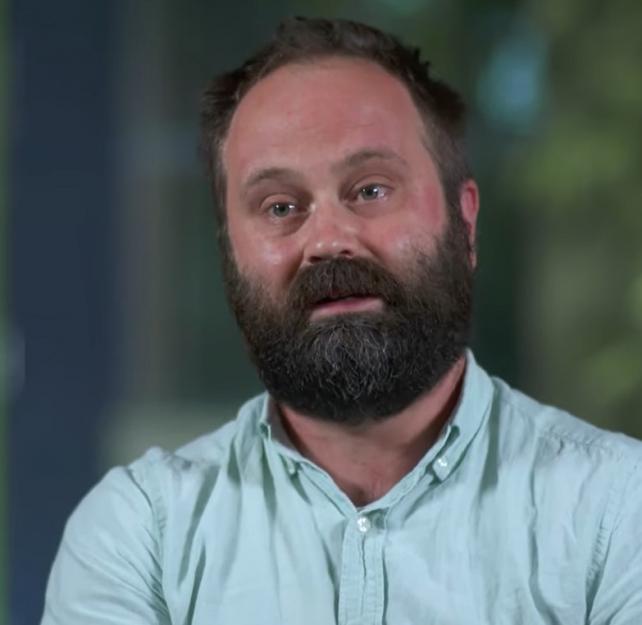
Veteran Kevin Ash suffered blast injuries during his deployment, but it was a rugby tackle that put him in a coma. His brother Connor Martin said that when Kevin work up he had lost both hearing and sight but the family accepted these changes as the "new normal."
Connor Martin's brother, veteran Kevin Ash, fell into a coma after receiving a traumatic brain injury. After he woke up, though, his family discovered he had lost his sight and hearing which cost him a lot of independence. But his family fought to keep him active and engaged with life.
Connor Martin's brother, veteran and athlete Kevin Ash, received a traumatic brain injury (TBI) that put him in a coma. Once he came out of it, though, he didn't seem able to communicate with Connor. It took some investigating to find out why.
Connor Martin talks about donating his brother Kevin Ash's brain for study. Kevin was a veteran and an athlete who began exhibiting personality changes and his family wanted to understand what had happened, even if it was after his death.
Veteran Jonathan Warren came back from service convinced he was fine -- until things started to change. Even though tests told him nothing was physically wrong, he new something wasn't right. So he took action. He dove in to finding treatments that might help -- and he started seeing results.
Many people with a brain injury lose their social connections. In this video three people with TBI bring their experiences of social isolation, stigma, and difficulties with communication to this short comedy film.
Many people with a brain injury lose their social connections. In this video three people with TBI bring their experiences of social isolation, stigma, and difficulties with communication to this short comedy film.
My blog is titled Permission to Tell the Truth in an effort of honoring my feelings, not denying them. The actual act of truth telling is challenging. It hurts. Here we’ve established a relationship of trusting support. I’d like your continued permission to be open and real.
Dr. Samantha Backhaus talks about the importance of family involvement in the treatment of someone with brain injury. That involvement can also have a significant impact on the family member's emotional health.
Anger and irritation after a brain injury are common. Those emotions can be difficult to control, leading to trouble in relationships or at work. Researchers are learning new ways to identify and lessen those feelings. Here are resources that provide information and support for those with brain injury and their families.
Caring for someone with a brain injury can be challenging sometimes. After a brain injury, people often behave differently than they did before. Sometimes people become more angry or irritable. Finding ways to accept and cope with these emotions can help you and the person you love. Here are some ideas that might help:
Creating a feeling of community, inclusion, and understanding is part of the power of support groups. The holiday season illustrates just how impactful that support can be.