Use the filters to browse the information we have available or to narrow your search results for a specific audience (e.g. caregivers, military, children), a preferred type of content (e.g. videos, blogs, articles), or by topics of interest (e.g. family concerns, legal issues, symptoms).
The human brain is a three-pound organ that remains largely an enigma. But most people have heard of the brain’s gray matter, which is needed for cognitive functions such as learning, remembering and reasoning.
Three of my four sons abruptly walked out of my life with no explanation and no communication. I was being ghosted long before that term even existed. It was, by far, the most painful part of my journey.
The brain is the organ that orchestrates all the diverse functions and complex decisions that take place in biological systems. Despite its critical nature, it is equally as fragile: the neurons that make up the brain do not regenerate like many other cell types.
The National Military Family Association understands deeply that “military families serve, too,” alongside their service member or veteran parent or spouse.
Our Miiltary Kids recognizes children for being brave despite their parent’s deployment and all the challenges — large and small — that can come with a parent’s recovery from combat injuries.
To be human is to grieve, and everyone grieves differently and in their own time. But there is a type of grief that many people experience that is less common, less talked about, but none the less real and painful. It’s called ambiguous grief or ambiguous loss.
State-level resources and supports have a small but significant impact on outcomes following serious TBI. Better Long-Term Services and Supports increase community participation and life satisfaction.
If you are anything like me, when you or your loved one are first given a diagnosis, you research. There is so much information available online, it can be overwhelming or frustrating to know which is accurate, but I find research helpful in being able to report or advocate to doctors for both myself and my loved ones.
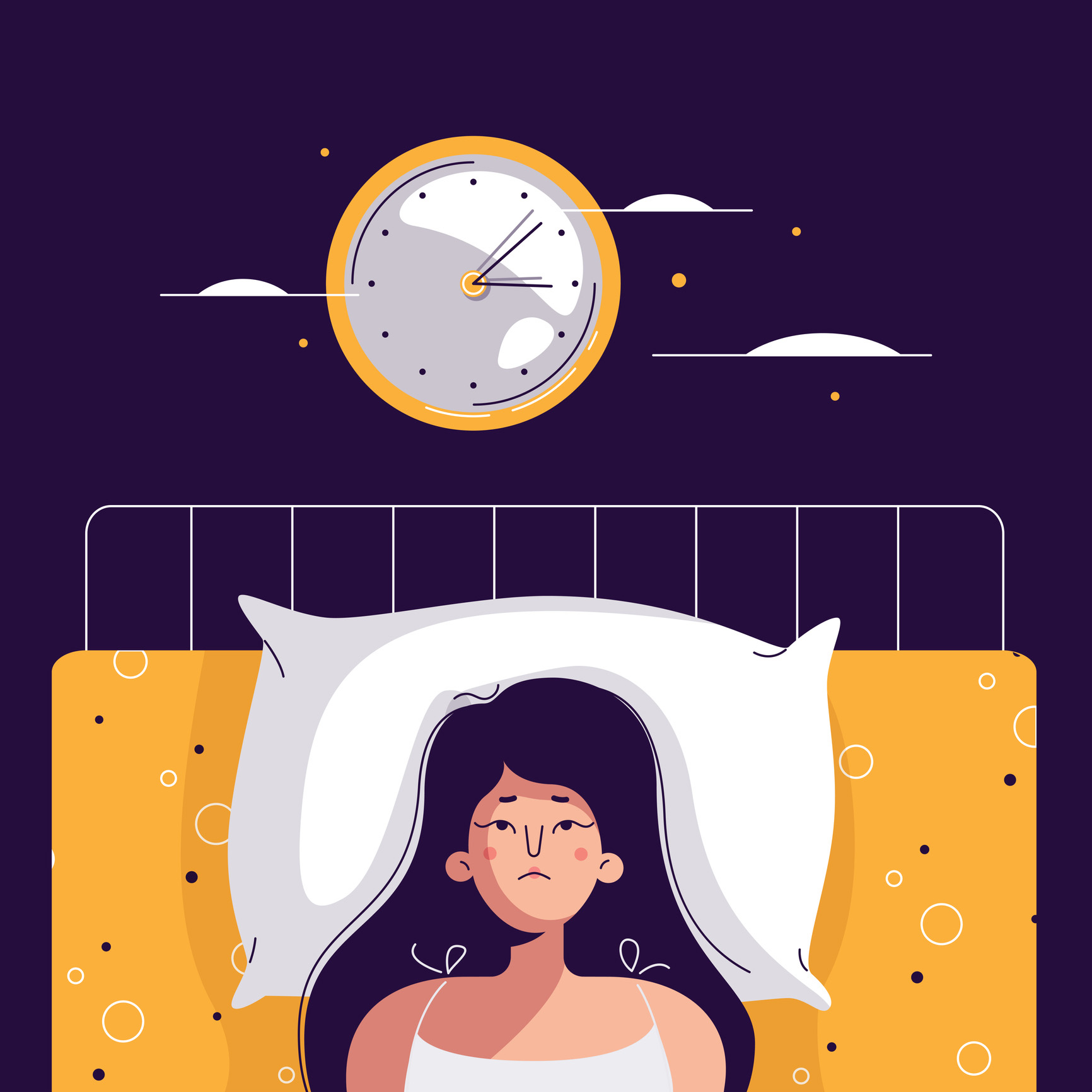
What is the natural history of insomnia in the 12 months after traumatic brain injury (TBI)? In the analysis of over 2,000 adults from a large cohort study, insomnia was common during the 12 months after TBI and should be assessed early in recovery.
Is concussion and/or mild traumatic brain injury (TBI) associated with a higher risk of suicide? This systematic review and meta-analysis found a 2-fold higher risk of subsequent suicide among more than 700 000 patients diagnosed with concussion and/or mild TBI, compared with more than 6.2 million individuals who had not been so diagnosed. Experiencing concussion and/or mild TBI was also associated with a higher risk of suicide attempt and suicidal ideation. These results suggest that experiencing concussion and/or mild TBI is associated with an increased risk of suicide.
Intimate partner violence (IPV) affects up to 1 in 3 women over their lifetime and has intensified during the COVID-19 pandemic. Although most injuries are to the head, face, and neck, the intersection of IPV and brain injury (BI) remains largely unrecognized. This article reports on unexplored COVID-19–related impacts on service providers and women survivors of IPV/BI.
This training is designed for anyone interested in learning about how the brain operates, what happens when it’s injured, and how yoga and meditation can be used for healing.
Businesses, restaurants, and other establishments including, ironically, the VA, should become more educated about service dogs and the Americans with Disabilities Act.
Being organized and having a routine makes each day smoother for Natalie Vines who has TBI and PTSD and for her caregiver husband and fellow vet, Brian Vines who also has PTSD.
Many non-profits have helped Brian Vines, a military veteran with PTSD and fulltime caregiver for his veteran wife with TBI and PTSD, over the last decade.
Natalie Vines—who sustained several TBIs in combat and who has PTSD—found great strength from attending a two-week immersive PTSD program through the Wounded Warrior Project.
People often say that Brian and Natalie's story of injury, caregiving, and retirement from the military is a tragedy. But for them, it's more of a love story.