Use the filters to browse the information we have available or to narrow your search results for a specific audience (e.g. caregivers, military, children), a preferred type of content (e.g. videos, blogs, articles), or by topics of interest (e.g. family concerns, legal issues, symptoms).
U.S. Marine Corps Reserves Veteran Nick Morrison's Humvee was hit by improvised explosive devices twice while he was deployed in Iraq. When he got home, the symptoms of post-traumatic stress disorder (PTSD) became debilitating. Nick shares how his survivor's guilt and moral injury caused his PTSD and how WWP’s Road Home Program helped him heal.
Dr. Erin Fletcher describes what exactly happens at Wounded Warrior Project (WWP)'s Warrior Care Network, what types of treatments and other services are provided, and what the veteran and their family will experience.
A recent study conducted by researchers at New York University and published in the Journal of the American Medical Association (JAMA) has led many to believe the leading evidence-based psychotherapies for PTSD do not work for up to two-thirds of patients.
Our findings at Wounded Warrior Project® (WWP) show very different results.
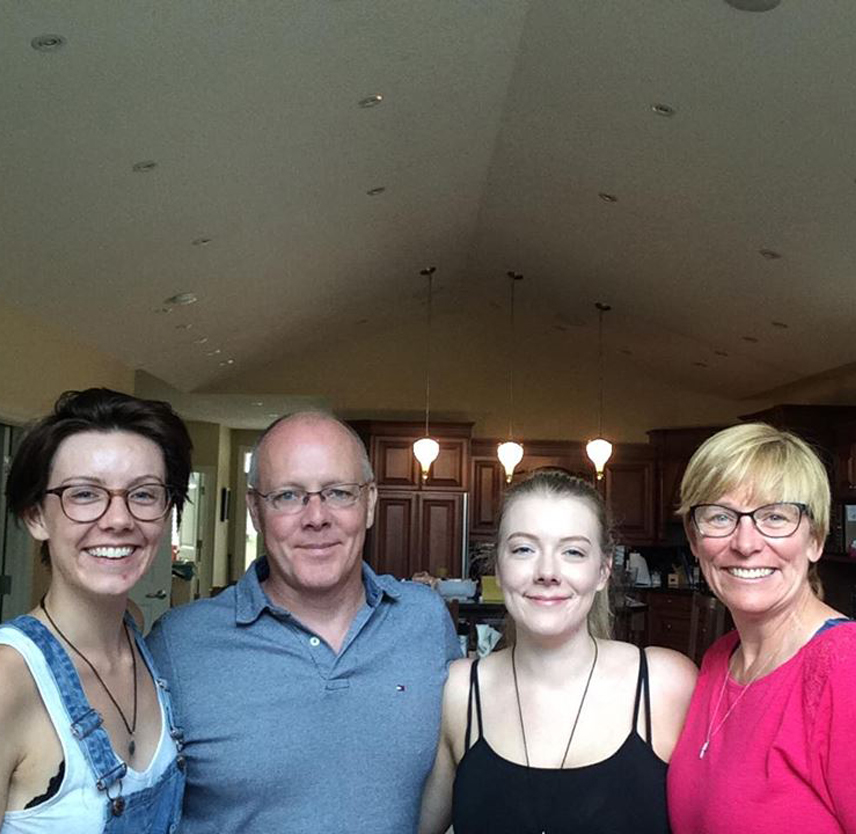
My case manager’s brain was pondering the logistics and the potential extent of Christine’s injuries. But my brain as a Mother was focused intently on keeping myself together so that I could be effective.
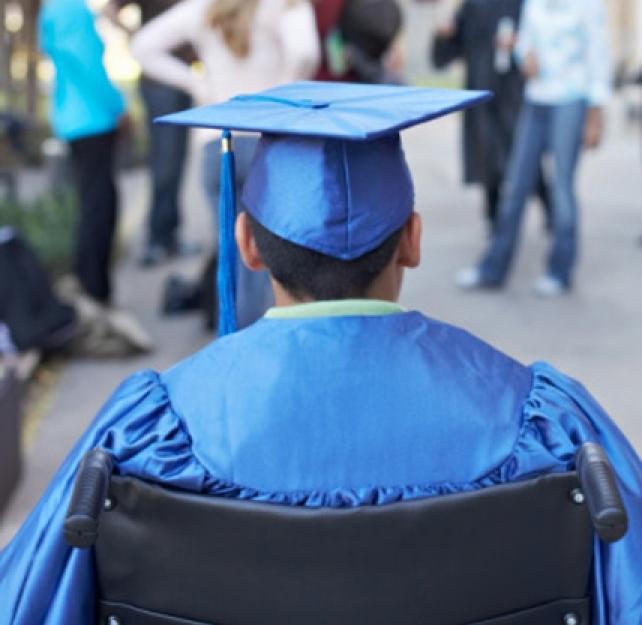
Kids with TBI have similar challenges to kids with other disabilities, but they also have uneven skill profiles, meaning they may be strong in one area or academic subject but deficient in another.
Hospital Executive Amy Mansue talks about her pediatric cognitive rehab program that is set up like a school to help a child with TBI deal with issues like frustration in addition to regular academic work.
Dr. Juliet Haarbauer-Krupa talks about how parents and schools can partner with medical facilities to better understand how a brain injury can affect a student socially, behaviorally, and academically.
The incidence rates of traumatic brain injuries (TBI) are increasing, yet educators continue to be inadequately trained in assessing and serving students with TBIs. This study examined the efficacy of a half-day TBI training program for school psychologists designed to improve their knowledge and skills.
People with brain injury can have problems with accessibility. They can run into countless obstacles — from websites that don’t take into account someone with vision problems or memory problems to buildings without wheelchair access. Here's what you need to know.
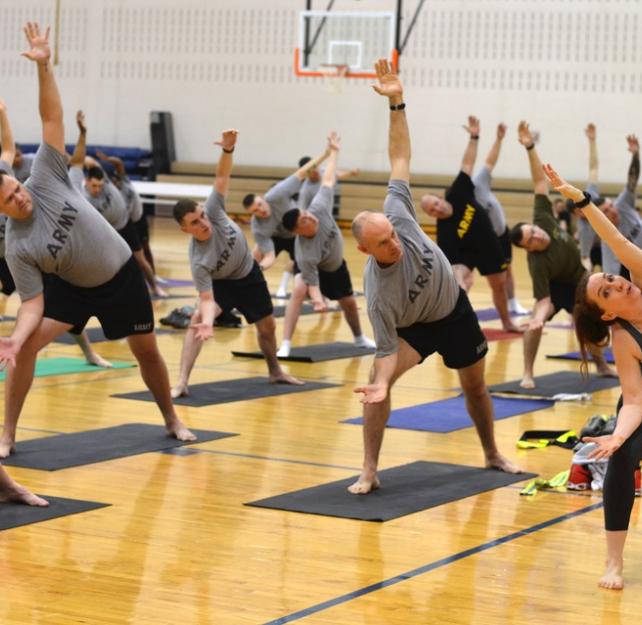
Being a military veteran himself, Marty Yura has a special affinity to the military members he teaches through the Emory Healthcare Veterans Program. Creating a safe, welcoming, and interesting environment in the studio, Mr. Yura brings all of his life experiences to how he teaches yoga and how he creates an important connection with his students.
Recently, Wounded Warrior Project funded a study with the Rand Corporation on the need to treat substance use disorder along with treating traumatic brain injury (TBI) and/or post-traumatic stress disorder (PTSD). The often co-occurring conditions must be treated simultaneously to be as effective as possible.
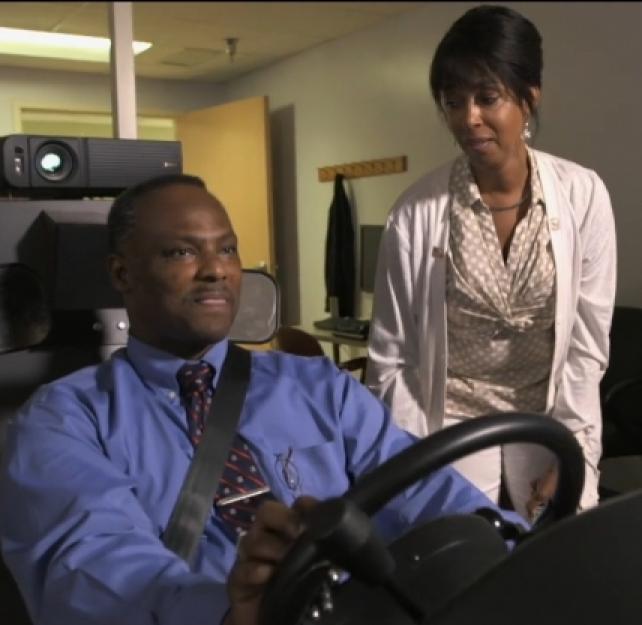
Helping someone with a brain injury navigate life on a college campus after being in the military can be a tall order. Army veteran Timm Lovitt is the man for the job.