Use the filters to browse the information we have available or to narrow your search results for a specific audience (e.g. caregivers, military, children), a preferred type of content (e.g. videos, blogs, articles), or by topics of interest (e.g. family concerns, legal issues, symptoms).
After a severe TBI at age 4, Michael Wight is now in fourth grade at Switlik Elementary, where they call him "the mayor." He attends class with other fourth graders and also gets help from a special education teacher, speech therapist, and physical therapist.
Caregivers play a vital role in helping veterans recover from TBI and post-traumatic stress. In this article, four military caregivers describe the first major challenge they faced as they began taking on the role of caregiver.
Former Army Sgt. and Dole Caregiver Fellow Danny O'Neel helps fellow veterans who are struggling with how to get through each day. The biggest change for him, he says, was "learning how to listen."
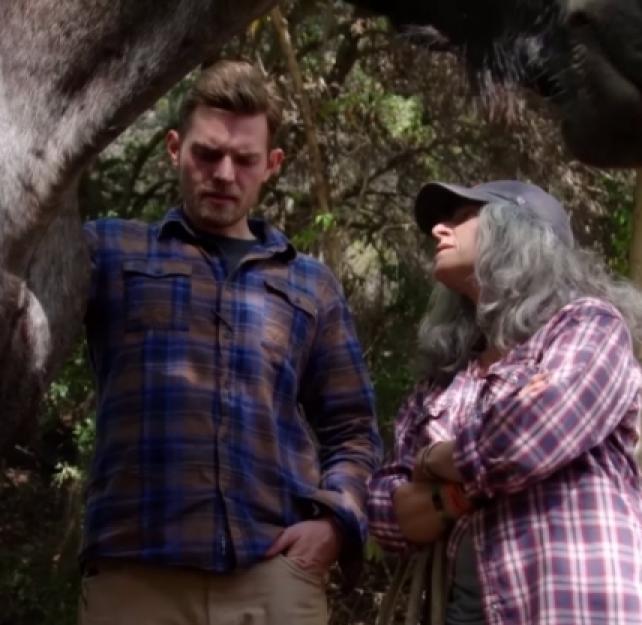
The horses are like the soldiers — they're highly sensitive and they don't trust easily. For U.S. Army Veteran Garrett Combs, working with one of the horses leads to a major breakthrough in his healing process.
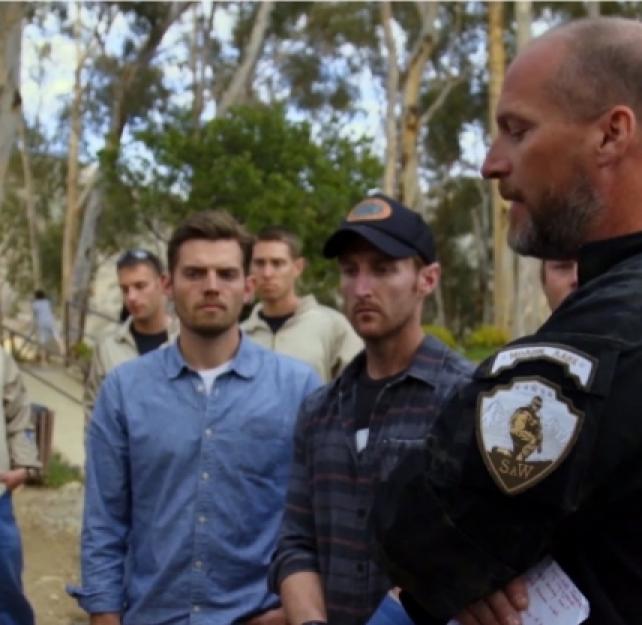
U.S. Army veteran and "Save a Warrior" founder Jake Clark explains the why the program's rope course is such an important part of war detox and how it provides a protective factor against suicide.
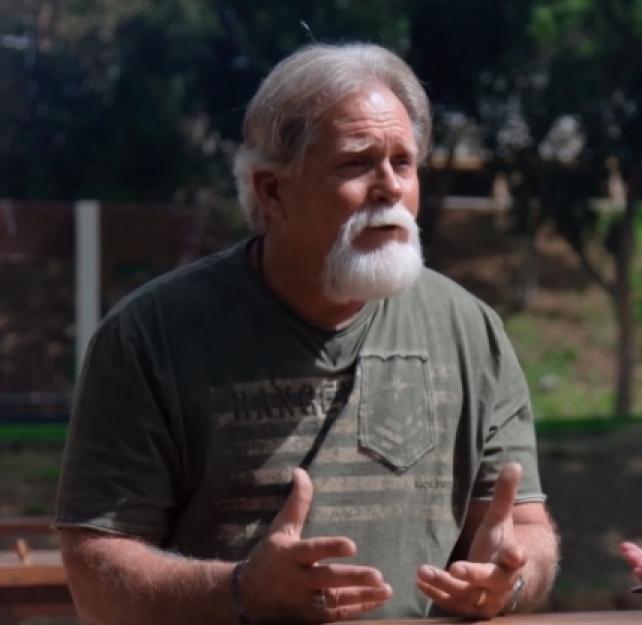
Retired U.S. Army Airborne Ranger Dusty Baxley explains how warriors can use meditation to find relief from the overwhelming barrage of thoughts and other post-traumatic symptoms like aggression, anxiety, and insomnia.
As an epidemic of suicide among veterans sweeps the country, the medical model fails to make a large enough impact. Is this war detox program the cure? U.S Army Veteran Jake Clark believes so.
This is a loaded topic for me and many others, but today I want to talk about something that came up recently regarding family who doesn’t ‘get it’ in understanding the complexities and challenges of our lives after combat.
When my husband became the one who responded emotionally to everything around him after his brain injury, I had two choices: keep reacting the way I always did and join into the downward spiral, or break the cycle and hold on tight for the ride.
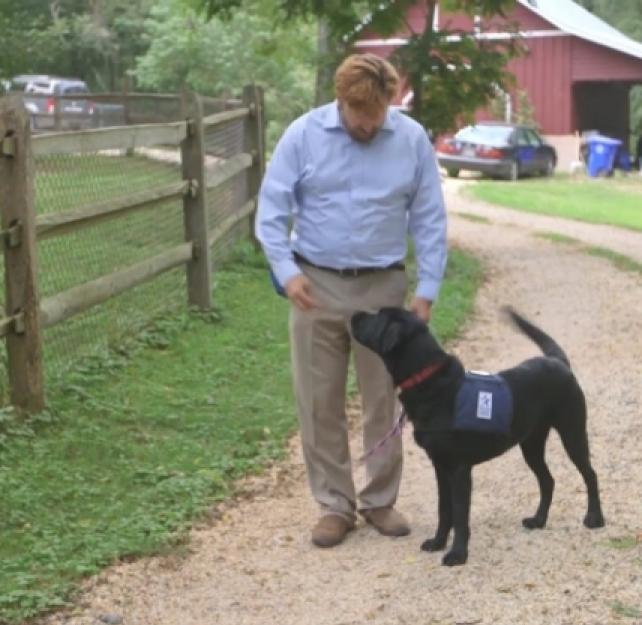
As part of his treatment plan for multiple traumatic brain injuries sustained in combat and training, Jake now trains service dogs to help veterans like himself.
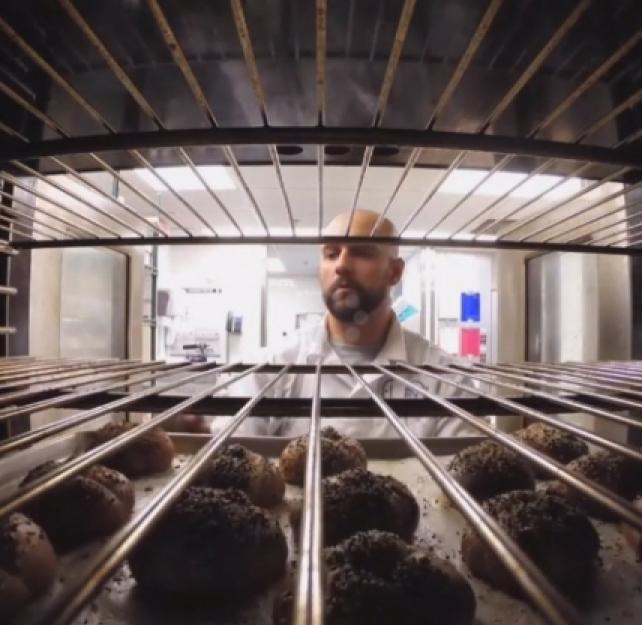
Two injured vets—Marine Cpl. Lalo Panyagua and Army Sgt. Josh Tredinnick—explain how the non-profit Dog Tag Bakery has helped them learn about business and get ready for a new career.
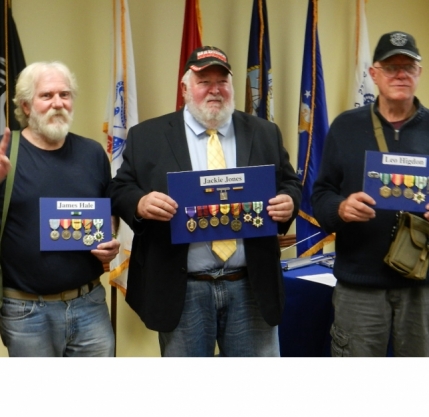
These men are heroes not just for what they survived. They are heroes for living through fifty years of civilians who don’t understand them and loved ones who walk away in tears from actions and responses that, to these men, seem completely normal.
I, personally, never use the word warrior for anyone but a combat veteran. But I do not call them warriors because of what they did during war. I call them warriors because of what they do every single day since returning from war.
Retired Navy Senior Chief Petty Officer Brian O’Rourke's multiple brain injuries affected his relationships with his family for years. He denied it for a while, but his family encouraged him to seek help.
Retired Navy Senior Chief Petty Officer Ed Rasmussen experienced multiple concussions and now tells others who may have experienced a TBI to “talk to somebody you know who has one — because we’re out there.”
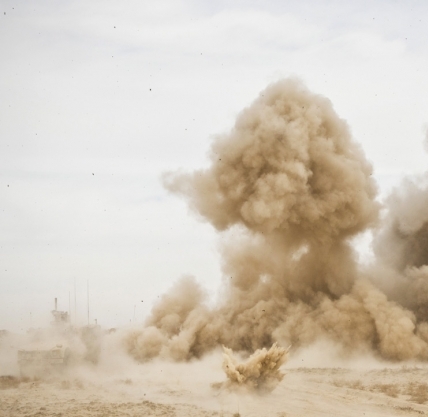
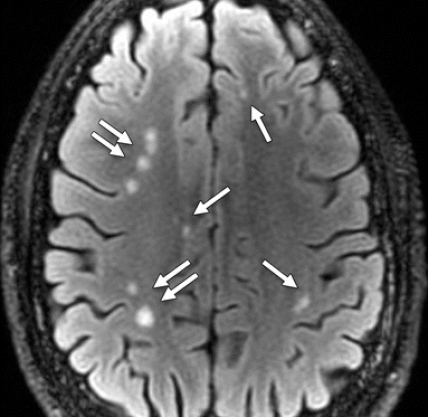
Many military personnel who experience blast-related traumatic brain injury (MTBI) have lasting brain damage as seen by MRI, according to a study published in Radiology.
A 2015 report from the Office of Government Accountability says the 32 peer-reviewed studies on the effectiveness of the HBOT for traumatic brain injury and post-traumatic stress came up with mixed results.