Use the filters to browse the information we have available or to narrow your search results for a specific audience (e.g. caregivers, military, children), a preferred type of content (e.g. videos, blogs, articles), or by topics of interest (e.g. family concerns, legal issues, symptoms).
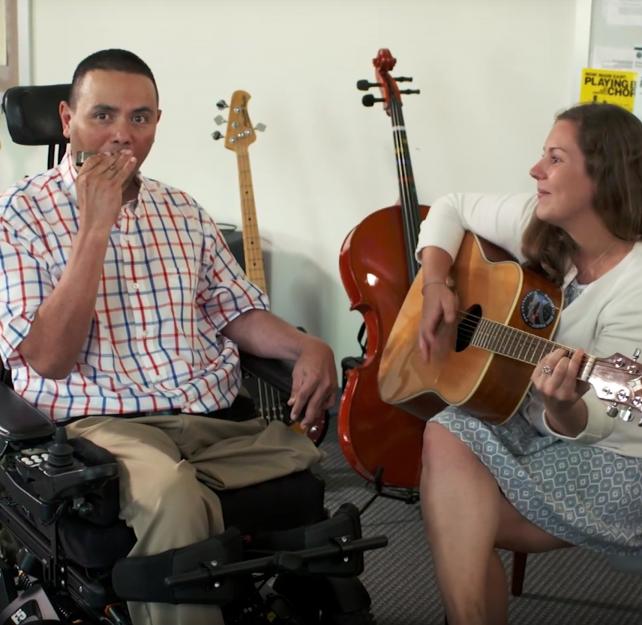
Music therapy is an evidence-based therapeutic application for the treatment of brain and psychological injuries such as TBI and PTSD. Substantial scientific evidence supports how and why music therapy works, but it also can be understood intuitively.
At the Marcus Institute, the focus is on spending time learning about their veteran patients and finding as accurate a diagnosis as possible in order to best tailor treatment.
Medications that have been shown to be helpful in treating PTSD symptoms are some of the same medications also used for symptoms of depression and anxiety.
Leer una descripción sobre los tratamientos que han demostrado ser más eficaces para el TEPT. Esos tratamientos incluyen terapia de conversación y medicamentos.
When a service member is deployed the spouse is everything: head chef, accountant, mechanic, troubleshooter, problem solver, mother, father, good cop, and bad cop. Their job is moving from a dual parent role to a single parent role and back again, constantly. The challenge is that this takes some getting used to for both the spouse and the service member.
Ever wonder what it was like for Superman at home? He has chores and responsibilities, just like every other spouse in a mutually supportive relationship. But how does he leave the cape at the door? And how does Lois get used to him wearing the cape around the house?
The list was written from my own experience as a combat veteran, and from what I’ve learned from veterans in my own work; this post is looking at things from the other side, based on my experiences as a mental health counselor.
There are times when it feels like things cannot get any more surreal, and then they do. Such is the unexpected life that unfolds for so many of us after brain injury.
EMDR helps process and make sense of trauma. It involves calling the trauma to mind while paying attention to a back-and-forth movement or sound (like a finger waving side to side, a light, or a tone).
It will be true on the day I post this, and it will be true on the day that you read it. Another Veteran will have succumbed to the struggle and died by suicide. You may wonder, “what can I do?”
None of these challenges is blatant to the naked eye, but spend a bit of time with me, and you’ll learn soon enough that I’m not as normal as I look. Such is the nature of being invisibly disabled.
Our lives did not peak on a mountaintop in Afghanistan, or a jungle in Vietnam. They do if we think they do; if we see that as the ultimate achievement in our lives, and everything else is downhill and meaningless, then that’s what we will believe. That’s not the case.
Working with any client can be challenging, but veterans can be especially difficult because of the warrior culture that they are used to. Here what veterans would like their mental health counselor to know before working with them.
Prolonged Exposure (PE) teaches you to gradually approach trauma-related memories, feelings, and situations that you have been avoiding since your trauma. By confronting these challenges, you can decrease your PTSD symptoms.
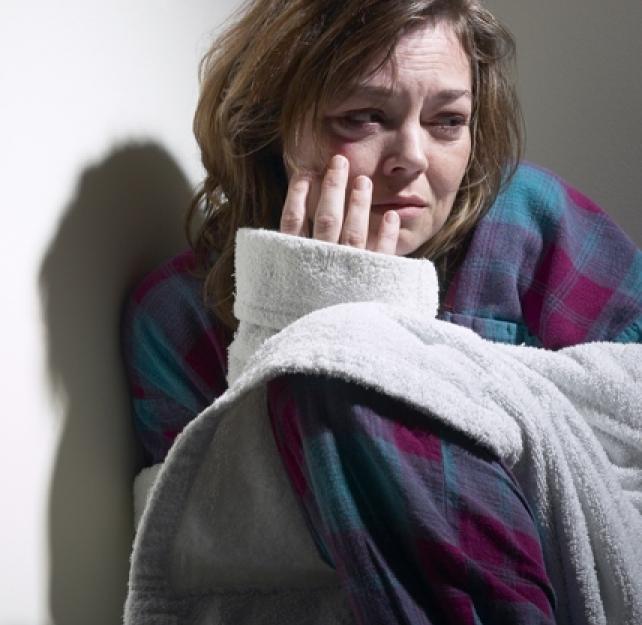
Depression can sometimes be a double-whammy. While depressed, you don’t have the energy or confidence to do what you need to do to try to feel better. Here are a few strategies that people with post-TBI depression have suggested.