Use the filters to browse the information we have available or to narrow your search results for a specific audience (e.g. caregivers, military, children), a preferred type of content (e.g. videos, blogs, articles), or by topics of interest (e.g. family concerns, legal issues, symptoms).
Study finds presence of abnormal saccadic eye movements, diminished accuracy of primary saccadic horizontal eye movement, and a widespread slower reaction to both visual and auditory stimuli.
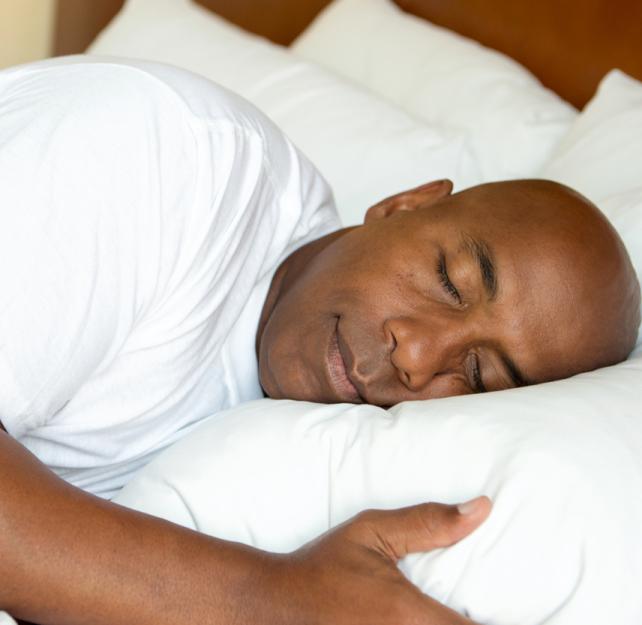
For people recovering from a traumatic brain injury, sleep is especially important, but people with brain injury often have trouble getting the quantity and quality of sleep they need.
A study comparing depression rates in men and women one year after moderate or severe TBI shows no significant gender differences in depression symptom levels. But researchers did find different patterns of other symptoms.
If you feel like something is wrong, keep pushing for testing or have your loved one push for you. Think of your general practitioner as a gatekeeper to get you to people with the real expertise...
In 45 retired NFL athletes, there were no associations between pre-high school football and neuroradiological, neurological, and neuropsychological outcome measures.
Mood and behavior changes may appear after a concussion or mild TBI. You or your loved one may not understand why this is happening or know what to do. Trying these tips may improve these feelings.
Retired Navy Senior Chief Petty Officer Ed Rasmussen experienced multiple concussions and now tells others who may have experienced a TBI to “talk to somebody you know who has one — because we’re out there.”
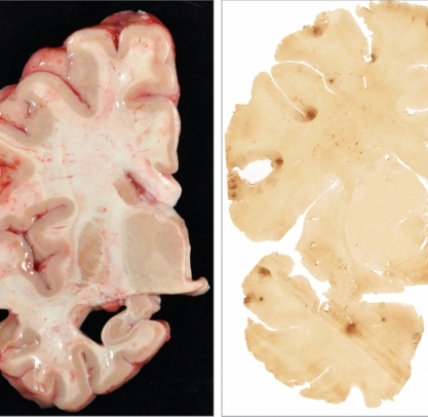
The neuropsychological findings of a 25-year-old former college football player who was diagnosed with chronic traumatic encephalopathy (CTE) postmortem.
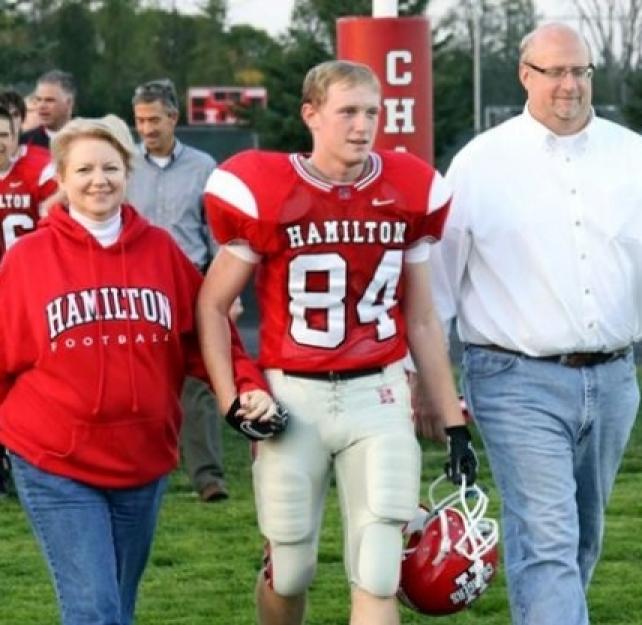
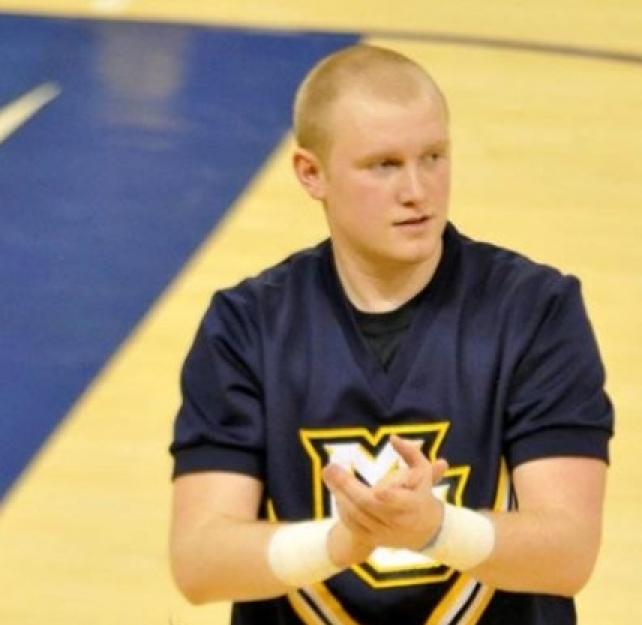
Bob Duncan whose son sustained a concussion while being a cheerleader for his college talks about what he would have done differently had he known more.
Bob Duncan talks about his son having to make the very difficult but wise decision to take a medical withdrawal from college to let his brain rest properly after a concussion.