Use the filters to browse the information we have available or to narrow your search results for a specific audience (e.g. caregivers, military, children), a preferred type of content (e.g. videos, blogs, articles), or by topics of interest (e.g. family concerns, legal issues, symptoms).
The list was written from my own experience as a combat veteran, and from what I’ve learned from veterans in my own work; this post is looking at things from the other side, based on my experiences as a mental health counselor.
“When I meet people, post-injury who may be stuck in a dark place, who may think their lives are destroyed, I say it’s going to be hard to picture the future but start by dipping your toes into the waters of adaptive sports in a group setting. The sooner you get involved, the better. You don’t have a clue what you will accomplish in life.”
Whether you choose to share your brain injury story publicly or document it privately for yourself, it can be surprisingly therapeutic to seize the narrative of your life. If I had kept my struggle inside, hidden from the world, I don’t know how I ever would have healed and moved on.
The COVID-19 pandemic shined a light on the deep need that people feel for human touch and connection in hospital settings. Having relatives peering through windows at their loved ones or unable to enter hospitals altogether exacerbated the lack of human intimacy that is all too common in health care settings.
Grief is a complicated process, particularly in the case of TBI when it takes the form of ambiguous grief. Quite obviously there hasn’t been a real death, yet we find ourselves cloaked in a profound sense of loss, one that is enormously difficult to articulate to others.
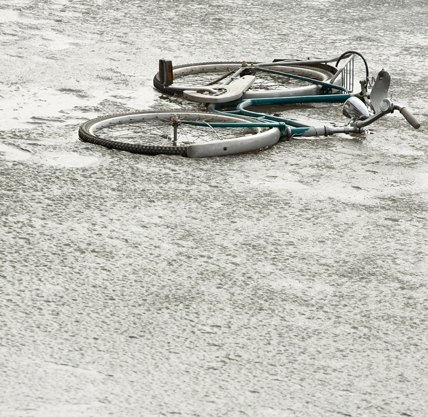
Jerome squeezed hard on the hand brakes, but it was too late. His front wheel collided with the dog; the dog yelped, and Jerome somersaulted over his handlebars.
The pandemic has changed the daily lives of everyone. How we work, how we shop, and how we interact with each other are all shifting. Comparing life as it is now with how it used to be can lead to sadness or despair and what's called "ambiguous loss."
I have a streaming service subscription. Unlike the popular streaming services so many of us are familiar with, the rules for this service are different: The terms of agreement are lifelong, and there is no opportunity to cancel. And this streaming service allows new content based entirely on my previous viewing habits.
The guilt and shame that many service members experience related to the loss or injury of someone they served with are contrasted with the appreciation they have for life.
We’ve all see that face. The well-meaning face of pity: the downturned brows and lips, the misty eyes. After Hugh’s TBI, I seldom met a friend or acquaintance who did not flash this expression at me every time we met. My daughters felt it, too. The funny thing is, we did not want pity. We’d had our fill of it in the ICU.
For physician, writer, and mother Carolyn Roy-Bornstein, writing was the way she made sense of the world, but after her son sustained a brain injury, she found she was also writing for him.
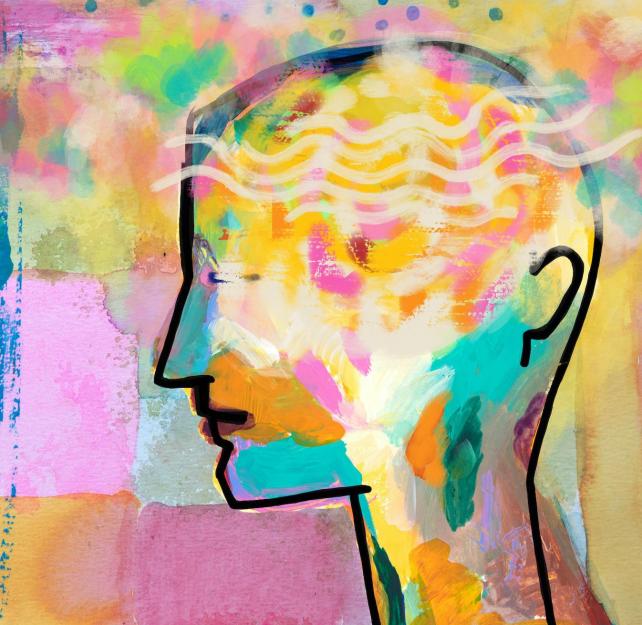
Our minds are both a beautiful and cruel playground, brain injured or not. Be careful about what you let on that playground, and when your thoughts seem to lean severely in a negative direction, recognize that in painful times, we sometimes think and believe things that are untrue