Use the filters to browse the information we have available or to narrow your search results for a specific audience (e.g. caregivers, military, children), a preferred type of content (e.g. videos, blogs, articles), or by topics of interest (e.g. family concerns, legal issues, symptoms).
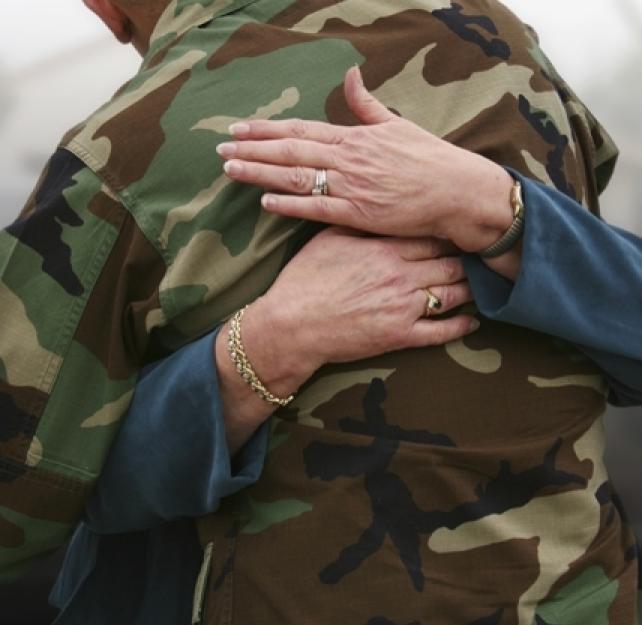
Karen Gross, who served as a senior policy advisor to the US Department of Education in Washington, DC, writes about the opportunities and challenges facing returning veterans when
After a brain injury, these questions sometimes arise for the spouse: Should I stay married or divorce? ... Should I continue to care for my spouse, or should we live apart?
It’s easy to confuse post-traumatic stress (PTS) and post-traumatic stress disorder (PTSD). In addition to sharing similar names, there’s considerable overlap in symptoms between the two conditions.
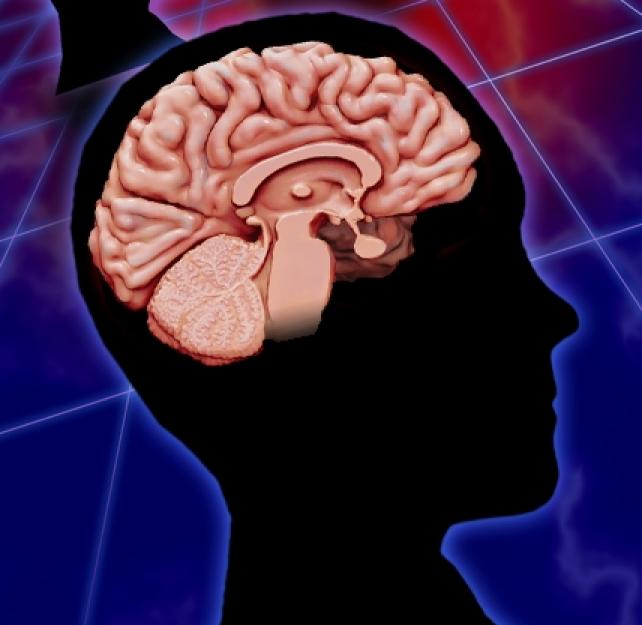
This Psychology Today blogger writes about imaging studies that show that people who sustained a mild TBI showed subtle brain abnormalities in the frontal lobes four months later.
Flashing lights, crowded stores, family gatherings. The holidays should be joyful, but they can often be overwhelming to people living with brain injury.
While the fields of medicine and psychology have argued for strict boundaries between patients and their doctors, other professional bodies have begun to recognize the value of sharing their own narrative.
Learn about the 1.4 million “invisible caregivers” — children who help provide substantial care to a family member while trying to be successful students.
Parents and teachers can teach children with TBI-related memory issues how to pay careful, focused attention and engage actively in thinking about what is being learned.