Use the filters to browse the information we have available or to narrow your search results for a specific audience (e.g. caregivers, military, children), a preferred type of content (e.g. videos, blogs, articles), or by topics of interest (e.g. family concerns, legal issues, symptoms).
A gentleman asked me, “Looking back at the beginning of your journey, what could have been done on the healthcare team's end to help you?” Taking a deep breath, I realized the question was an open door. I wasn’t sure I felt fully prepared to walk through it. I’ve pondered this question since then and want to share five qualities of healthcare providers that left an impression on me.
Something that I talk less about these days is how brain injury still affects me. And there are times, times like I am about to share, that brain injury still rears its ugly head, and leaves me completely bewildered and baffled.
Traumatic brain injury (TBI) can have lifelong and dynamic effects on health and wellbeing. Research on the longterm consequences emphasises that, for many patients, TBI should be conceptualised as a chronic health condition. Evidence suggests that functional outcomes after TBI can show improvement or deterioration up to two decades after injury, and rates of all-cause mortality remain elevated for many years. Furthermore, TBI represents a risk factor for a variety of neurological illnesses, including epilepsy, stroke, and neurodegenerative disease. With respect to neurodegeneration after TBI, post-mortem studies on the long-term neuropathology after injury have identified complex persisting and evolving abnormalities best described as polypathology, which includes chronic traumatic encephalopathy. Despite growing awareness of the lifelong consequences of TBI, substantial gaps in research exist. Improvements are therefore needed in understanding chronic pathologies and their implications for survivors of TBI, which could inform long-term health management in this sizeable patient population.
For close to nine years, I’ve been working on navigating life as a brain injury survivor. Thankfully, as time passes, my life as a brain injury survivor has gotten easier. Like any human being with a heartbeat, though, I have other health issues. These are health issues that need my attention and constant care. It is at the intersection of brain injury and some of my other health concerns where things can get very dicey.
This handout provides a brief summary of what researchers currently know and don’t know about chronic traumatic encephalopathy, or CTE. Research on CTE is growing, and more studies are needed to help answer many remaining questions. CDC will update this handout as more information on CTE becomes available.
Concussion is a common childhood injury that may lead to long-term physical, behavioral, and neurocognitive effects, affecting learning and school performance. There is increasing concern about the potential for repeat concussions among professional and high school athletes, with specific attention focused on understanding how sustaining a concussion alters future concussion risk. Addressing repeat concussion risk among youth has substantial implications for clinical practice in terms of managing exposure — particularly regarding youth sports participation — and long-term health and development.
Post-traumatic stress disorder (PTSD) is a major problem among military veterans and civilians alike, yet its pathophysiology remains poorly understood. We performed a genome-wide association study and bioinformatic analyses, which included 146,660 European Americans and 19,983 African Americans in the US Million Veteran Program, to identify genetic risk factors relevant to intrusive reexperiencing of trauma, which is the most characteristic symptom cluster of PTSD. In European Americans, eight distinct significant regions were identified. Three regions had values of P < 5 × 10⁻¹⁰: CAMKV; chromosome 17 closest to KANSL1, but within a large high linkage disequilibrium region that also includes CRHR1; and TCF4. Associations were enriched with respect to the transcriptomic profiles of striatal medium spiny neurons. No significant associations were observed in the African American cohort of the sample. Results in European Americans were replicated in the UK Biobank data. These results provide new insights into the biology of PTSD in a well-powered genome-wide association study.
Finding acceptance after a brain injury isn't easy. "For a long while, I bucked against our reality. I found myself caught between what I had once known and an uncertain future. The in-between caused marked turmoil. As much as I didn’t want to accept Taylor’s brain injury as part of our lives, it is. As much as I wish it didn’t affect Taylor and our family … it does."
Today there is more interest in concussions and their lingering effects, which has led to more funding and research. Dr. James Kelly sees the information gathering and treatment implemenation landscape growing even further as time goes on.
Dr. James Kelly talks about how a lot of people were interested in concussion in the 1980s. It's taken a long time, but more and more people have come on board with the view that brain injury is an important issue. This change is leading to more developments in the diagnosis and treatment of mTBI.
Dr. James Kelly believes that taking extra time with patients means developing a more accurate diagnosis and, therefore, a more effective treatment plan for the patient.
Showing a patient's improvement after a brain injury using accepted standardized metrics means those results can be analyzed and diseminated. It can also inform trials aimed at improving the identification and treatment of TBIs.
At the Marcus Institute, the focus is on spending time learning about their veteran patients and finding as accurate a diagnosis as possible in order to best tailor treatment.
Dr. James Kelly discusses NICoE's major focus on helping those with brain injury become independent. To help with that goal the program helps patients learn the nature of their problem, what triggers their symptoms, and how they can address those symptoms as they arise.
NICoE, the National Intrepid Center of Excellence, was created with the goal of helping duty service members with TBI relieve symptoms, put them on a trajectory of recovery, and aim them back into the the military world that they live in.
Dr. James Kelly knows that brain injury results in physical changes to the body which can be addressed and improved using rehabilitiation therapies. Vestibular rehabilitation has proven effective in addressing issues of balance and mobility.
Dr. Ann McKee wants to raise awareness about brain donation. The more brains that researchers have to study, the more information they can gather to help people in the future.
Dr. Ann McKee knows that physical exercise is healthy for the mind and the body, but it's important to do it safely to minimize the chances of brain injury.
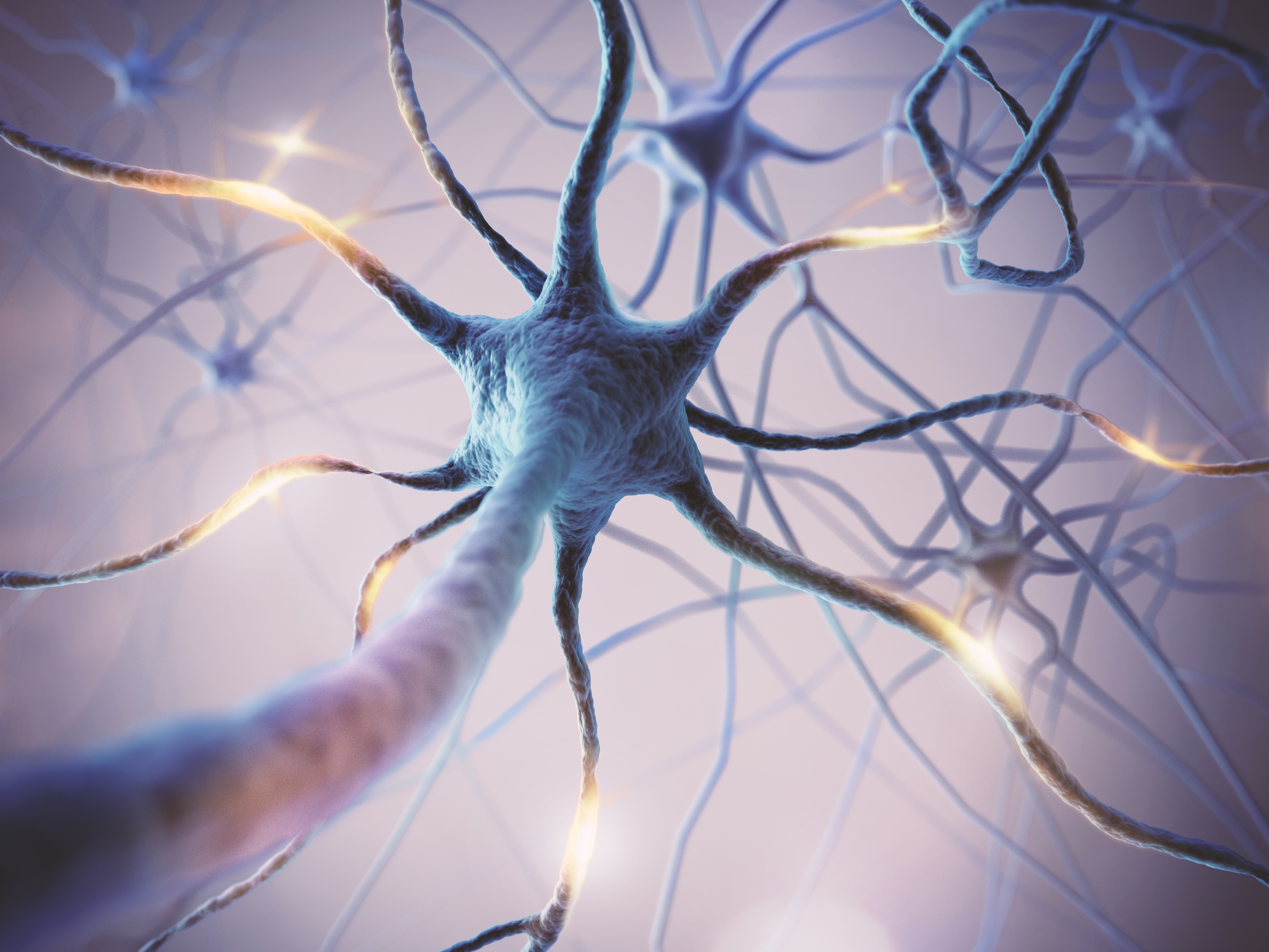
The brain's healing is limited. Each person has a limited number of neurons and Dr. Ann McKee talks about what it means when you lose them to a brain injury.
Researchers show how even mild exposure to a single blast shock wave is able to induce small but potentially very meaningful pathogenic effects that accumulate with time.