Use the filters to browse the information we have available or to narrow your search results for a specific audience (e.g. caregivers, military, children), a preferred type of content (e.g. videos, blogs, articles), or by topics of interest (e.g. family concerns, legal issues, symptoms).
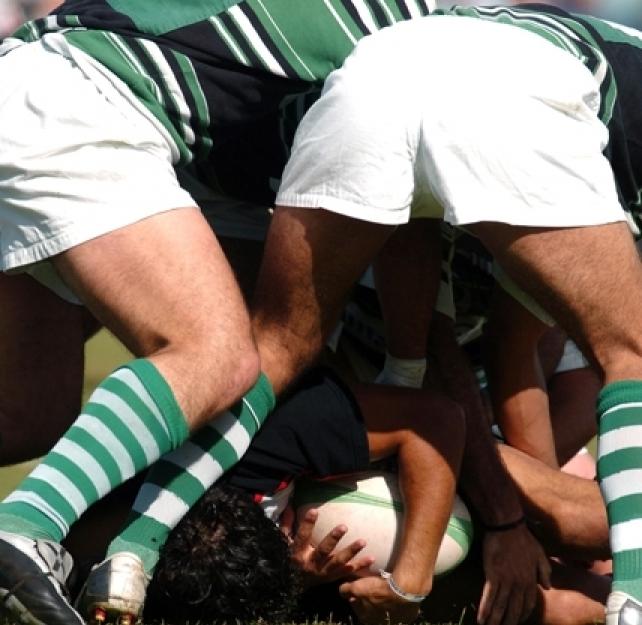
This is a tale of two boys from very different backgrounds who had one very important thing in common. They were both mad about rugby — and they both suffered from concussion.
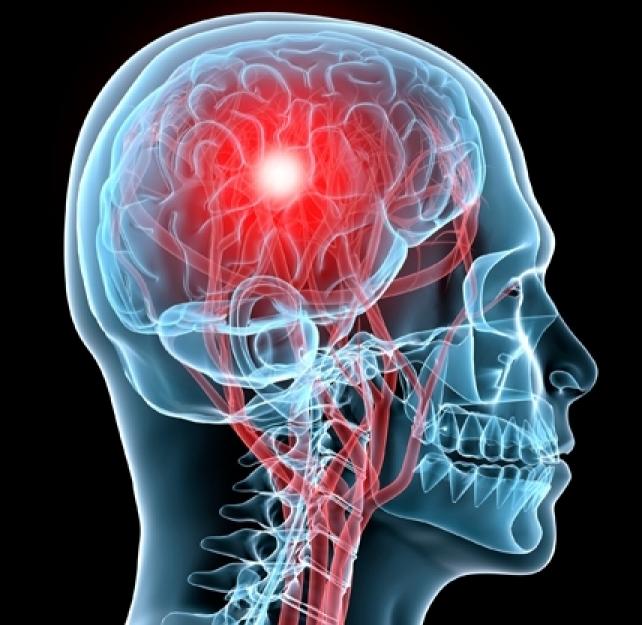
This Psychology Today blogger writes about imaging studies that show that people who sustained a mild TBI showed subtle brain abnormalities in the frontal lobes four months later.
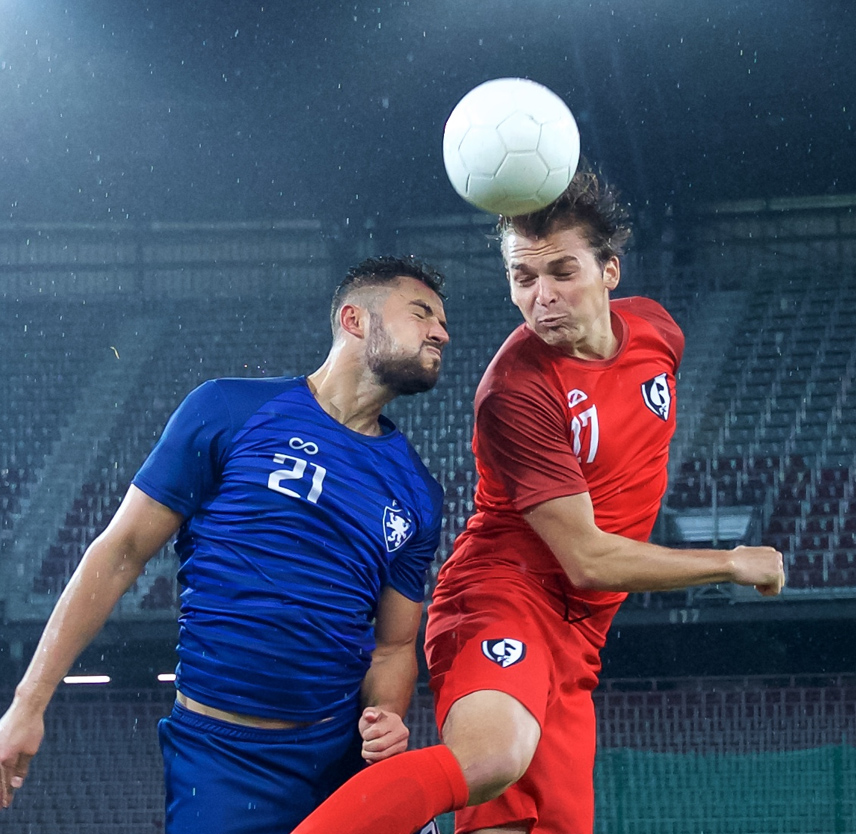
Contact with another player was the most common way boys and girls sustained concussions in a study of US high school soccer players, while heading the ball was the most common soccer-specific activity during which about one-third of boys and one-quarter of girls sustained concussions.
Your child was seen today for a concussion. Use this article to help you watch for changes in how your child is feeling or acting, and to help your child feel better.
Concussion is a common childhood injury that may lead to long-term physical, behavioral, and neurocognitive effects, affecting learning and school performance. There is increasing concern about the potential for repeat concussions among professional and high school athletes, with specific attention focused on understanding how sustaining a concussion alters future concussion risk. Addressing repeat concussion risk among youth has substantial implications for clinical practice in terms of managing exposure — particularly regarding youth sports participation — and long-term health and development.
A study to comparatively examine the effects of sports-related concussions (SRC) on athletes in Major League Soccer (MLS) and the English Premier League (EPL) in terms of incidence, return to play (RTP), performance, and career longevity.
Is concussion and/or mild traumatic brain injury (TBI) associated with a higher risk of suicide? This systematic review and meta-analysis found a 2-fold higher risk of subsequent suicide among more than 700 000 patients diagnosed with concussion and/or mild TBI, compared with more than 6.2 million individuals who had not been so diagnosed. Experiencing concussion and/or mild TBI was also associated with a higher risk of suicide attempt and suicidal ideation. These results suggest that experiencing concussion and/or mild TBI is associated with an increased risk of suicide.
Women athletes are 50% more likely than male athletes to have a sports-related concussion. Although more susceptible to concussions, the study indicates that women recover from the injury at the same rate as men.
The American Academy of Pediatrics (AAP) has updated its concussion recommendations to support children and teens engaging in light physical activity and returning to school as they recover. The report, revised for the first time in eight years, also advises against complete removal of electronic devices following a concussion.