Use the filters to browse the information we have available or to narrow your search results for a specific audience (e.g. caregivers, military, children), a preferred type of content (e.g. videos, blogs, articles), or by topics of interest (e.g. family concerns, legal issues, symptoms).
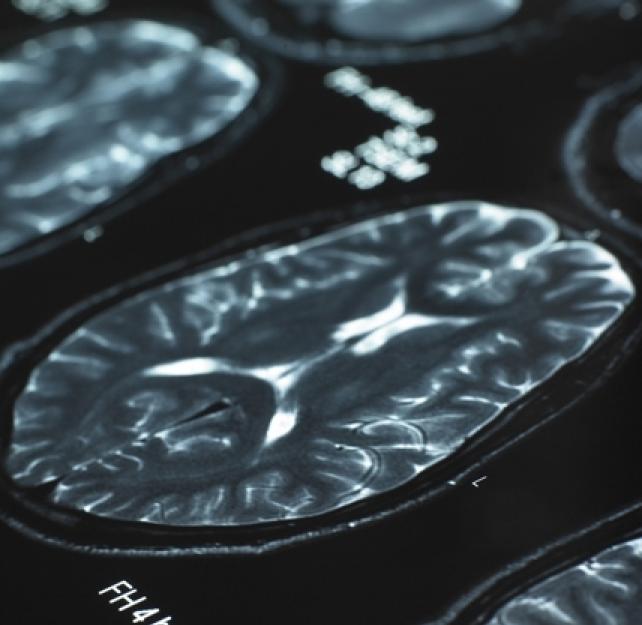
Second Impact Syndrome (SIS) can have instant, tragic consequences. Chronic Traumatic Encephalopathy (CTE), conversely, can have slow and heartbreaking consequences.
Study evaluates the use of phospho-tau levels, total-tau levels, and the phospho tau–total tau ratio as diagnostic and prognostic biomarkers in patients with traumatic brain injury.
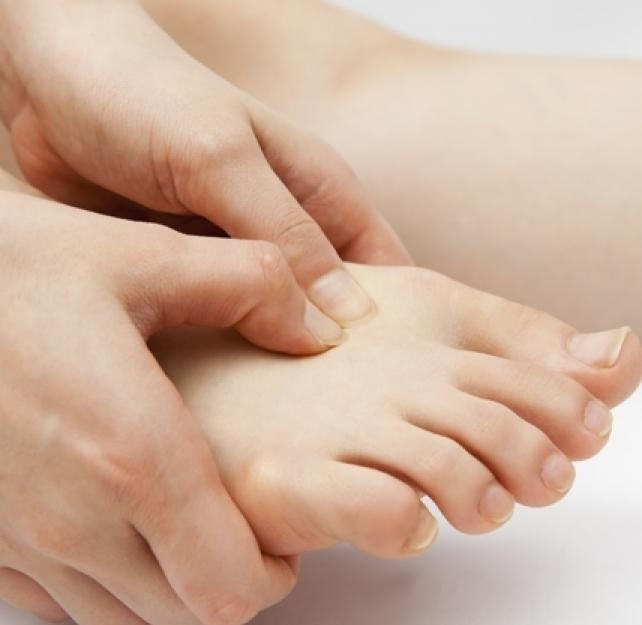
More than 50 percent of people suffer from chronic pain disorders in the years following a brain injury. Getting the right treatment can be complex, but doable.
While the fields of medicine and psychology have argued for strict boundaries between patients and their doctors, other professional bodies have begun to recognize the value of sharing their own narrative.
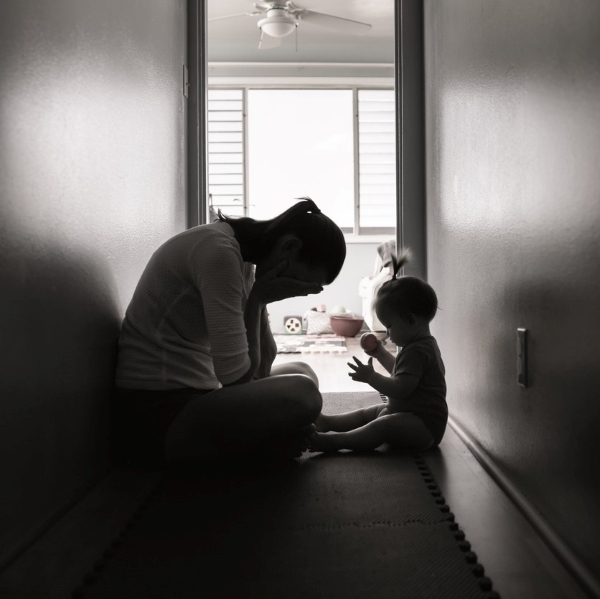
Adults who have suffered childhood trauma exhibit a higher degree of somatization (i.e., mental suffering expressed through physical complaints that may lead them to consulting a physician). A mother's trauma impacts the mother-child relationship.
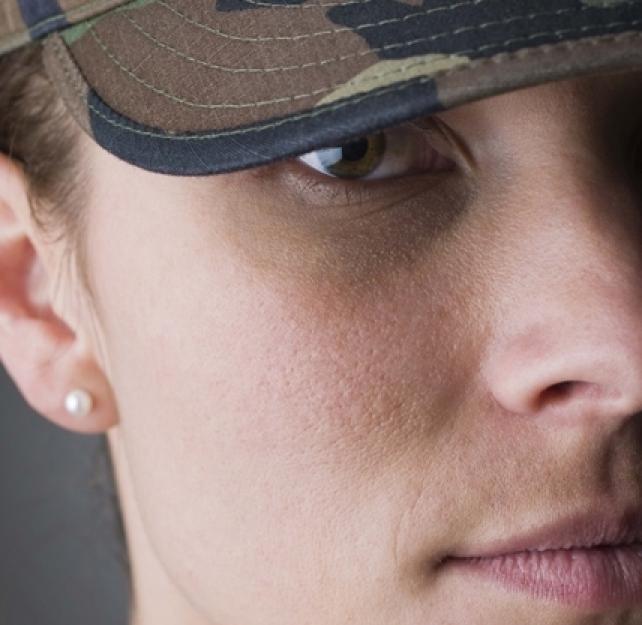
Dr. Jack Tsao talks about research on military-related CTE and what questions are being asked — from who is most susceptible to can it develop from blast injuries rather than direct hits to the head.
Dr. Robert Cantu talks about how growing research is showing that CTE not only occurs in the brains of older athletes who have sustained multiple hits to the head, but also in athletes as 17.
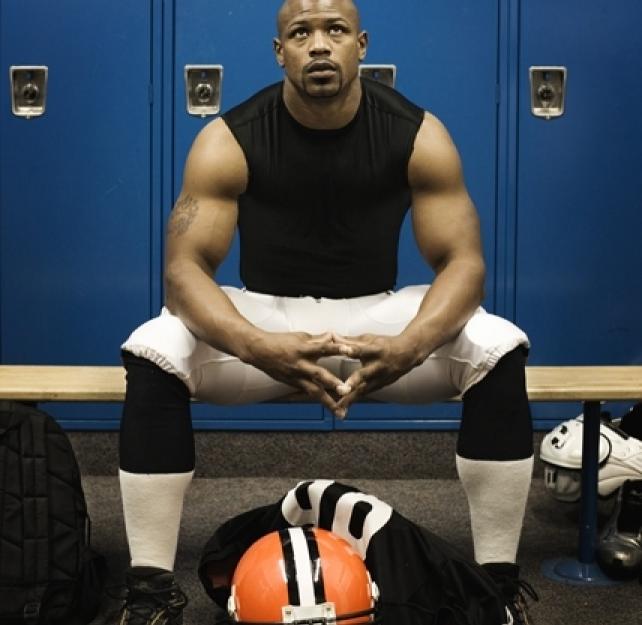
Retired NFL player Thomas Jones wonders if he will develop CTE from cumulative concussions sustained playing football, but there is nothing to do about it but exercise your brain, learn what you can, and share your life with your loved ones.
There are limits to how many times a baseball player can pitch before damaging his shoulder, but there are no limits to how many times an athlete can get hit in the head without permanent damage.
A jolt to your head also causes a jolt to your neck, headaches with neck pain are the most common types of pain after a TBI. About 50% of people with a TBI suffer from headaches.
Originally, the Home Base program focused primarily on the brain injury, itself, of service members and veterans. With time, experience, and research, the program now approaches treating brain injury from a holistic method as other issues affect brain health—neurological, cognitive, and psychological functions—like sleep deprivation, chronic pain, or co-occurring substance abuse. Treating the whole person with an individually tailored plan has provided far better outcome.