Use the filters to browse the information we have available or to narrow your search results for a specific audience (e.g. caregivers, military, children), a preferred type of content (e.g. videos, blogs, articles), or by topics of interest (e.g. family concerns, legal issues, symptoms).
Dr. Heechin Chae says that civilian providers treating military patients with TBI should always be sensitive to the fact that there may be emotional scars involved.
Dr. Heechin Chae talks about understanding what a person truly wants to focus on during his recovery and building an individualized treatment plan with those goals in the forefront.
Dr. Heechin Chae recommends that primary care physicians realize they can't take care of TBI, PTSD, and other co-morbid problems in a military patient during one appointment.
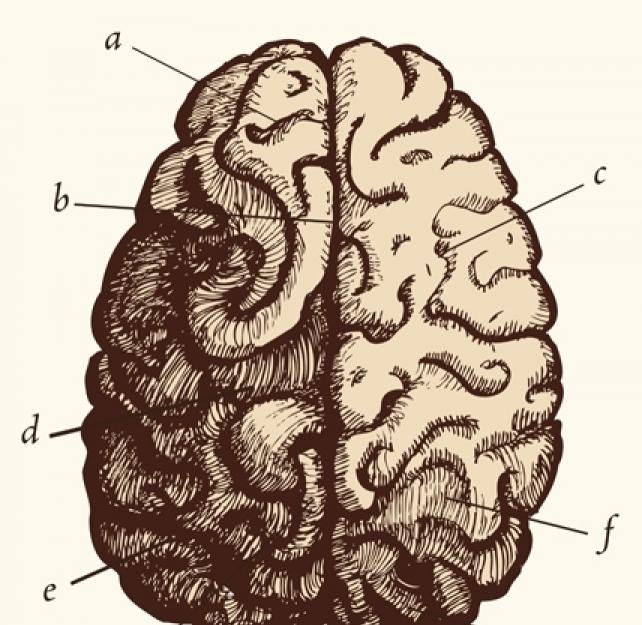
Dr. Heechin Chae talks about how a brain injury is like an earthquake in a city, changing, damaging, or destroying the roads and bridges in the city of the brain.
Dr. Anand Veeravagu talks about how the military's ability to deliver high-end acute care on the battlefield can benefit paramedics and EMTs handling acute care in the civilian world.
With more than 266,000 diagnoses of TBI from the wars in the last decade, researchers are trying to create a "common data dictionary" that better differentiates among mild, moderate, and severe injury.
Dr. Anand Veeravagu talks about how Obama's BRAIN initiative will further advancements in research for TBI, stroke, Alzheimer's and other neurological conditions to the arena of clinical care.
Dr. Anand Veeravagu explains how a blast causes a swift change in pressure that generates a wave of wind, sound, and/or debris that, in turn, can damage a person's brain through a microtrauma or microbleed.
Dr. Anand Veeravagu describes this life-saving neurosurgical procedure, performed to prevent brain damage resulting from uncontrollable swelling in the brain.
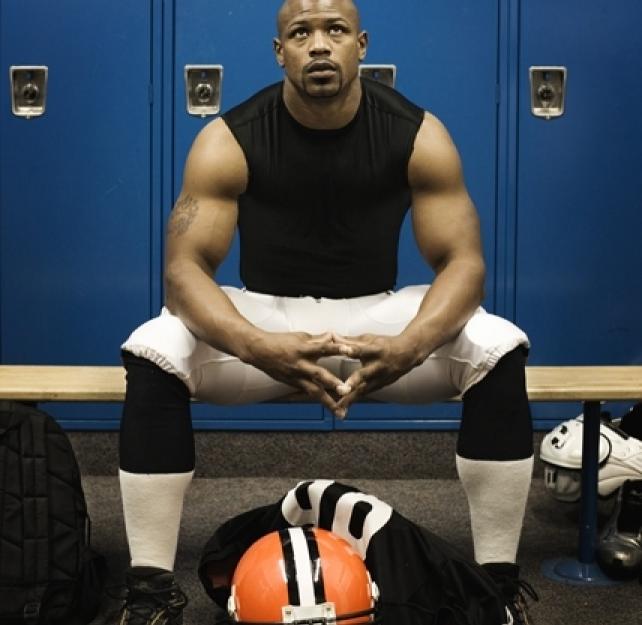
Retired NFL player Robert Griffith says he never blacked out or had to leave a game due to concussion, but he made 1,300 tackles in his career in games alone and "a lot of hitting goes on ... "
Retired NFL player Robert Griffith says rule changes in the NFL need to keep up with the fact of bigger and faster players competing on faster turf rather than grass surfaces.
Dr. Robert Cantu talks about how Commissioner Goodell and the NFL and taking aggressive action to make football safer by changing some of the rules like limiting full contact practices to only once per week and not in the off season.
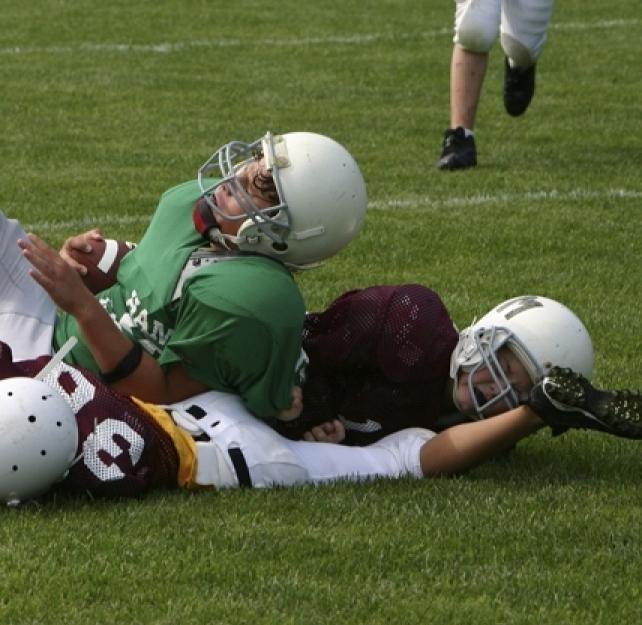
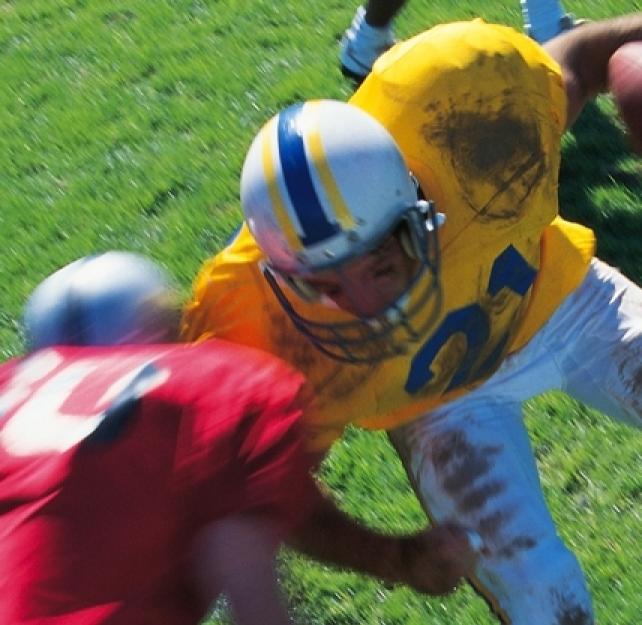
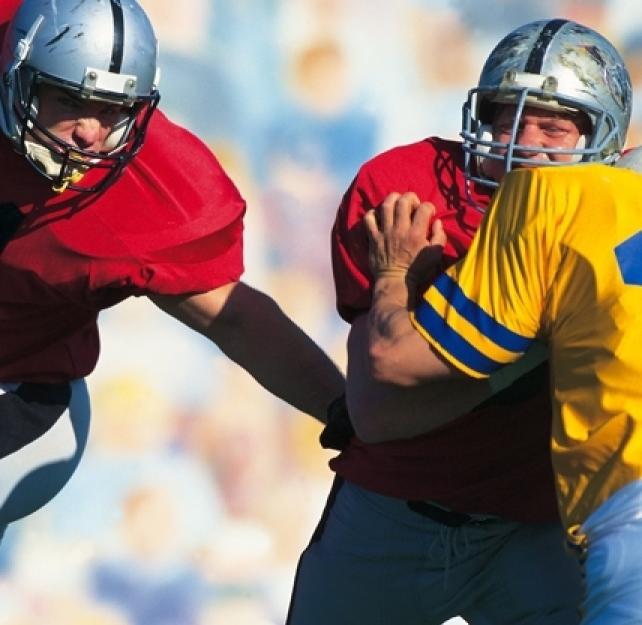
Practicing smart, changing some of the rules, institutionalizing more consistent officiating, and placing an emphasis on strengthening the neck are all ways that would help football players avoid concussion.
Dr. Robert Cantu talks about the importance of athletes having a comprehensive baseline test and neurologic assessment at the start of the season, and how those tests should ideally be administered.
Dr. Robert Cantu talks about ways kids can use simple resistance exercises to strengthen their neck muscles, which in turn helps them be less vulnerable to concussion.
Dr. Robert Cantu talks about the research being done with helmet and headband sensors as well as other tools to study the effects of subconcussive hits on athletes.
Dr. Robert Cantu talks about how growing research is showing that CTE not only occurs in the brains of older athletes who have sustained multiple hits to the head, but also in athletes as 17.
Dr. Robert Cantu talks about the various therapies to help athletes with the prolonged symptoms that often come with post-concussive syndrome which can significantly alter quality of life.