Use the filters to browse the information we have available or to narrow your search results for a specific audience (e.g. caregivers, military, children), a preferred type of content (e.g. videos, blogs, articles), or by topics of interest (e.g. family concerns, legal issues, symptoms).
"The real eye-opener was how long it has taken me to realize that the light at the end of the tunnel is not a train," says David Grant about recovering from his TBI.
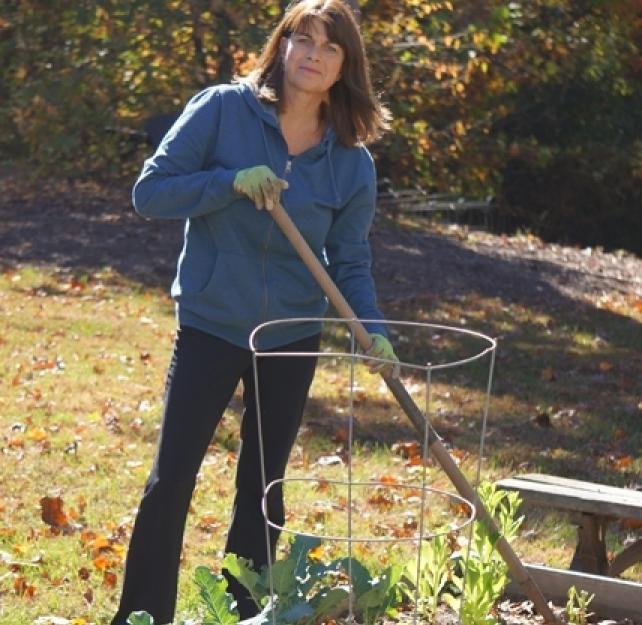
"Instead of slouching in a chair when I felt tired, I began to go outside. Pulling weeds in the garden and planting a few flowers made me feel less trapped."
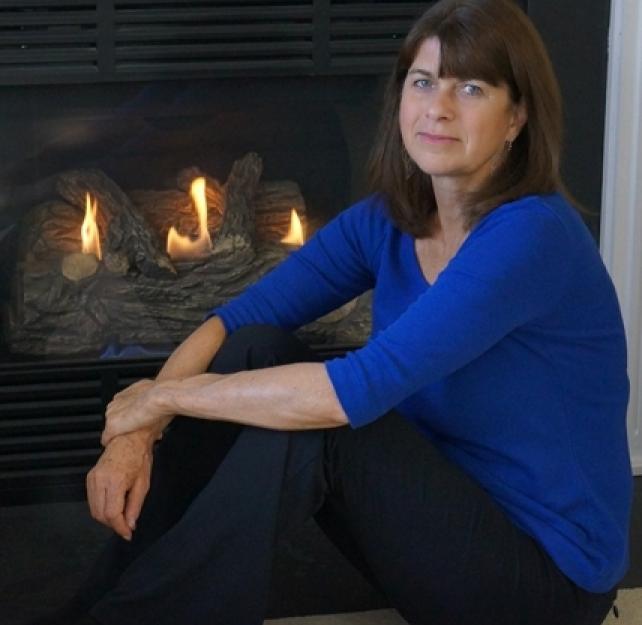
After a brain injury, these questions sometimes arise for the spouse: Should I stay married or divorce? ... Should I continue to care for my spouse, or should we live apart?
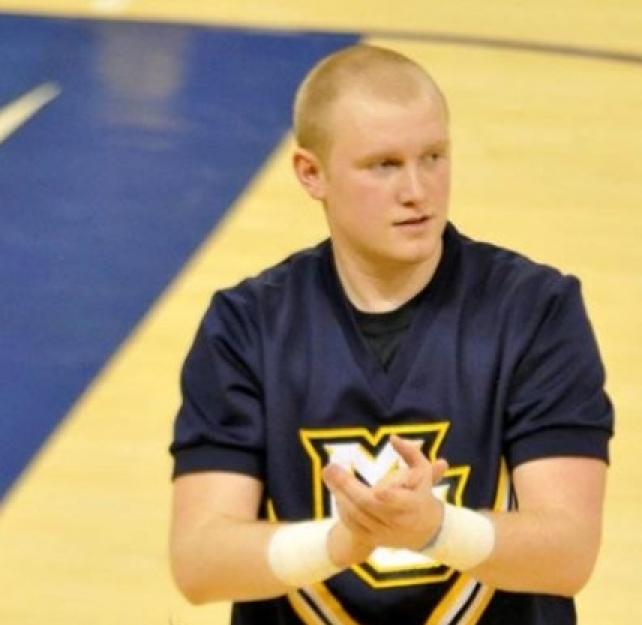
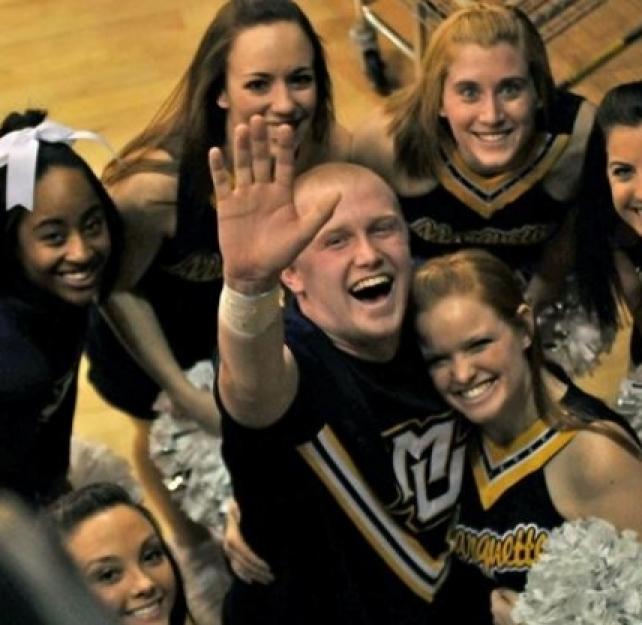
Bob Duncan whose son sustained a concussion while being a cheerleader for his college talks about what he would have done differently had he known more.
Bob Duncan talks about his son having to make the very difficult but wise decision to take a medical withdrawal from college to let his brain rest properly after a concussion.
Bob Duncan talks about the fact that even a year post-injury, his son still follows some of the doctor's guidelines like limiting his workload or exposure to TV.
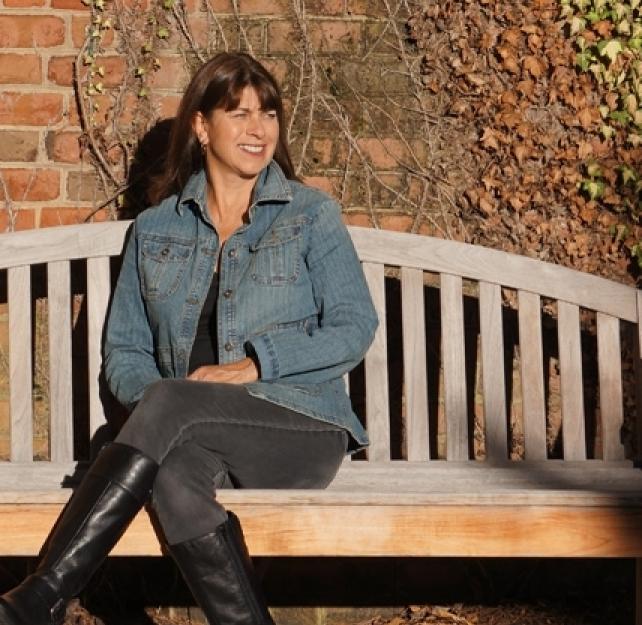
"After Hugh's crash, I felt as if I had lost my emotional North Star, the connection to my alter ego, and the person who knew me best," says Rosemary Rawlins.
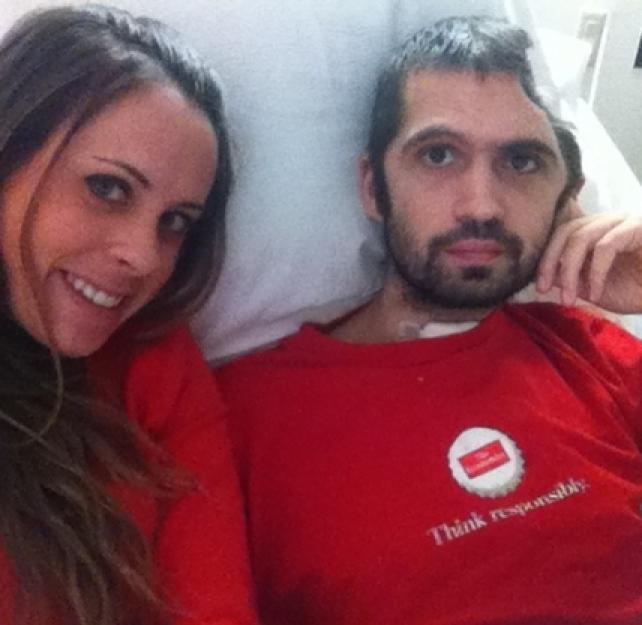
As a caregiver, Abby Maslin had to learn when to jump in and help her husband during various stages of his recovery and when to give him the space to push forward on his own.