Use the filters to browse the information we have available or to narrow your search results for a specific audience (e.g. caregivers, military, children), a preferred type of content (e.g. videos, blogs, articles), or by topics of interest (e.g. family concerns, legal issues, symptoms).
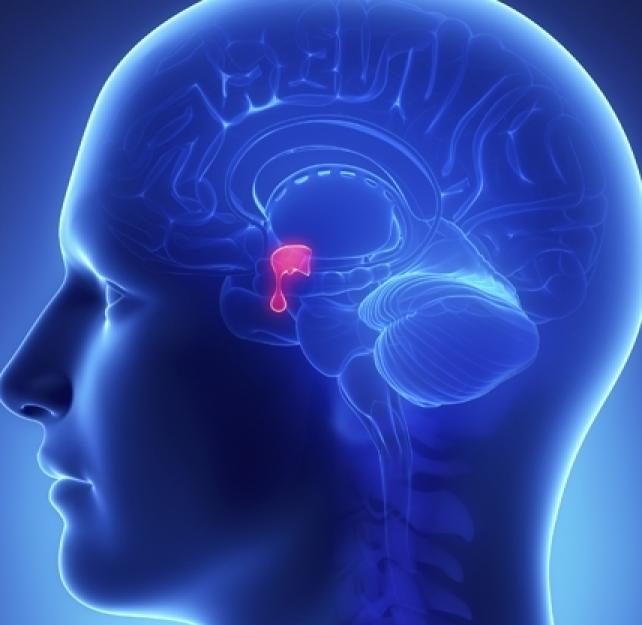
Symptoms of hypopituitarism — a condition in which the pituitary gland does not produce normal amounts of some or all of its hormones — would most likely show up soon after a TBI.
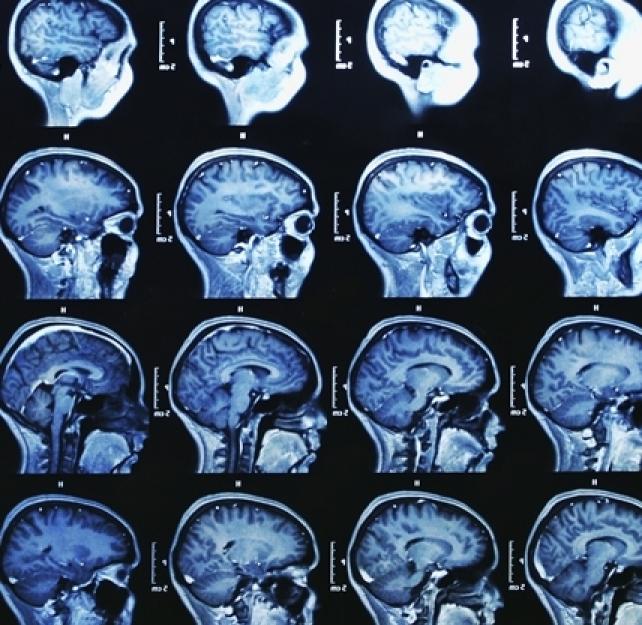
From the frontal lobe (which houses our emotions) to the amygdala (which oversees our fight or flight response), Michael Roy, MD, Col. (Ret.) explains how parts of the brain are affected when injured by brain injury or a traumatic experience.
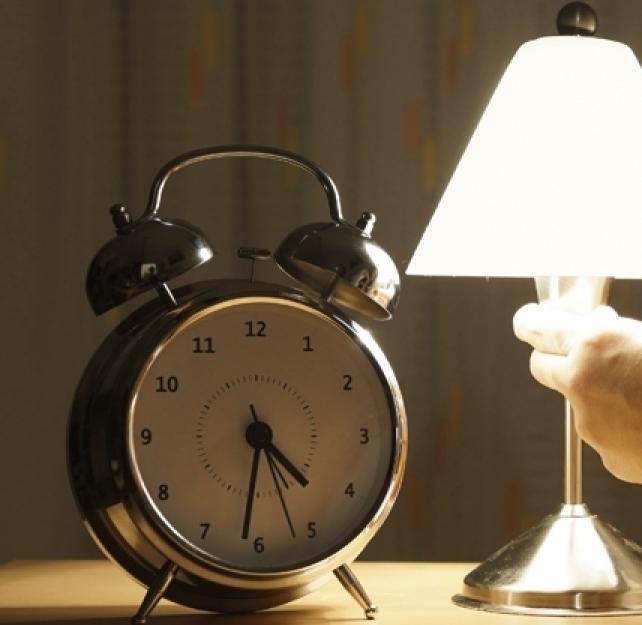
Dr. Anthony Panettiere says that sleep problems after TBI and/or PTSD are common including difficulty falling asleep, staying asleep, waking up too early, nightmares, and sleep apnea.
"You can't sacrifice sleep for a protracted period of time and get away with it," says Dr. Anthony Panettiere. Extended lack of sleep can increase mood problems, risk of accidents, and sometimes cause medical issues like heart disease and dementia.
Neurologist and sleep medicine physician Anthony Panettiere talks about how catching up on sleep can be a good fix, but not as a regular way of balancing sleep and awake hours.
Some people are long sleepers who need 10-12 hours a night while others are short sleepers, needing only 4-6. Most people, fall in the middle. TBI and/or PTSD can disrupt sleep, usually temporarily.
Neurologist and sleep medicine physician Anthony Panettiere talks about the need to get your thoughts and feelings out of the way in order to reach the imagery stage that leads to sound sleep.
Neurologist and sleep medicine physician Anthony Panettiere believes that providers who treat their patients with respect, giving validation to their symptoms, will get a more honest and accurate report of what is going on medically.
Rosemary Rawlins talks about how being a caregiver can be incredibly lonely and that finding someone in the same boat can be the buoy that you so desperately need.
"The cause of it all can’t be changed, but it doesn’t have to destroy us either," says Abby Maslin whose husband sustained a severe TBI after being attacked.
"Sometimes, the only answers to our problems lie within us.... The first step is knowing they are there, inside us, waiting to be found," says caregiver Rosemary Rawlins.