Use the filters to browse the information we have available or to narrow your search results for a specific audience (e.g. caregivers, military, children), a preferred type of content (e.g. videos, blogs, articles), or by topics of interest (e.g. family concerns, legal issues, symptoms).
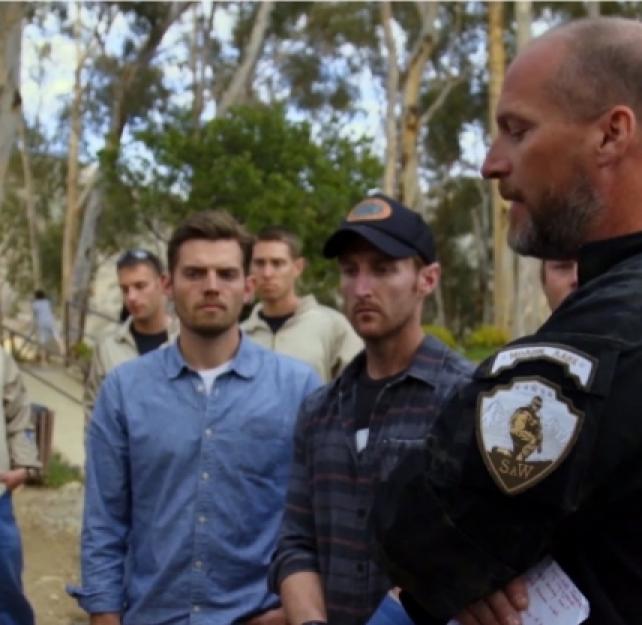
U.S. Army veteran and "Save a Warrior" founder Jake Clark explains the why the program's rope course is such an important part of war detox and how it provides a protective factor against suicide.
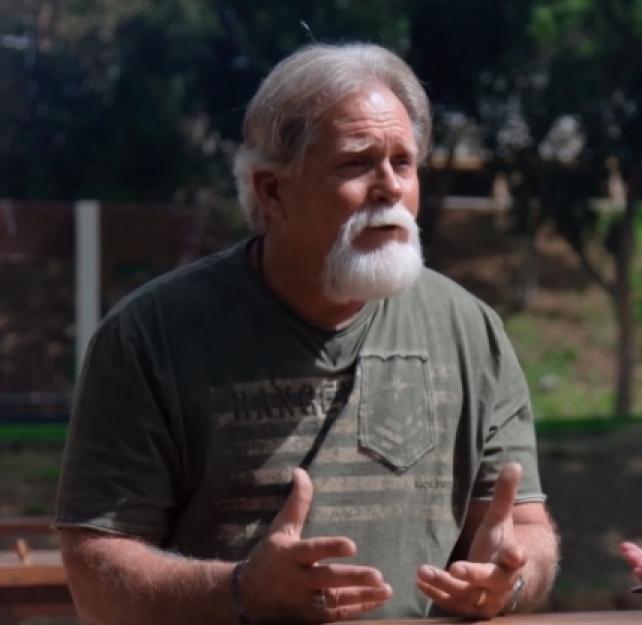
Retired U.S. Army Airborne Ranger Dusty Baxley explains how warriors can use meditation to find relief from the overwhelming barrage of thoughts and other post-traumatic symptoms like aggression, anxiety, and insomnia.
As an epidemic of suicide among veterans sweeps the country, the medical model fails to make a large enough impact. Is this war detox program the cure? U.S Army Veteran Jake Clark believes so.
This is a loaded topic for me and many others, but today I want to talk about something that came up recently regarding family who doesn’t ‘get it’ in understanding the complexities and challenges of our lives after combat.
When my husband became the one who responded emotionally to everything around him after his brain injury, I had two choices: keep reacting the way I always did and join into the downward spiral, or break the cycle and hold on tight for the ride.
Have you heard the term “new normal” lately? It’s been bouncing around for a few years and is used to describe the adjustments veterans and families go through when they return home from war. Have you ever wondered what it looks like?
When I resigned my teaching position in 2010 to stay home and care for Sean, it was devastating. ER trips were becoming part of our routine, as was calling at the last minute and requesting a sub so I could handle an emergency with Sean. As I sat listening to the ticking of the clock on the wall I was hit with my new reality: I could not continue down both these paths, something had to give.
With an injured brain, the holiday season can burden us with more fatigue, more stress and perhaps some sad emotions. We will be able to enjoy ourselves much more if we prepare ourselves for the holiday season. Here are some tips that work for me since my brain injury.
After a brain injury more, of many things, is not better. It is not better to see more things around you; it is not better to be given more choices; it is not better to have more things to do...
I can see progress. I am not who I was before my accident. I am also not who I was in early recovery. In a few years, I will not be who I am today, as the healing will continue.
Four years later, as some of the dismal fog lifts, I can see that out of fear of letting anyone down, there have been many times that I’d proudly adorned the “I’m fine” mask. The truth is, there is no way to be the same Mom, wife, daughter, sister, aunt, friend or anything after every fiber of your being has suffered radical rewiring.
I know this is a hard truth, one that many doctors and insurance companies will scoff at, one that many people might think is unrealistic, but caring for the caregiver in tandem with the person who has a brain injury is vitally important. TBI caregivers need to be educated about brain injury and what it entails.
It’s no surprise that some symptoms of brain injury include headaches and memory problems. But hearing loss may also accompany a TBI, either because the injury damages the ear or because there is damage to the part of the brain that processes sound.
Make time for yourself, so you can make time for other people and other things. Put yourself last, and you will begin to fail miserably at the roles and responsibilities you aim to fulfill.
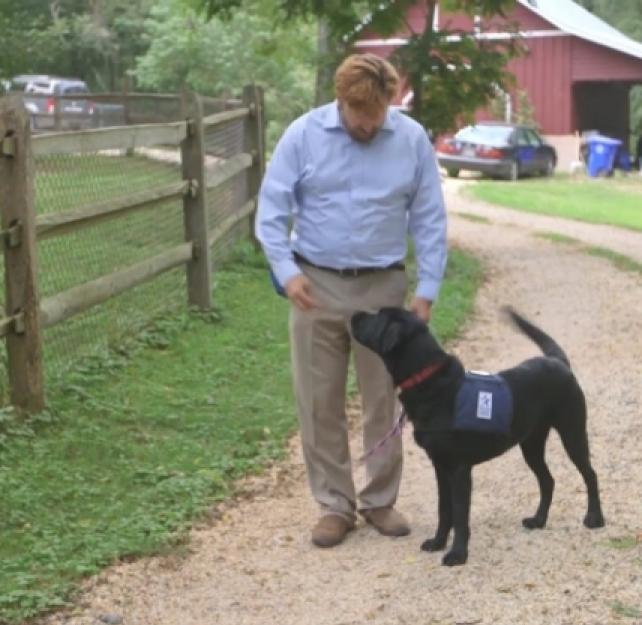
As part of his treatment plan for multiple traumatic brain injuries sustained in combat and training, Jake now trains service dogs to help veterans like himself.
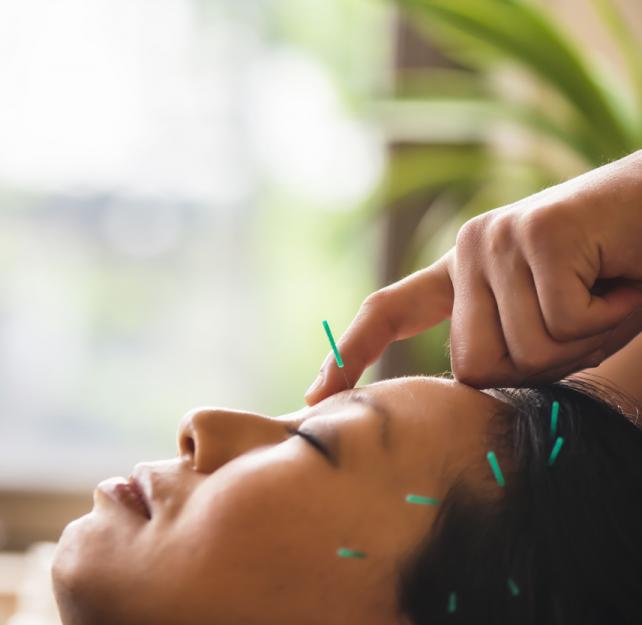
Millions of Americans use complementary health approaches. Like any decision concerning your health, decisions about whether to use complementary approaches are important. This article will assist you in your decisionmaking about complementary health products and practices.
Here’s a question well worth exploring for caregivers: Am I reacting to daily events as if in crisis mode or am I responding? After the chaos of the first days and weeks of TBI, there’s much to be done; and a lot can be at stake if things are not properly handled as time goes by.