Use the filters to browse the information we have available or to narrow your search results for a specific audience (e.g. caregivers, military, children), a preferred type of content (e.g. videos, blogs, articles), or by topics of interest (e.g. family concerns, legal issues, symptoms).
Study evaluates the use of phospho-tau levels, total-tau levels, and the phospho tau–total tau ratio as diagnostic and prognostic biomarkers in patients with traumatic brain injury.
I married an athlete, and this is part of who he is. I am trying to come to grips with my fear of repeating the past because I never want to go through anything like his TBI again. I’m not sure I could handle it. Does anyone have any words of wisdom?
First word, first step…you remember! Our plan included helping our sons through their “normal” firsts: high school, college, career, marriage, and children. Nowhere on our “normal” firsts list was finding ourselves sitting by our son’s hospital bed praying that he would live.
I can’t believe that I’m coming up on seven years out. As time continues to pass, my perspectives change, and my insight deepens. Sometimes I forget that those close to me still hurt. In the reflection of their inner pain, I see my injury for what it really is.
A new study indicates that children who develop brain injury due to non-fatal drowning often experience severe motor deficits but maintain relatively intact perceptual and cognitive capabilities.
Elise Rosenhaupt discovers that her life before her son Martin’s devastating traumatic brain injury has prepared her for helping him through his rehabilitation and recovery.
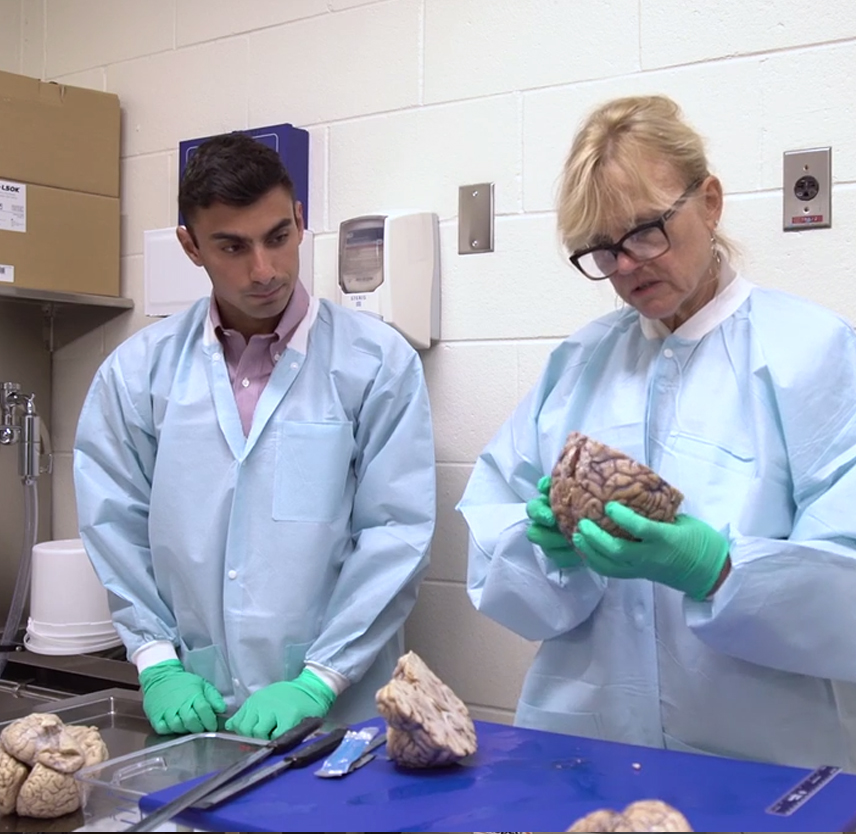
A neuropathologist has examined the brains of 111 NFL. players — and 110 were found to have CTE, the degenerative disease linked to repeated blows to the head.
When to stay? When to go? When to get professional help? These are some of the hardest questions we will face in our post-TBI lives. These are gut-wrenching decisions to make. I know that not only from my own experience, but from the network of caregivers I communicate with everyday.
There are no guarantees, but there are smart choices and strategies that can optimize recovery after brain injury The following is a list I compiled as my answer to the many people in the beginning stages of brain injury who have asked about my success over the years. I hope it helps.
Like those of us who have been at this business of life after brain injury for a long time, I am aware of the stages that we go through. I know that I am experiencing "recurring grief." During these times it can be very hard to “find the good and praise it..."
Navigating the medical waters isn’t easy for anyone, but it can be particularly complicated and overwhelming for those of us who live with a brain injury. David Grant offers advice from his own experience.
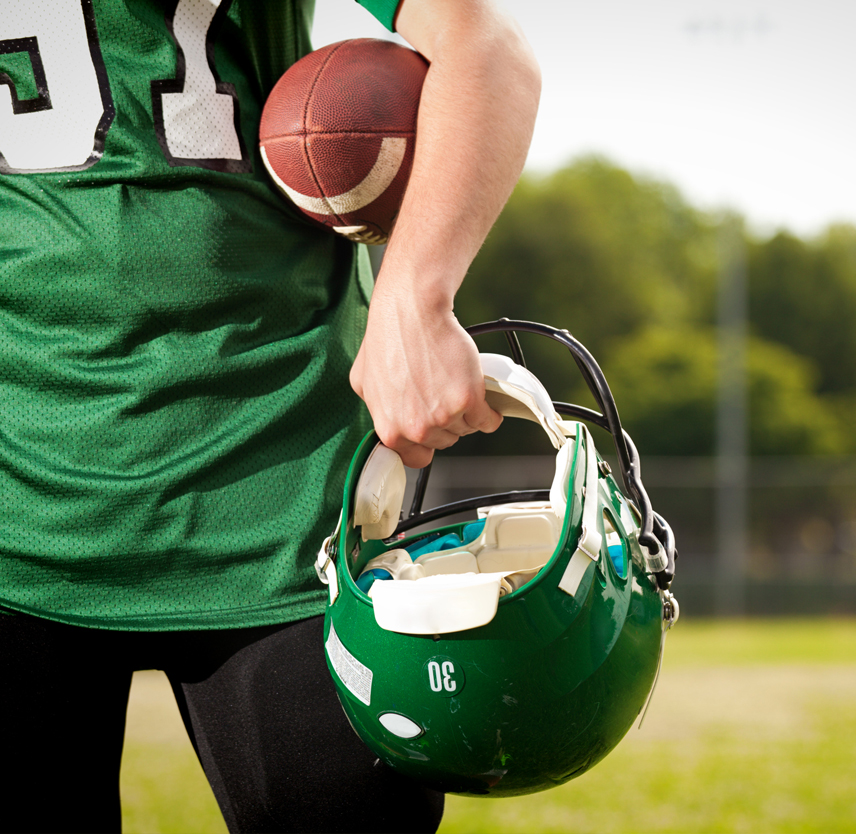
Does playing high school football have a statistically and clinically significant adverse association with cognitive impairment and depression at 65 years of age?
It is increasingly recognized that moderate to severe traumatic brain injury increases the risk for dementia in older adulthood. Whether mild TBI is associated with increased risk of dementia is less clear, especially because fewer prospective studies have focused on mild TBI. This is an important gap in the field, especially because concussion is relatively common, among both the general population and certain groups such as athletes and military service members.
I’ve been fortunate to have a few personal encounters with people who are rocking the boat of brain injury awareness, and from them, I’ve gathered some valuable pearls of wisdom. Here they are...
A brain injury can affect just about everything — including the way you walk, talk, and think. That's why there are a number of treatments available that attempt to restore the parts of life that have been affected by a brain injury.