Use the filters to browse the information we have available or to narrow your search results for a specific audience (e.g. caregivers, military, children), a preferred type of content (e.g. videos, blogs, articles), or by topics of interest (e.g. family concerns, legal issues, symptoms).
Dr. Anand Veeravagu describes this life-saving neurosurgical procedure, performed to prevent brain damage resulting from uncontrollable swelling in the brain.
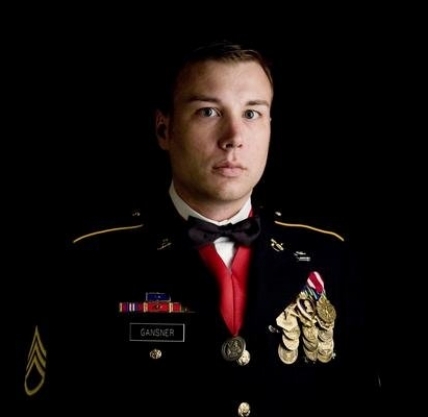
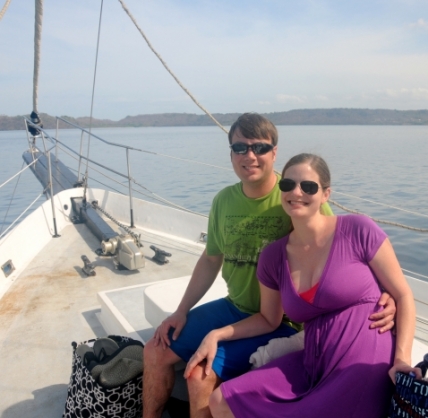
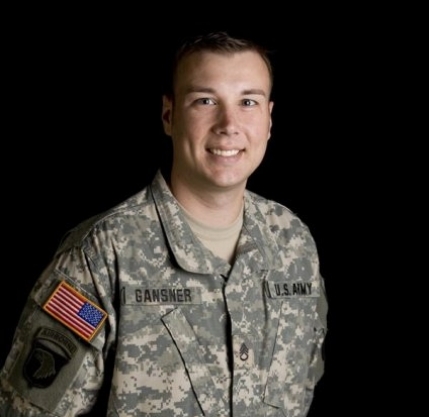
Caregiver Cheryl Gansner talks about her husband's fifth "alive day" — the day an IED ripped his legs apart and left him with a TBI and PTSD. The day he nearly died.
"I used to think that if I was quiet as a mouse, my Mommy would be okay, but that’s not true. My Mom has PTSD." Read this book, written for kids who have a mom with PTSD.
"I used to think that if I was quiet as a mouse, my Daddy would be okay, but that’s not true. My Mom says my Dad has PTSD." Read this book, written for kids who have a dad with PTSD.
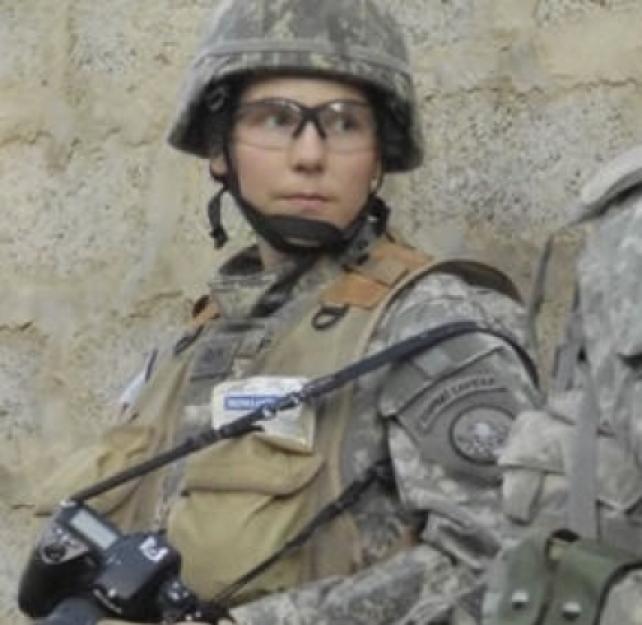
As a combat photographer, Staff Sgt. Stacy Pearsall received numerous physical injuries and experienced PTSD from the events she witnessed. With help from a friend, she found the help she needed.
The last thing Samuel Console, a retired Pennsylvania Army National Guard lieutenant, remembers after the explosion in Iraq was an orange flash of light. It wasn't until six years later he was diagnosed with brain injury.
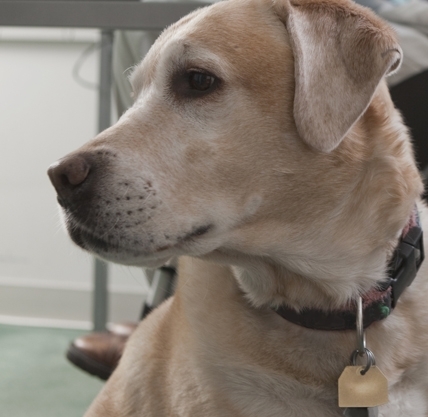
Luis Carlos Montalvan is a decorated war veteran with PTSD and a TBI sustained while serving two tours in Iraq. Here's what his service dog, Tuesday, might say if he could talk.
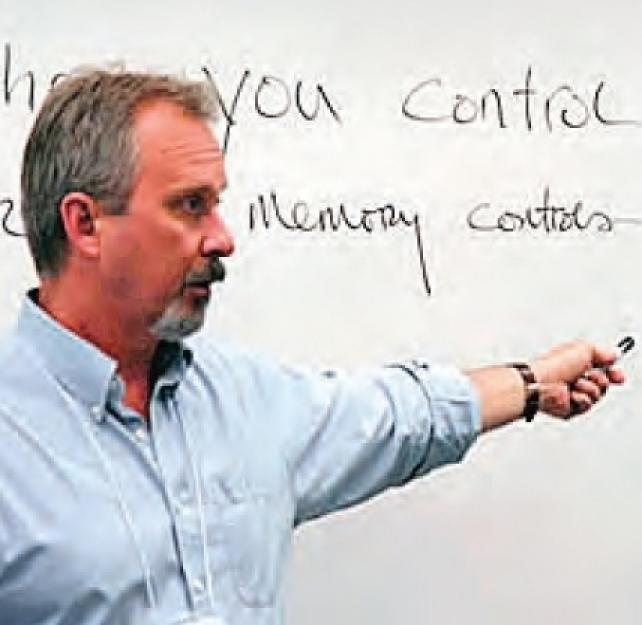
Navy Capt. Paul S. Hammer, director of the Defense Centers of Excellence for Psychological Health & Traumatic Brain Injury talks about why the brain is the most important organ in the human body.
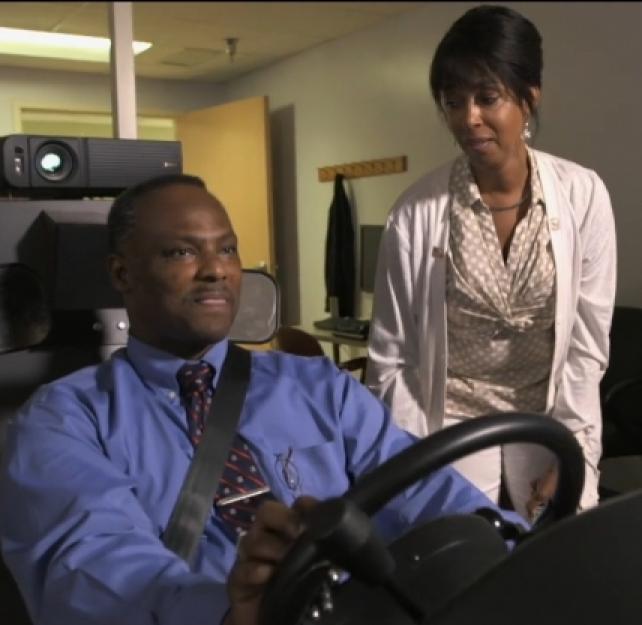
Michael Roy, MD, Col. (Ret.) explains how the Virtual Iraq/Afghanistan technology uses sights, smells, and sounds to help service members and veterans deal and overcome the very intense symptoms of PTSD.
Michael Roy, MD, Col. (Ret.) talks about the various means to diagnose PTSD from evaluations and checklists, which rely totally on a person's self-report, to functional MRI imaging and psychophysiological techniques.
Cognitive Behavioral Therapy can help people with PTSD look at their behaviors and then use strategies, like relaxation techniques, to overcome the fears and anxieties related to their traumatic experiences.
"Medicines seem to help about 50% of people with PTSD," says Michael Roy, MD, Col. (Ret.). "But I see them as a band-aid; they can smooth things over but they don't deal with or help solve the underlying causes."
Exposure therapy — asking patients with PTSD to close their eyes, imagine themselves back in that traumatic situation, and retell their story — is inherently difficult for people with PTSD, but confronting fears can also be the key to the cure.