Use the filters to browse the information we have available or to narrow your search results for a specific audience (e.g. caregivers, military, children), a preferred type of content (e.g. videos, blogs, articles), or by topics of interest (e.g. family concerns, legal issues, symptoms).
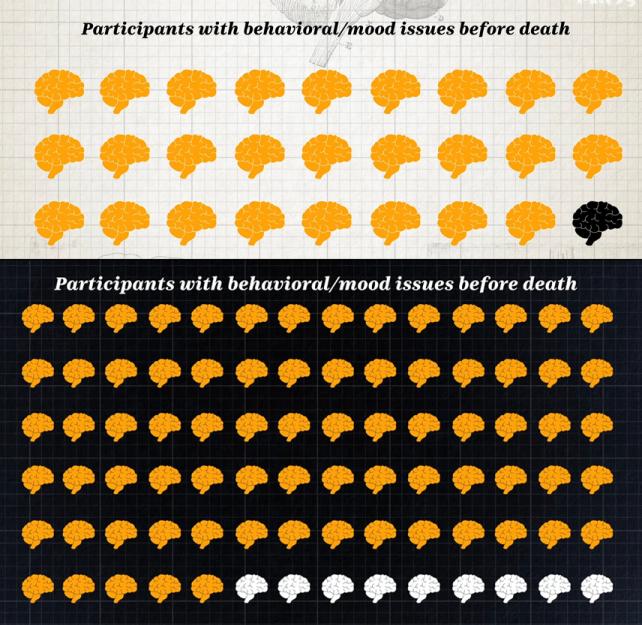
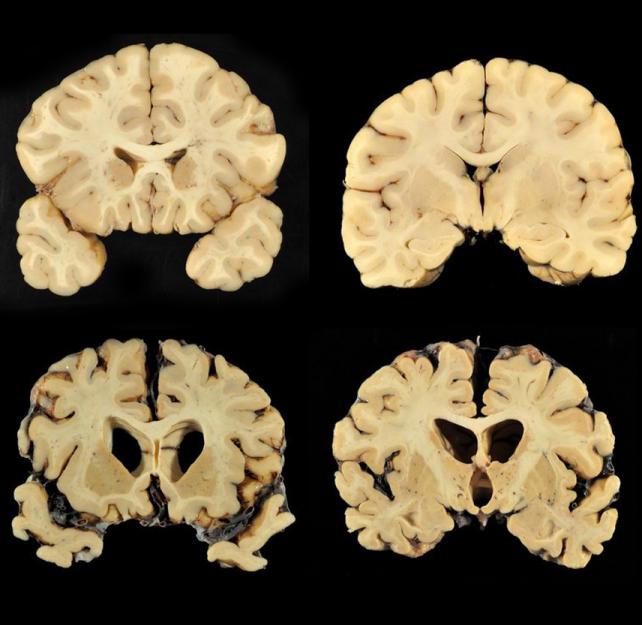
USA Today's Just the FAQs explains Chronic Traumatic Encephalopathy, a neurodegenerative brain disease found in people who have experienced repetitive hits to the head.
I wish I had found Alix Kates Shulman’s memoir "To Love What Is: A Marriage Transformed" in the first month of my husband’s severe TBI, and yet I may not have absorbed it the way I did reading it fifteen years post-injury.
Dr. Jeffrey Kreutzer talks about why it's important to talk openly with people affected by brain injury about emotional and psychological recovery in addition to medical and physical recovery.
When it comes to brain injury, it's difficult to make predictions about a person's recovery. This uncertainty, unfortunately, creates a lot of anxiety for families.
There is a process that survivors go through while adjusting to their injury. Dr. Kreutzer explains what this is like from the survivor's point of view.
Sometimes people think that they will not be strengthening their memory if they rely on a compensatory strategy; however, they are actually helping to make their memory stronger by using that technique.
Memory problems can be a source of distress not only for people with brain injuries but also for the people they live with. The problem is that many people don't understand memory problems.