Use the filters to browse the information we have available or to narrow your search results for a specific audience (e.g. caregivers, military, children), a preferred type of content (e.g. videos, blogs, articles), or by topics of interest (e.g. family concerns, legal issues, symptoms).
Post-traumatic growth (PTG) means many who experience trauma can come out stronger as a consequence. Here are some positive changes you might see after trauma.
The consequences of mild traumatic brain injury turn worlds upside down. Headache, double vision, and balance difficulties are the most obvious problems, but less visible symptoms can be the most insidious and difficult to manage.
Though solutions come in unexpected places, I never expected my local Target store to hold to key to freedom from one of my biggest challenges since my brain injury – living with Post Traumatic Stress Disorder.
For the past 14 years, I’ve been living a reasonably productive life with a brain injury. All things considered, I’ve done pretty well except for one big stumbling block.
Acupuncture can be highly effective in treating a wide range symptoms associated with traumatic brain injuries, such as depression, anxiety, insomnia, and headaches.
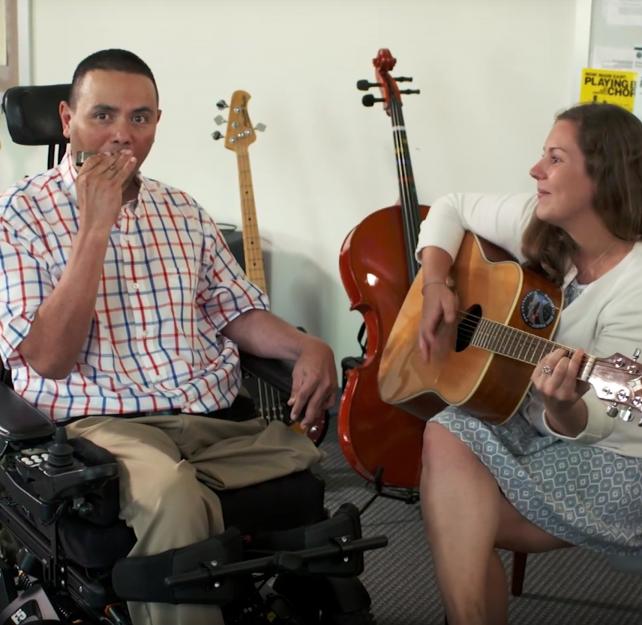
Music therapy is an evidence-based therapeutic application for the treatment of brain and psychological injuries such as TBI and PTSD. Substantial scientific evidence supports how and why music therapy works, but it also can be understood intuitively.
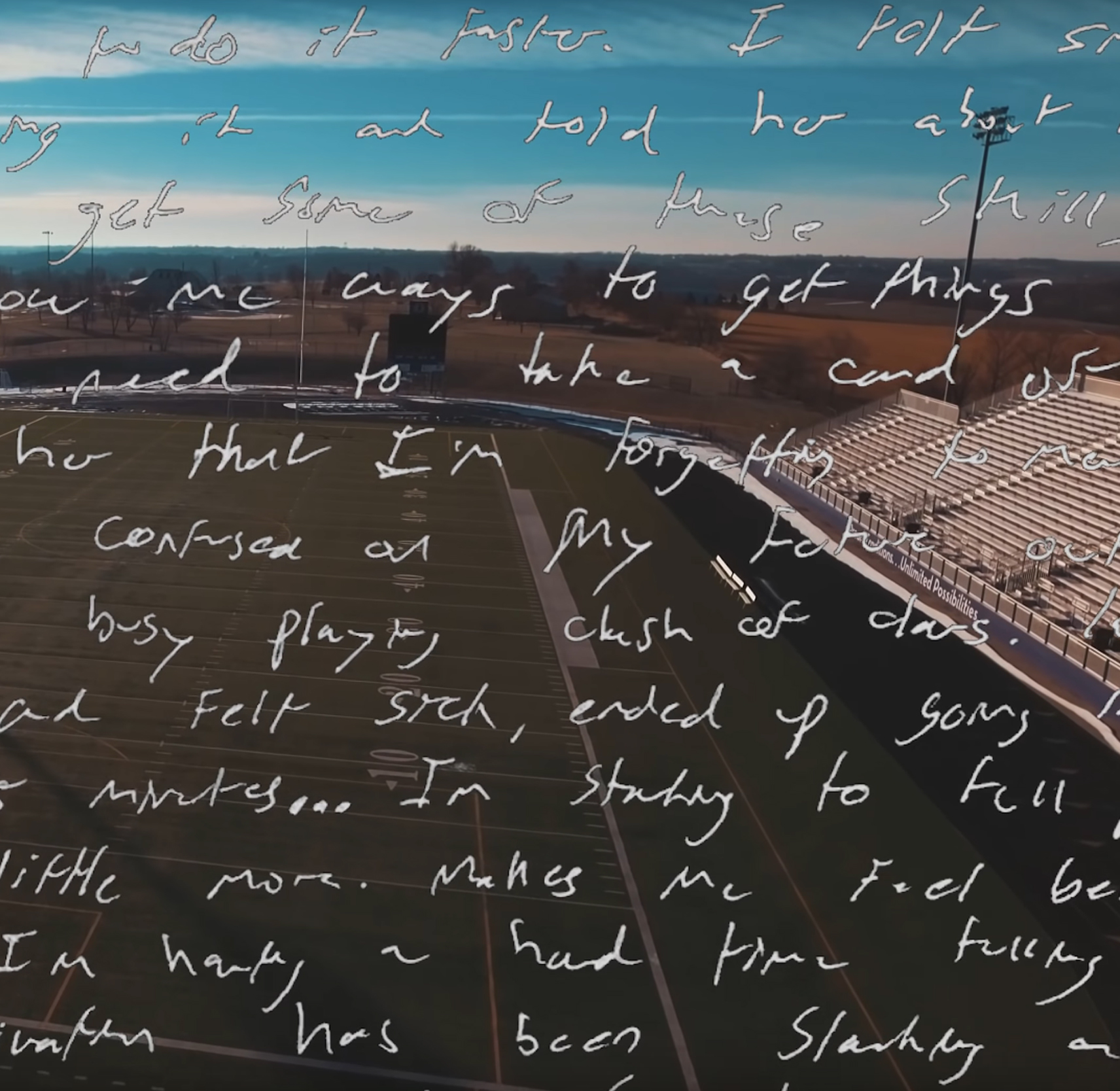
Zac Easter knew what was happening to him. So he decided to write it all down—to let the world know what football had done to him, what he’d done to his body and his brain for the game he loved. And then he shot himself.
It’s time to put a label on one of my biggest fears as a brain injury survivor: Backsliding. Over the last couple of months, I began to fear that this was happening to me until another survivor shared with me that lack of sleep exacerbated brain injury symptoms. And in two ticks of a clock, the lightbulb went on over my head.
As the years pass, things get easier, life gets easier. But brain injury is patient. Every now and then, life happens, and my brain injury challenges come back to the forefront. It’s like my injury says to me, “Knock, knock, I’m still here!”
Kara was growing up and thinking about the future. She would tell us, "I want my own life. I want my own house when I grow up." So I began going to conferences that focused on people with disabilities and became intrigued with technology. As Kara grew into young adulthood, technology became the key that would open the door to her independent life.
Early on, I thought that all brain injuries were traumatic. Over time, as I moved through Brain Injury Academy, I learned that there are traumatic brain injuries as well as acquired brain injuries. While the root causes are vastly different, the aftermath is the same. It’s akin to different lyrics set to the same music.
After the accident, we knew nothing would be the same, but we were not prepared for how strongly our emotions would swing during holidays and changes of seasons.
Momma was told, "You should make arrangements for a nursing home" due to my broken neck and the massive injuries to my brain. Fast-forward eleven years later, and with lots of hard work on my own, with determination, and by never quitting, I now live my life to the fullest that I am able to handle.
Model system study finds that foreign-born Hispanics living in areas with many foreign language speakers had greater productivity at one-year post-injury.
My biggest fear was laid out in front of me: What if my most difficult brain injury challenges return with a vengeance? I don’t want to be “that guy” who did well for years, only to sink back into the abyss. It happens to others, and it could happen to me.