Use the filters to browse the information we have available or to narrow your search results for a specific audience (e.g. caregivers, military, children), a preferred type of content (e.g. videos, blogs, articles), or by topics of interest (e.g. family concerns, legal issues, symptoms).
Predatory practices are common around military bases. Young servicemembers and those in transition — either moving from base to base or preparing to separate or retire from active service — are easy targets. As soon as you pass the gates off base, you see “Pay Day Loans!” and “Buy Now! Pay Later!” Like servicemembers, veterans are also targets.
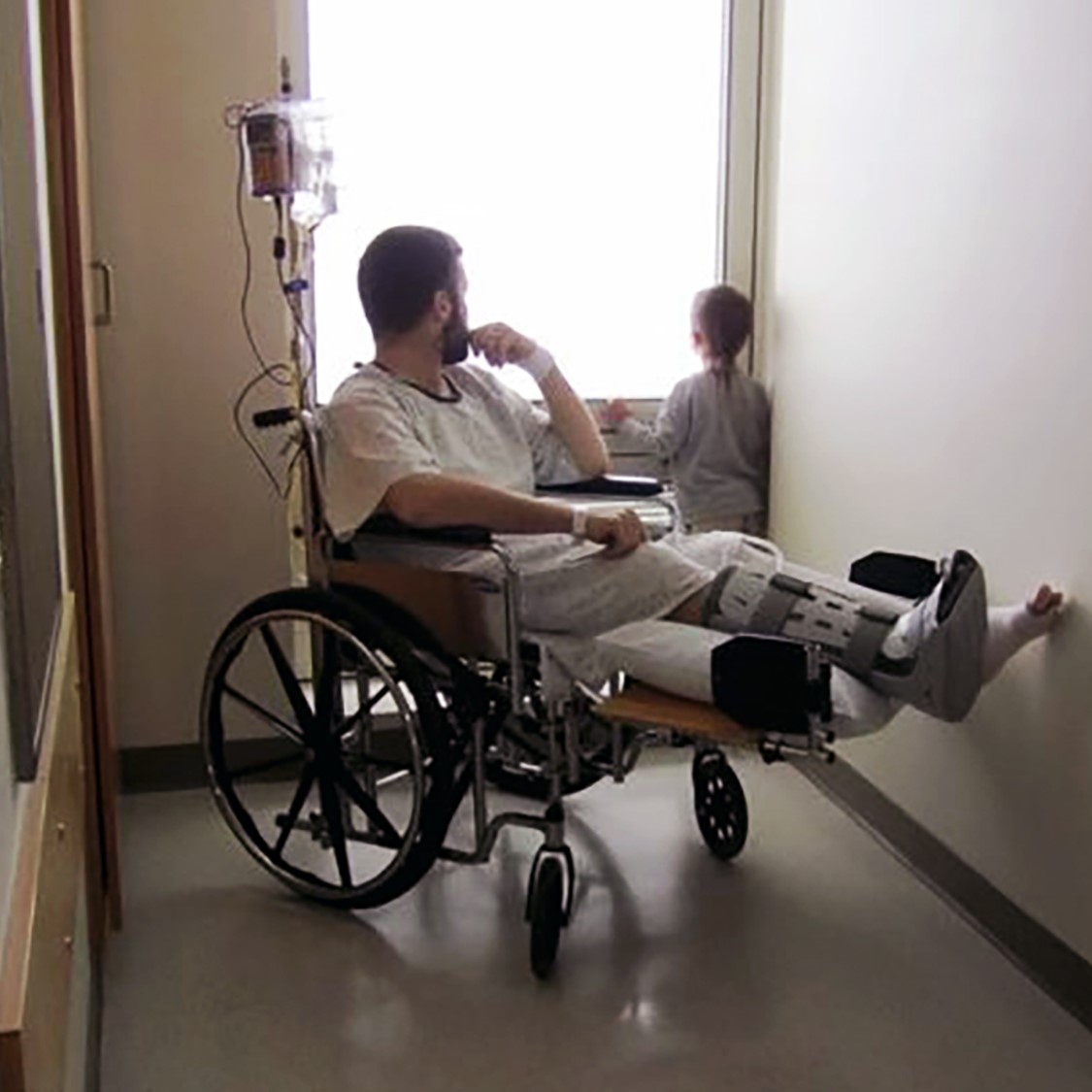
U.S. Navy Ensign Timothy Bleigh clearly recalls when the bomb went off. The Mine-Resistant Ambush Protected (MRAP) tactical vehicle flipped several times through the air before it landed partly on its roof. Bleigh shares his story and reflects on how his difficult recovery, which included a Traumatic Brain Injury (TBI), influenced how he approaches patient care.
Creating boundaries can feel awkward or wrong when you first start setting them. You might even get pushback if you haven’t done it before. But don’t stop.
At the end of the day, I don’t really care why playing a role at the Renaissance Festival alleviates some of my husband, Russ's symptoms of PTSD, I am just glad it does!
Triggers are weird. A seemingly innocuous thing happens or there is a tiny deviation from routine and you or your loved one loses it. From the outside, it seems like a total overreaction but for the person who has been triggered, it is a fight-or-flight response.
I need to be more open about who I am. All of me. I cannot be afraid. I won’t hide anymore. Now, I will be my true self. And I’m ready to stand with anyone else who feels the same.
Over the last couple of years, I’ve discovered mindfulness and have learned the value of living life “in the moment.” It’s a learned skill that has enabled me to find peace in my life. In what amounts to almost an irony, I no longer have much of my past to recall. The future never really comes. By circumstance, rather than any virtue, I am now forced to live in the moment.
This month has been a whirlwind of pain, triggers, and generally not great behavior from both Russ and myself. Our eldest daughter, Elizabeth Shade-Ware, died unexpectedly in her sleep. Suffice it to say, I am a wreck...
Sometimes it feels like I am a single parent. That breaks my heart to say because my husband really is a fantastic parent as long as he’s not triggered or having a chronic pain flare-up.
If there’s one thing that is all but guaranteed after a brain injury, it’s uncertainty. So much of what we face as survivors is unique to the brain injury community. Brain injury is often — but not always — invisible to others and no two brain injuries are alike. The challenges I face are often different from those other survivors face. Often invisible, and always unpredictable, brain injury is a unique confluence of challenges.
But this is how I’ve been feeling about the holidays this year. I just don’t want to. There is so much going on at home, at work, and in the world, and it’s all weighing heavily on my mind. There is just too much!
It is with profound sadness that I share that someone very dear to me is nearing death. In fact, he may not still be with us by the time this is published. As one of the most cherished relationships in my life, his imminent death is kicking the legs out from underneath me.
Thanksgiving is a uniquely American tradition that includes feasting and sharing all for which we are grateful. But this year, I’m just not feeling it. There’s too much weighing heavily on my mind.
I almost died giving birth. I don’t talk about it much because I didn’t die. I am here. Baby just turned 6 and her little sister is 4. They are thick as thieves and their dad and I are over the moon. But I almost died.
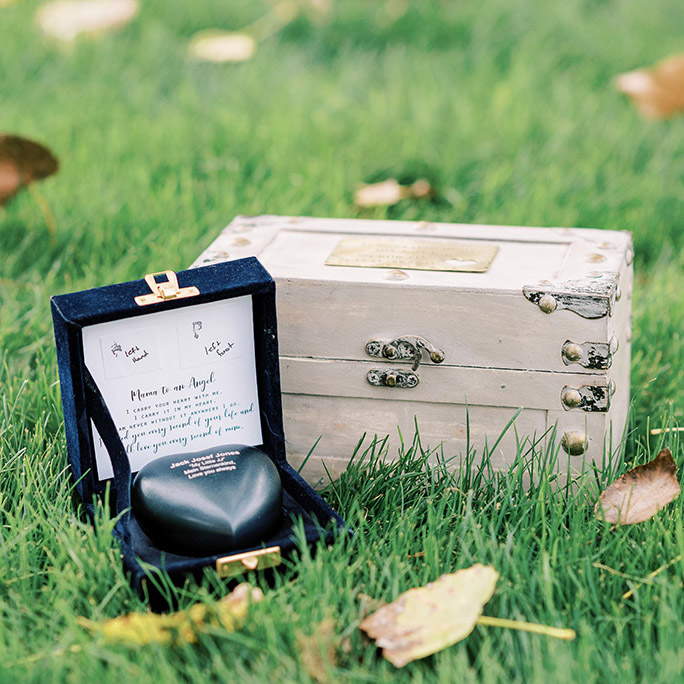
“During pregnancy, a mother celebrates the journey with family and friends — think baby names, baby showers, nurseries, tiny clothes … smiles from strangers and proud hands on an ever-expanding belly. The journey of being pregnant is both personal and public. So, what should be one of the most magical experiences shared with family, friends, and colleagues becomes one of private emotional and physical trauma in a closed room, an experience that is then often not acknowledged nor spoken about. The mother returns home still looking pregnant, her hormones still acting as if she is pregnant, but her arms and heart are empty.”
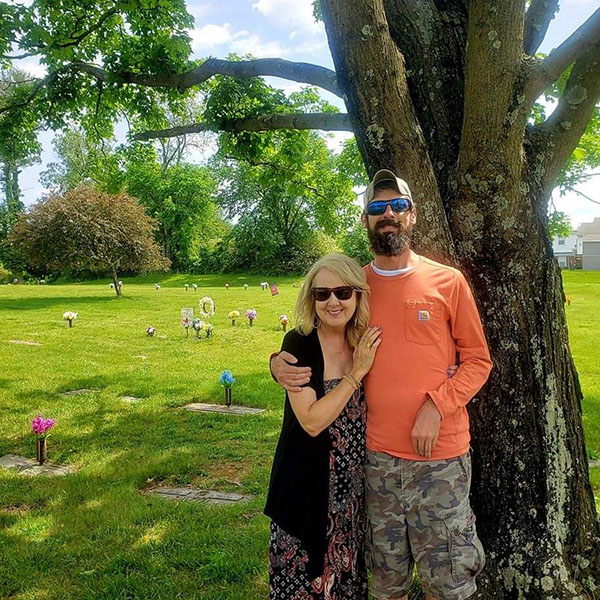
September is Suicide Prevention Awareness Month. If you are military-connected then you know the 22-veterans-a-day average. You’ve seen the blue ribbons plastered everywhere on base/post. If you are a veteran or caregiver, you’ve seen similar posters at the VA. You’ve probably gone to an annual suicide prevention training or two. You know the signs, you know what to look for and what to do if you are worried about someone’s safety. But nothing can truly prepare you for when it happens.
The more I start to recognize what I am feeling — both physically and emotionally — the more I can speak up for myself, and advocate for what I need. It is not easy, and not something that everyone wants to hear, but I need to care for myself, too.
It’s not always heavy metal or even hard rock, but it is usually very loud, with a driving beat. Why? What is it about that thumping bass that veterans, at least in our circle of friends, seem to love blasting at top volume? Is it their battle cry?
I think what’s crucial to understand is that we are not our emotions. I read somewhere that if you visualize yourself standing behind a waterfall, you can watch your emotions, one by one, fall with the water. They come, they go, they wash over you, but they are not you.
I have been speaking with veterans and military family members for BrainLine’s Veteran Voices series. They tell us their stories in an attempt to help anyone who might be experiencing issues with PTSD/TBI. Working with BrainLine has also made me realize just how much trauma occurs both during military service and before.