Use the filters to browse the information we have available or to narrow your search results for a specific audience (e.g. caregivers, military, children), a preferred type of content (e.g. videos, blogs, articles), or by topics of interest (e.g. family concerns, legal issues, symptoms).
What is neurofatigue? How does it affect people with brain injury (TBI)? Find out what it is, what it feels like, and what you can do to help mitigate symptoms and start to feel better.
Certified Rehabilitation Counselor and Brain Injury Specialist Allison Tebbe discusses how "Community as Intervention" works to help and heal veterans living with brain injuries and post-traumatic stress (PTSD).
Certified Rehabilitation Counselor and Brain Injury Specialist Allison Tebbe discusses the origins and evolution of Bastion's programs like Headway. She describes the benefits and success of "Community as Intervention."
Predatory practices are common around military bases. Young servicemembers and those in transition — either moving from base to base or preparing to separate or retire from active service — are easy targets. As soon as you pass the gates off base, you see “Pay Day Loans!” and “Buy Now! Pay Later!” Like servicemembers, veterans are also targets.
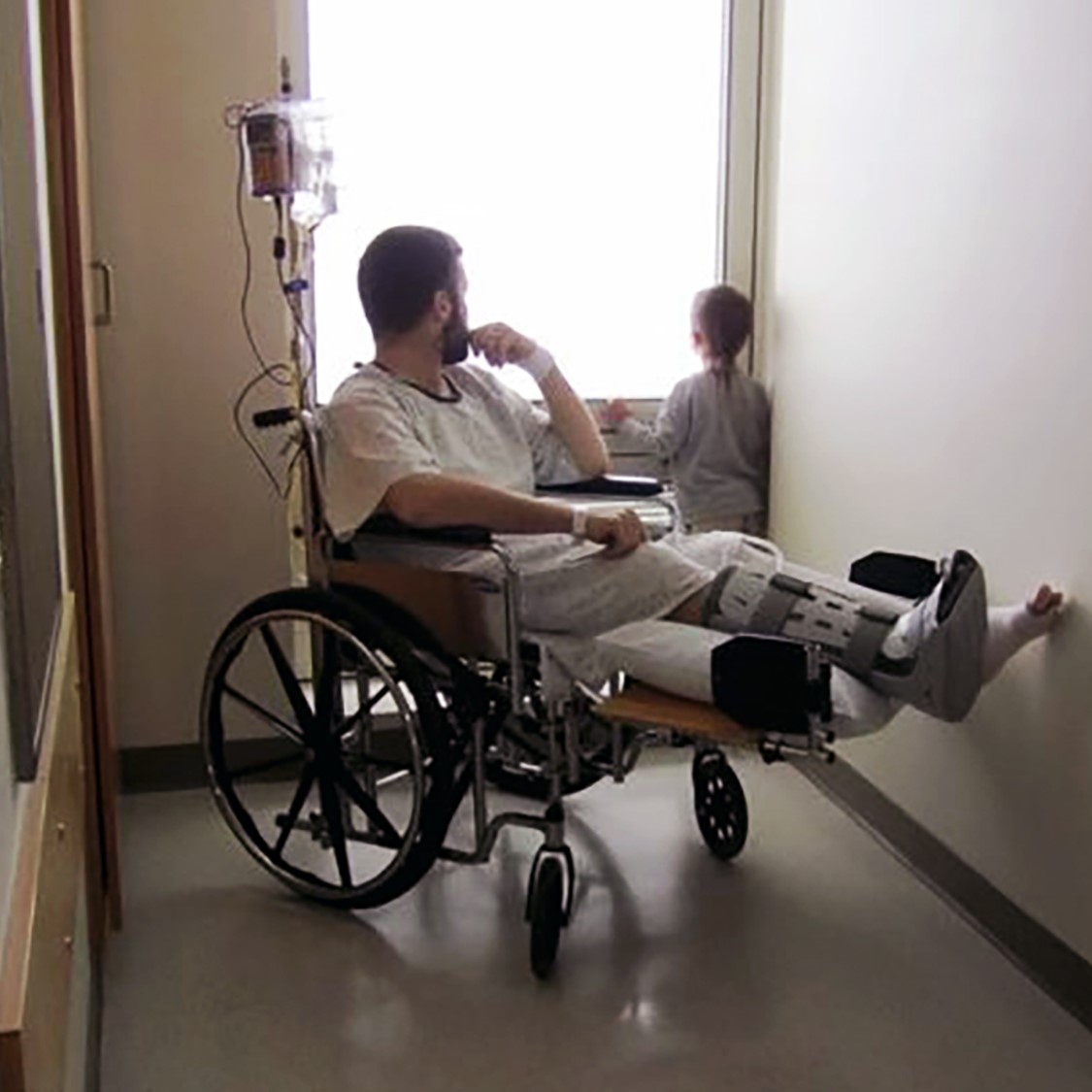
U.S. Navy Ensign Timothy Bleigh clearly recalls when the bomb went off. The Mine-Resistant Ambush Protected (MRAP) tactical vehicle flipped several times through the air before it landed partly on its roof. Bleigh shares his story and reflects on how his difficult recovery, which included a Traumatic Brain Injury (TBI), influenced how he approaches patient care.
Creating boundaries can feel awkward or wrong when you first start setting them. You might even get pushback if you haven’t done it before. But don’t stop.
USAF Staff Sergeant Adam Watson joined the military just before 9/11 to find a sense of direction as a young adult. He was trained as a linguist and worked in intelligence. He found purpose and fulfillment in his mission to target terrorists but at a high cost. His time in service took a toll on him and, eventually, his family.
Hear how Home Base, a part of the Wounded Warrior Project's Warrior Care Network, helped Adam treat his depression and post-traumatic stress disorder (PTSD) with Prolonged Exposure Therapy (PE) and other complementary therapies in their Intensive Outpatient Program (IOP). For information about treatments for PTSD please visit The Treatment Hub: https://www.brainline.org/treatment/ Don’t forget to like and subscribe! Information about Prolonged Exposure Therapy (PE): https://www.brainline.org/treatment/pe Home Base in Boston, MA, USA: https://homebase.org/ Wounded Warrior Project's Warrior Care Network: https://www.woundedwarriorproject.org/programs/warrior-care-network Website: https://www.BrainLine.org Donate: https://tinyurl.com/BrainLineDonation Facebook: https://www.facebook.com/brainline Twitter: https://twitter.com/brainline LinkedIn: https://www.linkedin.com/company/brainline.org/
Laura Harward, LICSW, discusses the Intensive Clinical Program at the Home Base, including treatments for PTSD, TBI, depression, anxiety, substance abuse, and military sexual trauma.
U.S. Marine Corps Reserves Veteran Nick Morrison's Humvee was hit by improvised explosive devices twice while he was deployed in Iraq. When he got home, the symptoms of post-traumatic stress disorder (PTSD) became debilitating. Nick shares how his survivor's guilt and moral injury caused his PTSD and how WWP’s Road Home Program helped him heal.
At the end of the day, I don’t really care why playing a role at the Renaissance Festival alleviates some of my husband, Russ's symptoms of PTSD, I am just glad it does!
Triggers are weird. A seemingly innocuous thing happens or there is a tiny deviation from routine and you or your loved one loses it. From the outside, it seems like a total overreaction but for the person who has been triggered, it is a fight-or-flight response.
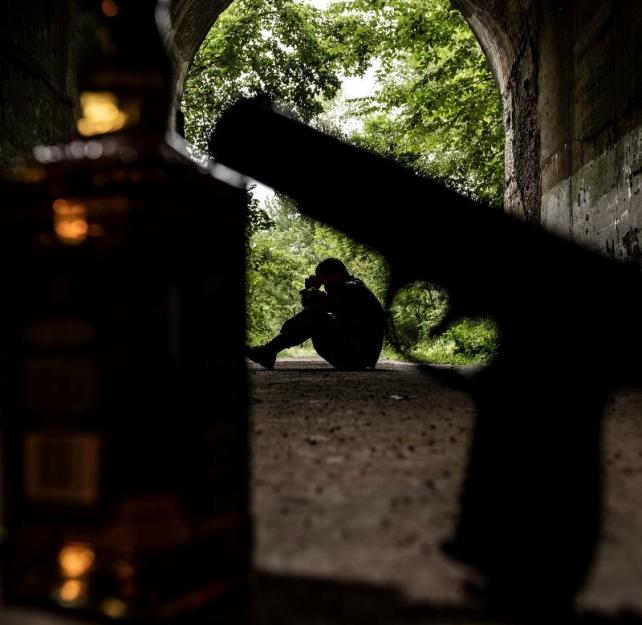
Bryan, who deployed to Iraq in 2009 as a psychologist in the Air Force started to view active-duty suicide as “death by a thousand paper cuts,” he says.
I need to be more open about who I am. All of me. I cannot be afraid. I won’t hide anymore. Now, I will be my true self. And I’m ready to stand with anyone else who feels the same.
Over the last couple of years, I’ve discovered mindfulness and have learned the value of living life “in the moment.” It’s a learned skill that has enabled me to find peace in my life. In what amounts to almost an irony, I no longer have much of my past to recall. The future never really comes. By circumstance, rather than any virtue, I am now forced to live in the moment.
Social isolation and loneliness are increasingly becoming societal problems, as they contribute to polarization and affect our physical health. Mental health professionals, community advocates and health-care providers have been raising the alarm about this impending crisis.
This month has been a whirlwind of pain, triggers, and generally not great behavior from both Russ and myself. Our eldest daughter, Elizabeth Shade-Ware, died unexpectedly in her sleep. Suffice it to say, I am a wreck...
Sometimes it feels like I am a single parent. That breaks my heart to say because my husband really is a fantastic parent as long as he’s not triggered or having a chronic pain flare-up.
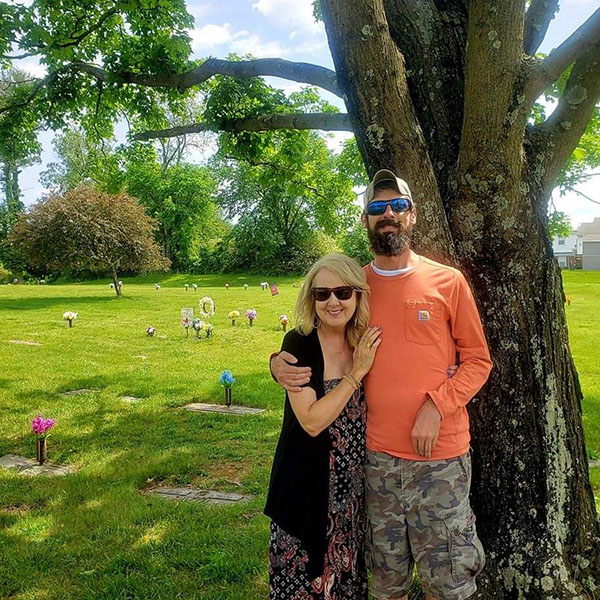
It was not until the family attended an event through the Wounded Warrior Project that Caregiver and Mother Pam Estes learned about and understood the depths of secondary PTSD. Even 17 years after her son, Army Veteran Jason Ehrhart, sustained a TBI, she and other members of the family still "have their moments."
Caregiver and Mother Pam Estes talks about how staying involved in veteran-oriented community events has helped her son and the whole family feel supported.
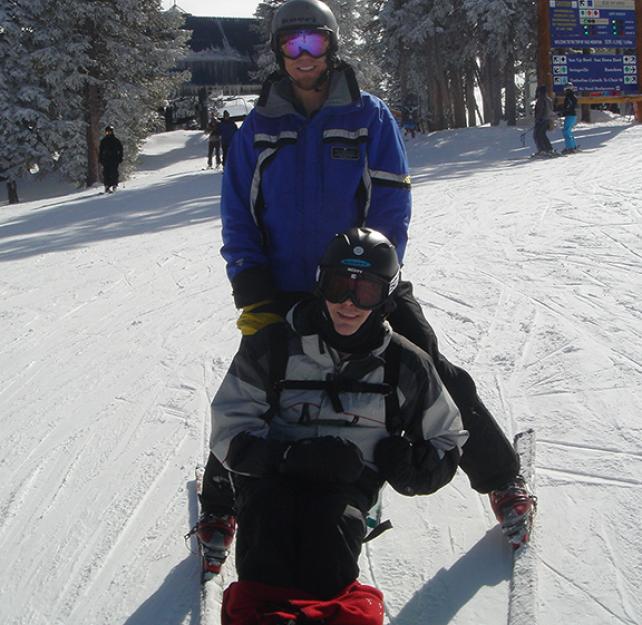
U.S. Army Veteran Jason Ehrhart and his Caregiver and mother, Pam Estes, share how adaptive sports like sit-skiing help heal traumatic brain injury (TBI).
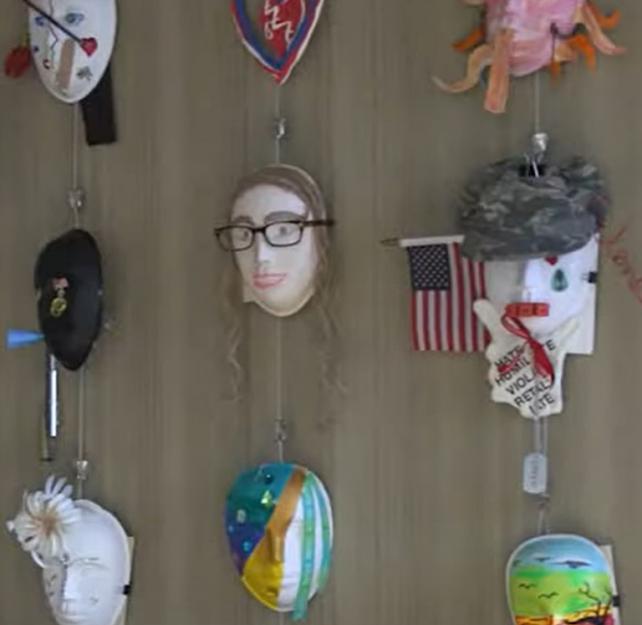
Showing the fronts and backs of masks made by veterans with PTSD and TBI, Art Therapist Stephanie Clark talks about how through the process of making, a veteran can process and better understand their traumas.