Use the filters to browse the information we have available or to narrow your search results for a specific audience (e.g. caregivers, military, children), a preferred type of content (e.g. videos, blogs, articles), or by topics of interest (e.g. family concerns, legal issues, symptoms).
“When I meet people, post-injury who may be stuck in a dark place, who may think their lives are destroyed, I say it’s going to be hard to picture the future but start by dipping your toes into the waters of adaptive sports in a group setting. The sooner you get involved, the better. You don’t have a clue what you will accomplish in life.”
Emory Healthcare Veterans Program’s two-week PTDS Treatment intensive for post-9.11 vets is a convenient and effective means for people to get needed treatment for PTSD, TBI, depression, chronic pain, and substance abuse from home. The results are the same whether accessing care via telehealth or on site.
Michelle Ranae Wild is a fan of technology so she likes to have the latest gadgets. After only a short time with a precursor of the iPhone she realized how amazing a tool it could be for her students with brain Injury.
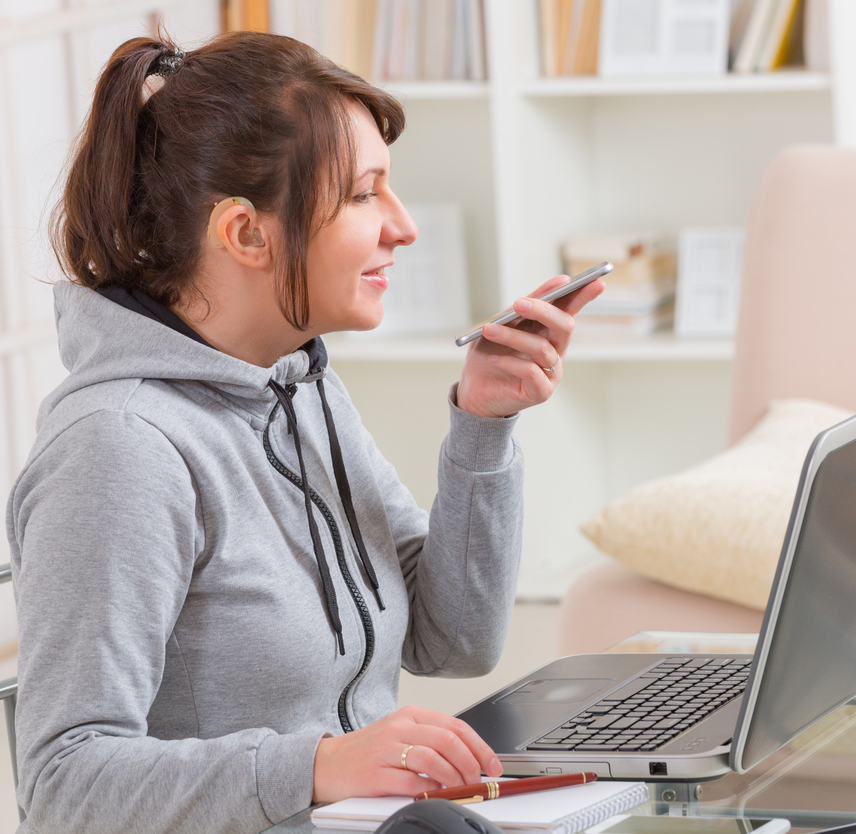
Apps can change the life of a person with brain injury. People with TBI and their caregivers don't always realize how much the injury can impact their lives. For someone who is used to be able to do so many things the loss of those abilities is frustrating. Apps can help.
A veteran with TBI started using apps to help her in school while she was getting her master's degree. Soon she found those apps were being incorporated into her every day life, not just when she was in the classroom.
Apps are great tools for people with brain injury, but caregivers can help make them even more effective. If caregivers learn how the apps work they can provide support and troubleshooting, minimizing frustration and maximizing usefulness for someone with TBI.
Troubleshooting can be necessary when using apps after a TBI. Before giving up on the app and, if you can, check to see if it's a common issue for others. It maybe a simple fix.
There are many apps that can be helpful after a TBI. They should help with skills you need to support, but here are some options that might be what you're looking for.
Using apps after brain injury isn't about quantity, but rather quality. More apps doesn't equal more improvement. In fact, it can be too overwheming to be helpful at all. Instead, examine what skills you want to focus on and then find 5-6 apps that will help with those skills.
Self-regulation is an important skill and apps like PaceMyDay can be a great tool to learn your own limits and comfort levels. After a TBI this skill is even more important since those comfort levels have likely changed. How long you want to use an app depends on what you want or need.
The Pace My Day app allows people with a TBI to judge their stamina post-brain injury. By monitoring your energy levels and physical comfort using the app it's possible to learn how long you can perform a given task without feeling drained or in pain.
Kristi Kragthorpe finds the Pace My Day app to be an amazing tool for helping her to organize her day's activities, but to also monitor her energy levels.
Kristi Kragthorpe has found calender apps invaluable since her brain injury. She uses them to remember appointments, but also to keep track of how she's spending her energy.
Kristi Kragthorpe's accident left her with a brain injury. Her TBI resulted in a loss of balance, the ability to work with numbers, executive function, and taking initiative. Now she uses apps to help her gain back some of the functionality and independence she had before her TBI.
Kristi Kragthorpe quickly learned that her energy reserves were significantly lower after her brain injury. Apps have helped her learn how to monitor herself and keep from "hitting the wall."
Kristi Kragthorpe hated technology before her brain injury. She didn't understand it and avoided it when possible. Since her TBI she's come to realize how valuable it can be in making life easier.
Kristi Kragthorpe uses smartphone apps as aids to help make her life easier after brain injury, but she makes sure not to overwhelm herself with too many.
Kristi Kragthorpe only used her phone for texts and phone calls until she saw how powerful smartphone apps could be in helping her manage her post-TBI life.
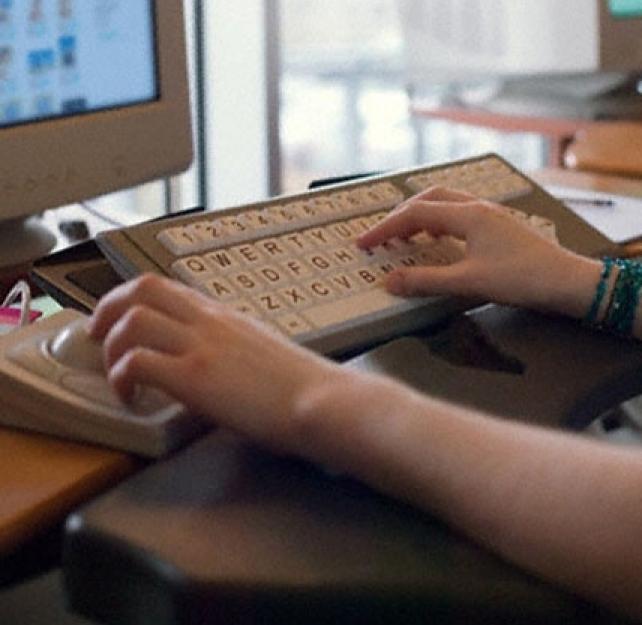
Kara was growing up and thinking about the future. She would tell us, "I want my own life. I want my own house when I grow up." So I began going to conferences that focused on people with disabilities and became intrigued with technology. As Kara grew into young adulthood, technology became the key that would open the door to her independent life.
Over the past decade, as smartphones, tablets, and all their millions of apps have emerged, opportunities to use these tools have mushroomed. Here are a few examples of the way mobile technologies have helped my clients with brain injury.
Jason Cowper and Tonya Howell share their stories of coming to terms with changes in their memory, and strategies they use to compensate for these changes.