Use the filters to browse the information we have available or to narrow your search results for a specific audience (e.g. caregivers, military, children), a preferred type of content (e.g. videos, blogs, articles), or by topics of interest (e.g. family concerns, legal issues, symptoms).
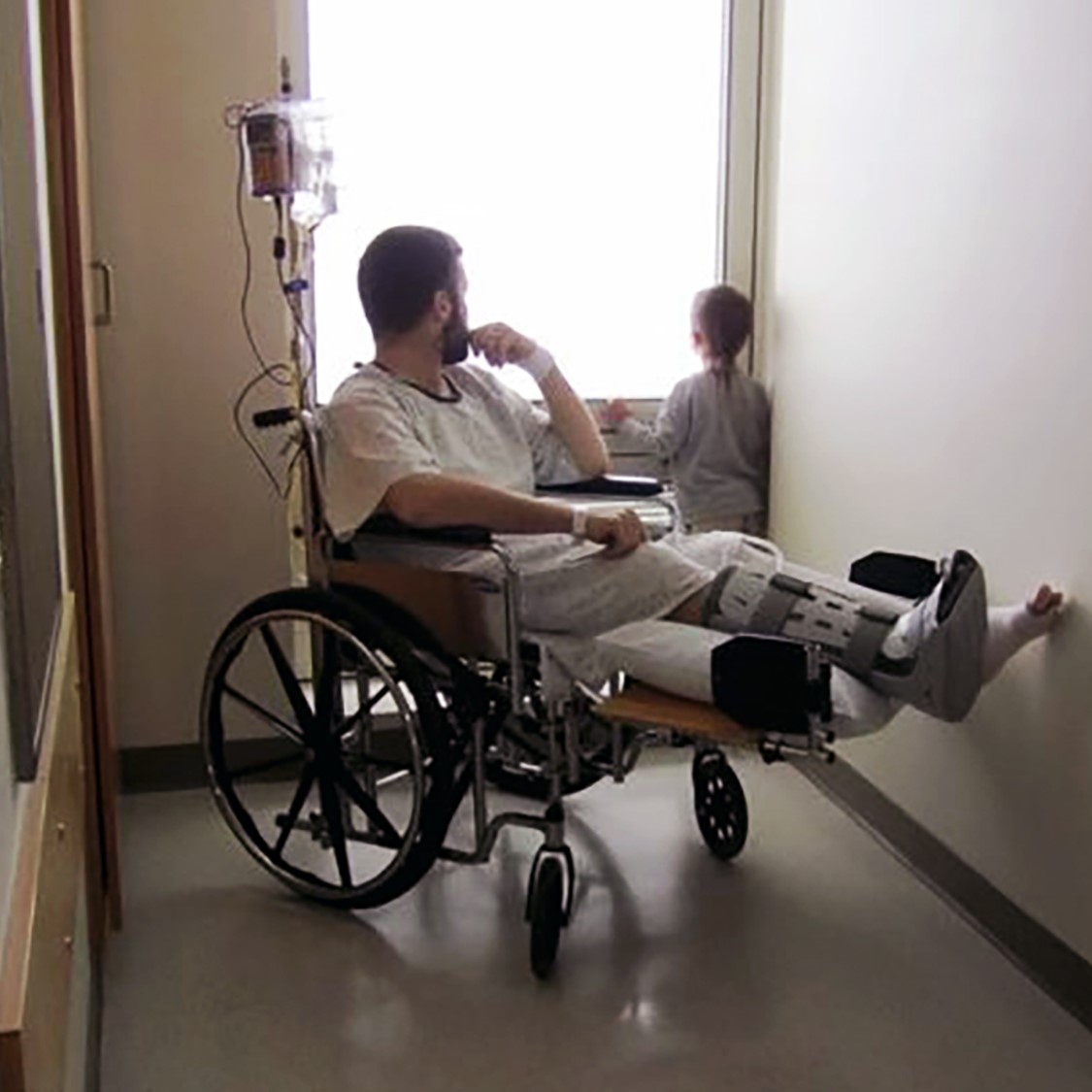
U.S. Navy Ensign Timothy Bleigh clearly recalls when the bomb went off. The Mine-Resistant Ambush Protected (MRAP) tactical vehicle flipped several times through the air before it landed partly on its roof. Bleigh shares his story and reflects on how his difficult recovery, which included a Traumatic Brain Injury (TBI), influenced how he approaches patient care.
Dr. James Kelly knows that brain injury results in physical changes to the body which can be addressed and improved using rehabilitiation therapies. Vestibular rehabilitation has proven effective in addressing issues of balance and mobility.
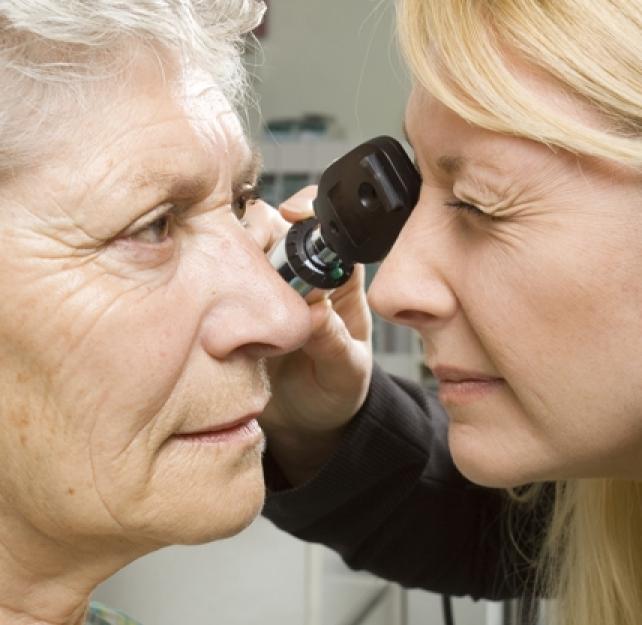
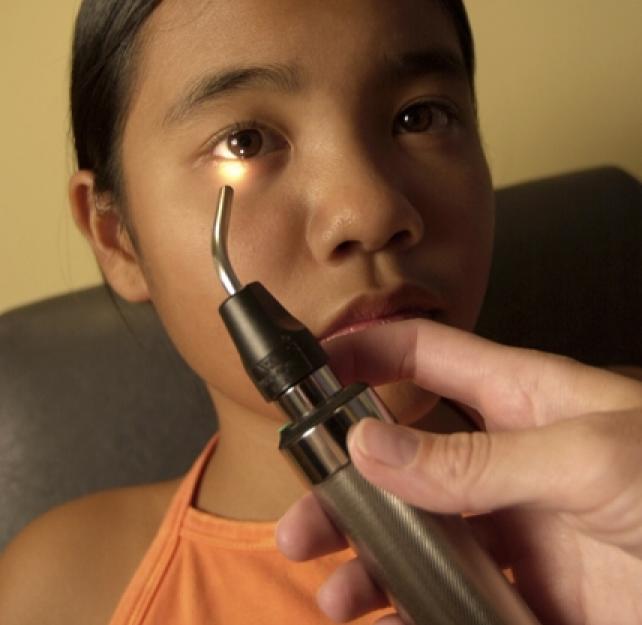
40-50% percent of the brain is involved in vision; so if a person’s brain is damaged in a specific location or several locations, there is a high probability that his vision will be affected in some way.
Up to 40% of people with brain injury experience related vision disorders. Some vision-related issues can be permanent; others resolve quickly. Here's what you need to know.
Scanning therapy for hemianopsia after TBI isn’t a cure nor is there a guarantee that everyone will have good results. But oftentimes, there is great benefit.
Patients who have right parietal damage and suffer from left hemineglect will often copy only the right half of a drawing, eat the food off only the right side of their plate and disown their left limbs.
Learn what vision-related reading problems can crop up after brain injury and what strategies are out there from using a "hemi card" to "last letter cancellation therapy."