Use the filters to browse the information we have available or to narrow your search results for a specific audience (e.g. caregivers, military, children), a preferred type of content (e.g. videos, blogs, articles), or by topics of interest (e.g. family concerns, legal issues, symptoms).
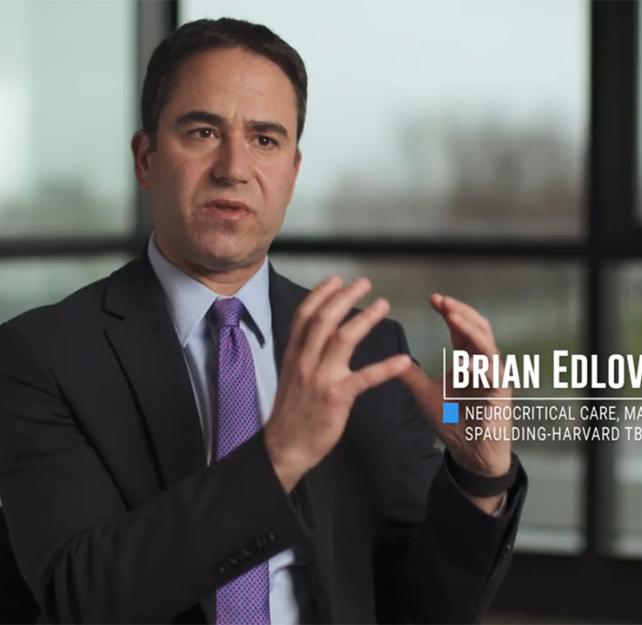
In this video, Brian Edlow, MD, explains how families and clinicians work together to make decisions about life‑sustaining treatment for people with disorders of consciousness.
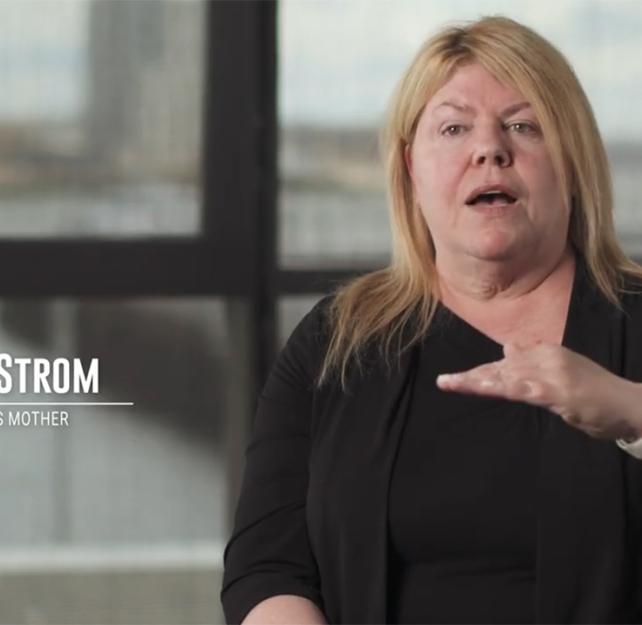
In this video, Gail Strom, mother of Hannah, shares her personal experience navigating the emotional ups and downs of a loved one’s recovery from a disorder of consciousness.
Creating boundaries can feel awkward or wrong when you first start setting them. You might even get pushback if you haven’t done it before. But don’t stop.
The holiday season is upon us and that means family time and reflection. But this year just feels off. I’m not sure if it’s the change of seasons, the upcoming holidays, our added pressures at work, or just the stress of everything going on in the world, but my husband, Russ, and I have both been stressed.
I feel ready to move through whatever comes next. After all, I really only need to worry about making today a well-lived day. Tomorrow is none of my business.
Social isolation and loneliness are increasingly becoming societal problems, as they contribute to polarization and affect our physical health. Mental health professionals, community advocates and health-care providers have been raising the alarm about this impending crisis.
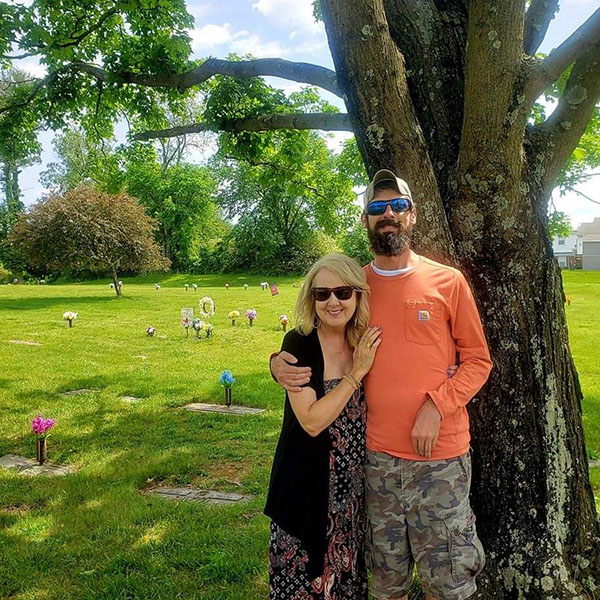
This month has been a whirlwind of pain, triggers, and generally not great behavior from both Russ and myself. Our eldest daughter, Elizabeth Shade-Ware, died unexpectedly in her sleep. Suffice it to say, I am a wreck...
Sometimes it feels like I am a single parent. That breaks my heart to say because my husband really is a fantastic parent as long as he’s not triggered or having a chronic pain flare-up.
Her husband was different when he came home from his deployment. Jenna married the love of her life, Isaac, in the United States Navy. He returned home from Afghanistan a changed man. Jenna started feeling stressed out herself.
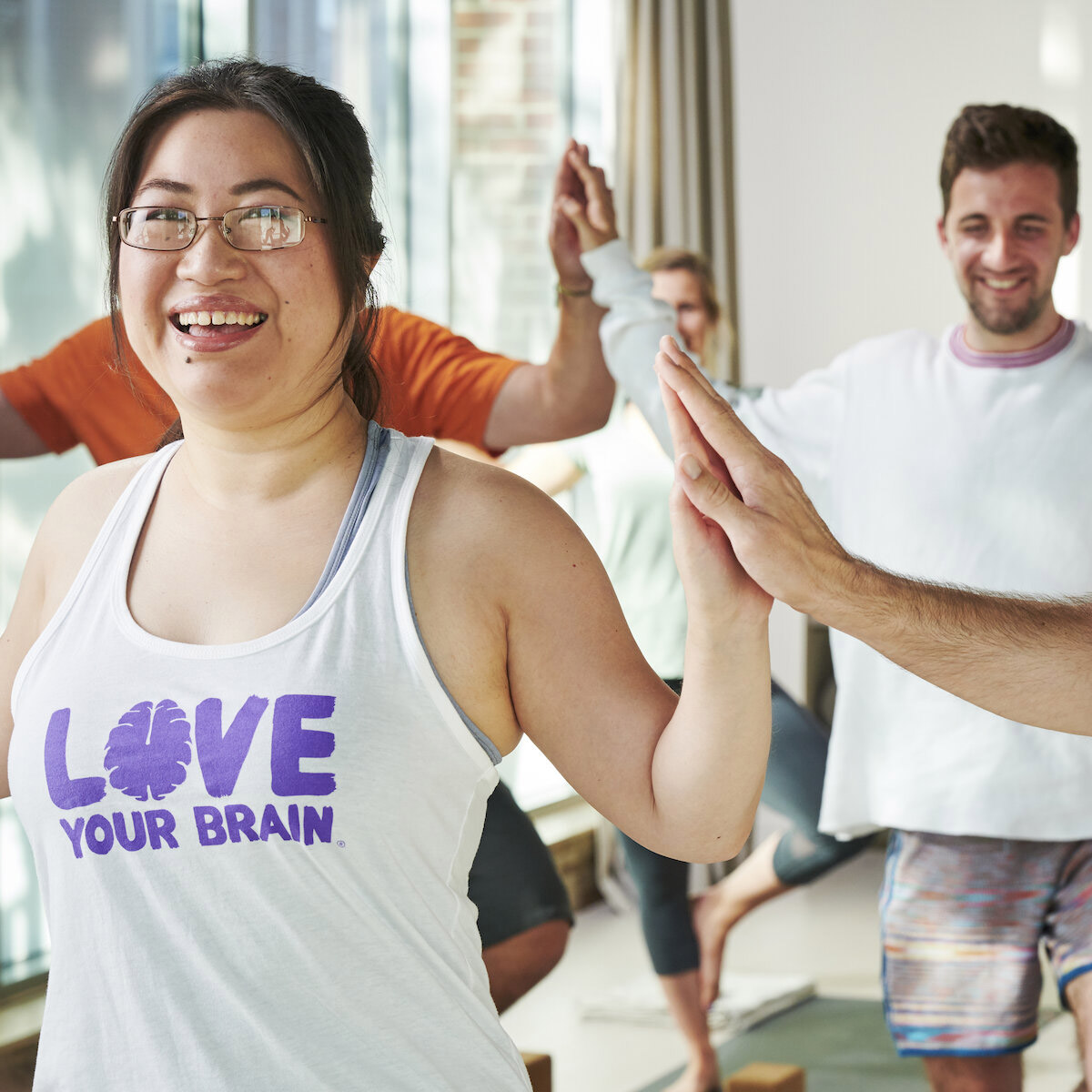
LoveYourBrain Retreats is a novel, free, five-day multimodal program designed to benefit people with traumatic brain injury (TBI) and their caregivers. This study showed the integration of mindfulness, gentle yoga, brain health nutrition, art therapy, and community is an effective rehabilitation model to improve quality of life and has significant potential for expanding access to complementary therapy after TBI.
But this is how I’ve been feeling about the holidays this year. I just don’t want to. There is so much going on at home, at work, and in the world, and it’s all weighing heavily on my mind. There is just too much!
Picture a retaining wall — a structural feature that allows you to support landscaping and help prevent erosion. My retaining wall comes with its own definition because it is an emotional retaining wall that I — consciously, subconsciously, or both — constructed after my sons Aaron and Steven’s car accident in 2012.
Thanksgiving is a uniquely American tradition that includes feasting and sharing all for which we are grateful. But this year, I’m just not feeling it. There’s too much weighing heavily on my mind.
Doing something kind for another person, no matter how big or small, not only positively impacts our own mental health but it can also bring joy to someone else. Even tiny actions go a long way. It feels good to do good. And, in my experience, good begets good.
Trauma can be a strange and often insidious beast. We can be traumatized by directly being impacted by an event like a violent physical attack, a rape, a natural disaster, or an experience in combat, but we can also be traumatized indirectly by caring for, hearing about, or witnessing the intense suffering of others. Both the direct and indirect impact of traumatic events can lead to post-traumatic stress disorder (PTSD).
If you are anything like me, when you or your loved one are first given a diagnosis, you research. There is so much information available online, it can be overwhelming or frustrating to know which is accurate, but I find research helpful in being able to report or advocate to doctors for both myself and my loved ones.