Use the filters to browse the information we have available or to narrow your search results for a specific audience (e.g. caregivers, military, children), a preferred type of content (e.g. videos, blogs, articles), or by topics of interest (e.g. family concerns, legal issues, symptoms).
There is more to wellness than treating brain injury alone. I am a living, breathing, oftentimes thriving human being with a whole lot more than just a brain injury.
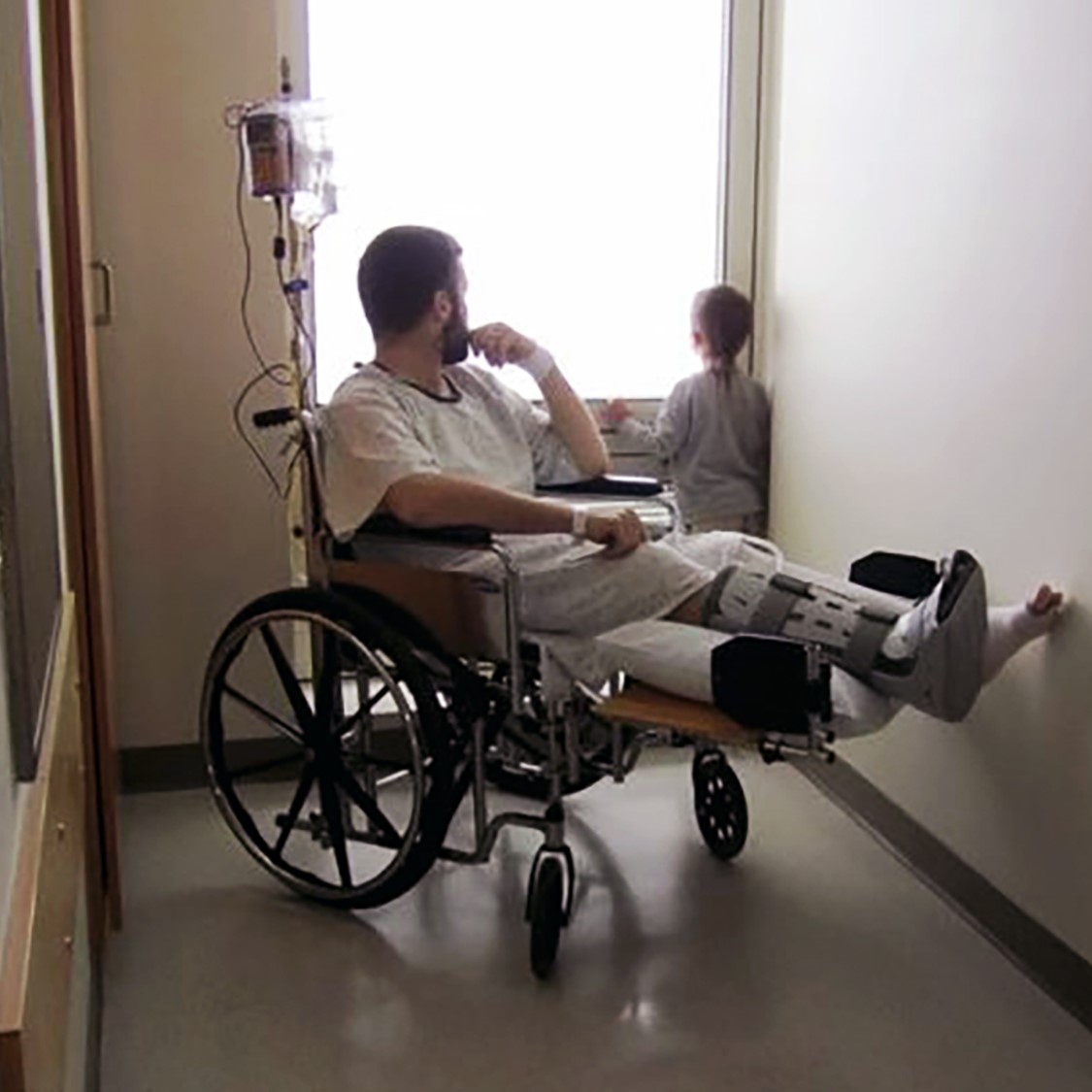
U.S. Navy Ensign Timothy Bleigh clearly recalls when the bomb went off. The Mine-Resistant Ambush Protected (MRAP) tactical vehicle flipped several times through the air before it landed partly on its roof. Bleigh shares his story and reflects on how his difficult recovery, which included a Traumatic Brain Injury (TBI), influenced how he approaches patient care.
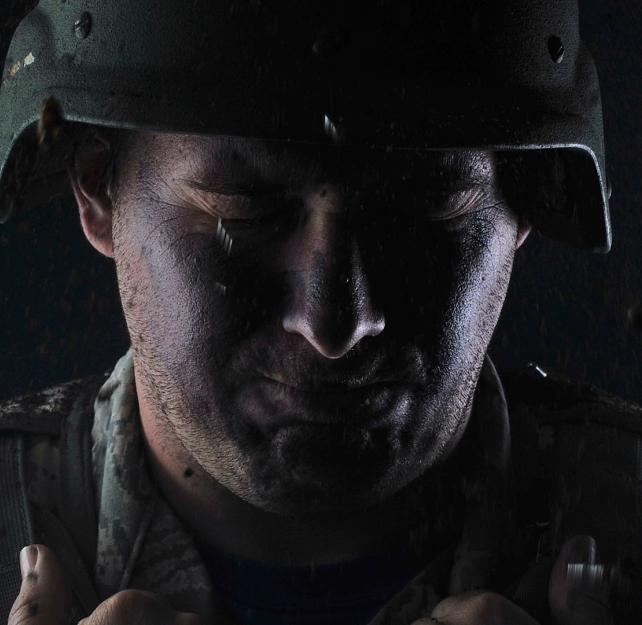
This week Duane France explores the paradoxes service members face, a conversation with Eli Varney, combat veteran and mental health counselor and the resource of the week: Onward to Opportunity.
“Regular exercise bathes the brain in a protein called brain-derived neurotrophic factor, or BDNF. This specific protein has been shown to speed brain injury recovery.” That was all it took to fuel my hunger to learn more about BDNF...
I’ve kept in touch with a handful of healthcare professionals I had met in the early days of Taylor’s ordeal. These people not only taught me about the physical effects of brain injury and ways to participate in Taylor’s care, but they also taught me another invaluable lesson: the art of letting go.
For years, I measured my recovery by external gains. I looked for tasks that I could do better and longer. This was easily quantifiable data. I recently took some time to take stock of my growth over this past year. And what I saw surprised me. In fact, it was a completely unexpected revelation.
There are no guarantees, but there are smart choices and strategies that can optimize recovery after brain injury The following is a list I compiled as my answer to the many people in the beginning stages of brain injury who have asked about my success over the years. I hope it helps.
Like those of us who have been at this business of life after brain injury for a long time, I am aware of the stages that we go through. I know that I am experiencing "recurring grief." During these times it can be very hard to “find the good and praise it..."
Navigating the medical waters isn’t easy for anyone, but it can be particularly complicated and overwhelming for those of us who live with a brain injury. David Grant offers advice from his own experience.
The greenbrier plant is not what it appears to be. It’s innocent looking while invasive. It comes raging back after you cut it down, and it can choke what’s underneath. If this sounds a little bit like traumatic brain injury, it is.
So how exactly did I get from there to here? From complete ruination of the human will to thrive to living a life worthwhile? The answer is complicated, and our path was a winding one, but in retrospect, a few things have proven to be game-changers.
I never wish to glamorize the process of returning to work, nor unfairly claim credit for it. TC was at the helm for most of this journey. With that said, there are a few pieces of wisdom I’ve gathered from the experience...
“This isn’t a sprint, it’s a marathon.” We needed to slow down because this thing was going to be with us for a while. The quote reminded our family to conserve our strength, energy, and abilities to stay the course...
It took a few minutes to go over my medical history as we sat in his exam room. He took a few notes, listened to our story, took a few more notes, and asked a question or two. He then looked us square in the eyes and uttered four words. “I can fix you.”
What just happened? Can I handle this? And the one question many TBI spouses ask themselves: Will my husband ever be the same? Will I ever be the same?
It’s a tough nut to swallow when you look back and realize with stunning clarity that the very quality of day-to-day life after a TBI is largely determined by how well insured you are.
I thought if the class wasn’t going well, I could just lie on my yoga mat in the middle of the studio and, at least, be around people for an hour. Knowing how accepting yoga is, I unrolled my yoga mat for a try.
I've spent chunks of my life living in the past. Being really sad and angry about my dad's brain injury and all the changes it brought to my family and our lives, as we knew them. My mind was stuck in the way it was. Yoga brings you to the present.
What does the word recovery mean after a TBI? Does it indicate the full return of your abilities, talents, and skills? Or is it much more? Could recovery mean a return to life—a life that feels whole and full of possibility again?
Looking back with the benefit of hindsight, I now see that my family was not fractured. It was slowly being rebuilt as a new kind of family — a survivor family.