Use the filters to browse the information we have available or to narrow your search results for a specific audience (e.g. caregivers, military, children), a preferred type of content (e.g. videos, blogs, articles), or by topics of interest (e.g. family concerns, legal issues, symptoms).
Female athletes are more susceptible to sport-related concussions (SRCs) and experience worse outcomes compared with male athletes. Although numerous studies on SRC have compared the outcomes of concussions in male and female athletes after injury, research pertaining to why female athletes have worse outcomes is limited.
Experiencing three or more concussions is linked with worsened brain function in later life, according to major new research. The study – the largest of its kind - also found having just one moderate-to-severe concussion, or traumatic brain injury (TBI), can have a long-term impact on brain function, including memory.
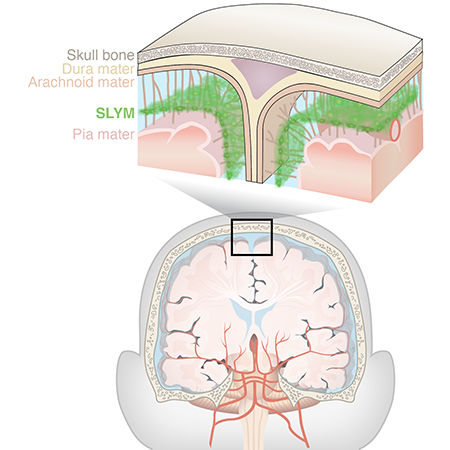
The traditional view is that the brain is surrounded by three layers, the dura, arachnoid, and pia mater. Møllgård et al. found a fourth meningeal layer called the subarachnoid lymphatic-like membrane (SLYM). SLYM is immunophenotypically distinct from the other meningeal layers in the human and mouse brain and represents a tight barrier for solutes of more than 3 kilodaltons, effectively subdividing the subarachnoid space into two different compartments. SLYM is the host for a large population of myeloid cells, the number of which increases in response to inflammation and aging, so this layer represents an innate immune niche ideally positioned to surveil the cerebrospinal fluid.
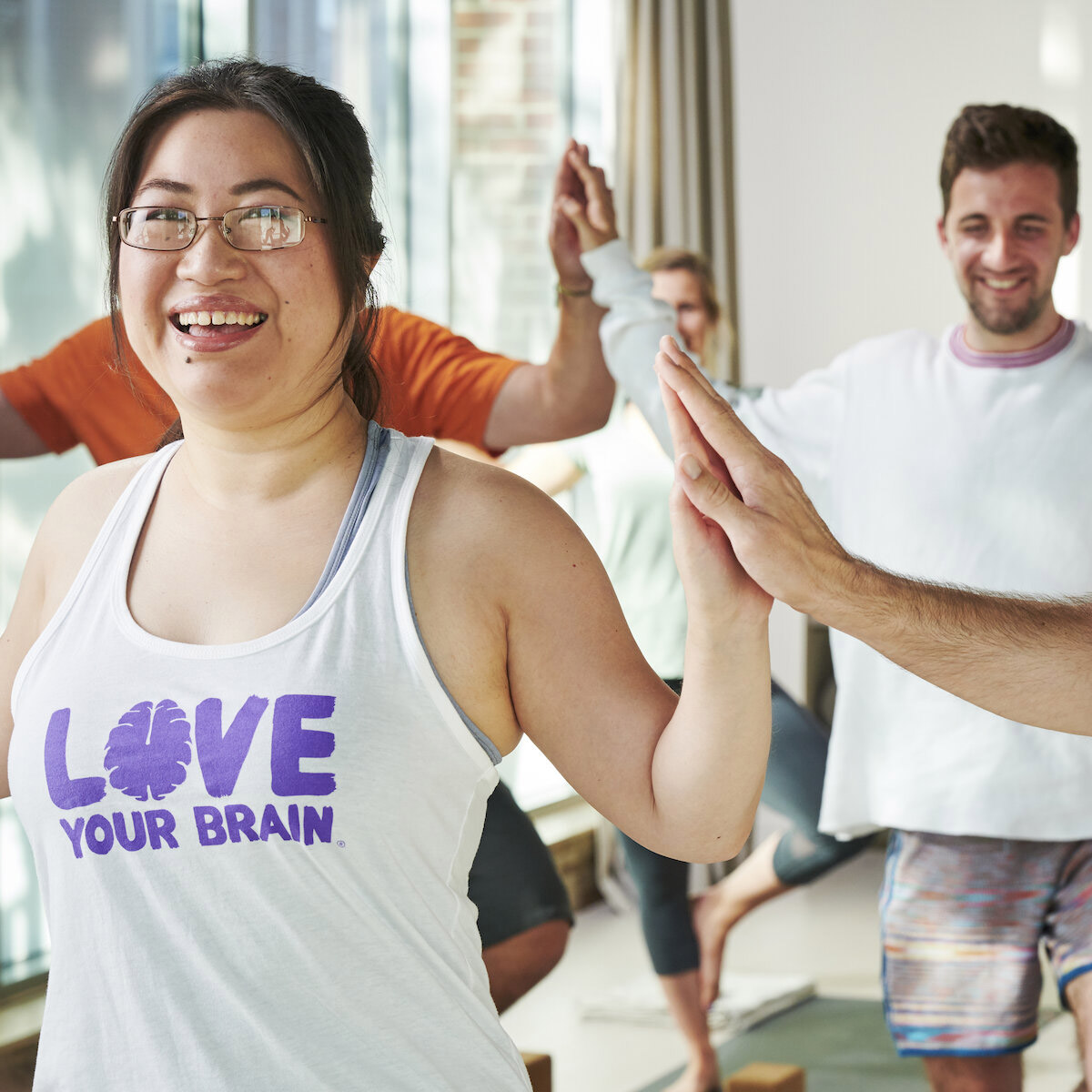
LoveYourBrain Retreats is a novel, free, five-day multimodal program designed to benefit people with traumatic brain injury (TBI) and their caregivers. This study showed the integration of mindfulness, gentle yoga, brain health nutrition, art therapy, and community is an effective rehabilitation model to improve quality of life and has significant potential for expanding access to complementary therapy after TBI.
After fighters' cessation of RHI exposure, cognitive function and brain thickness measures may stabilize and blood NfL levels may decline. This study could be a starting point to identify potential predictors of individuals who are at a higher risk of RHI-related long-term neurologic conditions.
State-level resources and supports have a small but significant impact on outcomes following serious TBI. Better Long-Term Services and Supports increase community participation and life satisfaction.
What is the natural history of insomnia in the 12 months after traumatic brain injury (TBI)? In the analysis of over 2,000 adults from a large cohort study, insomnia was common during the 12 months after TBI and should be assessed early in recovery.
Is concussion and/or mild traumatic brain injury (TBI) associated with a higher risk of suicide? This systematic review and meta-analysis found a 2-fold higher risk of subsequent suicide among more than 700 000 patients diagnosed with concussion and/or mild TBI, compared with more than 6.2 million individuals who had not been so diagnosed. Experiencing concussion and/or mild TBI was also associated with a higher risk of suicide attempt and suicidal ideation. These results suggest that experiencing concussion and/or mild TBI is associated with an increased risk of suicide.
Intimate partner violence (IPV) affects up to 1 in 3 women over their lifetime and has intensified during the COVID-19 pandemic. Although most injuries are to the head, face, and neck, the intersection of IPV and brain injury (BI) remains largely unrecognized. This article reports on unexplored COVID-19–related impacts on service providers and women survivors of IPV/BI.
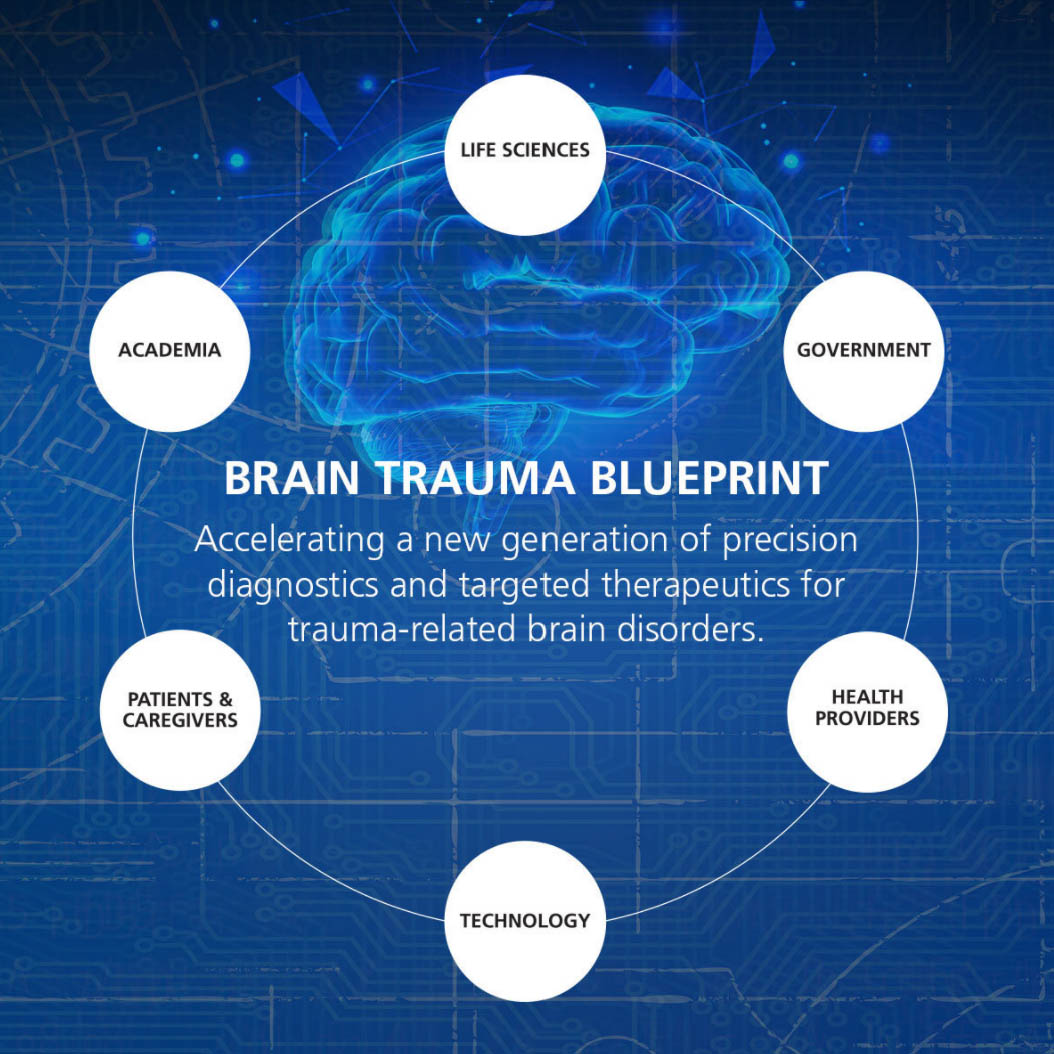
Brain Trauma Blueprint program publishes new recommendations for TBI treatment titled, "Implementation of Concepts and Strategies Surrounding Traumatic Brain Injury Clinical Care Guidelines."
Patients who suffer from traumatic brain injuries (TBI) often need a great deal of healthcare services after the injury, but the extent of care utilization is unknown. A new study from research scientists affiliated with the U.S. Department of Veterans Affairs (VA), Regenstrief Institute and IUPUI is one of the first to analyze how much care TBI patients use and identify areas of unmet need.
A study designed to measure exosomal and plasma levels of candidate blood biomarkers in veterans with history of mild traumatic brain injury (mTBI) and test their relationship with chronic symptoms.
Question Are repetitive head impacts during a professional football career associated with mortality among National Football League players?
Findings In this cohort study of 13 912 National Football League players, a 25% increase in repetitive head impacts during a professional football career was associated with a statistically significant increase in the hazard ratio of death.
Meaning The findings suggest that repetitive head impacts are associated with an increase in the risk of all-cause mortality among professional football players.
A study examining the effect of the immune receptor known as Toll-like Receptor 4, or TLR4, on how memory functions in both the normal and injured brain has found vastly different cellular pathways contribute to the receptor's effects on excitability in the uninjured and injured brain.
A look at how to describe clinical recovery time and factors that might impact recovery after a sports-related mild traumatic brain injury (SR-mTBI; concussion).
The national age-adjusted rate of fall-related TBI deaths increased by 17% from 2008 to 2017; rates increased significantly in 29 states and among nearly all groups, most notably persons living in noncore nonmetropolitan counties and those aged ≥75 years.
Homelessness is a global public health concern, and traumatic brain injury (TBI) could represent an underappreciated factor in the health trajectories of homeless and marginally housed individuals. We aimed to evaluate the lifetime prevalence of TBI in this population, and to summarise findings on TBI incidence and the association between TBI and health-related or functioning-related outcomes.
The association of dispositional optimism with health-related factors has been well established in several clinical populations, but little is known about the role of optimism in recovery after traumatic brain injury (TBI). Given the high prevalence of cognitive complaints after TBI, the present study examined the association between optimism and cognitive functioning after TBI.
Traumatic brain injury (TBI) is a leading cause of death and disability. Older adults are more likely than younger individuals to sustain TBIs and less likely to survive them. TBI has been called the “silent epidemic,” and older adults are the “silent population” within this epidemic. This study evaluates whether indicators of preinjury health and functioning are associated with risk of incident traumatic brain injury (TBI) with loss of consciousness (LOC) and to evaluate health‐related factors associated with mortality in individuals with incident TBI.
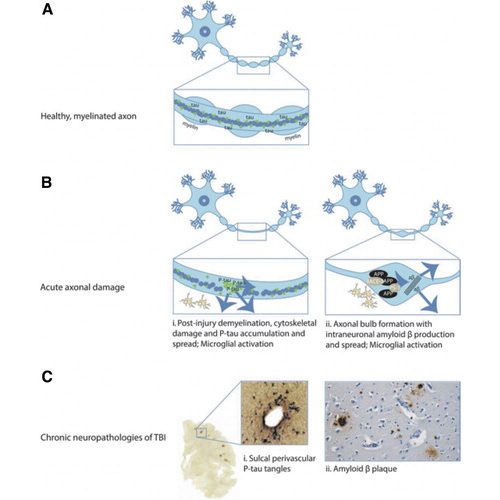
Traumatic brain injury (TBI) can have lifelong and dynamic effects on health and wellbeing. Research on the longterm consequences emphasises that, for many patients, TBI should be conceptualised as a chronic health condition. Evidence suggests that functional outcomes after TBI can show improvement or deterioration up to two decades after injury, and rates of all-cause mortality remain elevated for many years. Furthermore, TBI represents a risk factor for a variety of neurological illnesses, including epilepsy, stroke, and neurodegenerative disease. With respect to neurodegeneration after TBI, post-mortem studies on the long-term neuropathology after injury have identified complex persisting and evolving abnormalities best described as polypathology, which includes chronic traumatic encephalopathy. Despite growing awareness of the lifelong consequences of TBI, substantial gaps in research exist. Improvements are therefore needed in understanding chronic pathologies and their implications for survivors of TBI, which could inform long-term health management in this sizeable patient population.
Concussion is a common childhood injury that may lead to long-term physical, behavioral, and neurocognitive effects, affecting learning and school performance. There is increasing concern about the potential for repeat concussions among professional and high school athletes, with specific attention focused on understanding how sustaining a concussion alters future concussion risk. Addressing repeat concussion risk among youth has substantial implications for clinical practice in terms of managing exposure — particularly regarding youth sports participation — and long-term health and development.
Post-traumatic stress disorder (PTSD) is a major problem among military veterans and civilians alike, yet its pathophysiology remains poorly understood. We performed a genome-wide association study and bioinformatic analyses, which included 146,660 European Americans and 19,983 African Americans in the US Million Veteran Program, to identify genetic risk factors relevant to intrusive reexperiencing of trauma, which is the most characteristic symptom cluster of PTSD. In European Americans, eight distinct significant regions were identified. Three regions had values of P < 5 × 10⁻¹⁰: CAMKV; chromosome 17 closest to KANSL1, but within a large high linkage disequilibrium region that also includes CRHR1; and TCF4. Associations were enriched with respect to the transcriptomic profiles of striatal medium spiny neurons. No significant associations were observed in the African American cohort of the sample. Results in European Americans were replicated in the UK Biobank data. These results provide new insights into the biology of PTSD in a well-powered genome-wide association study.
Researchers show how even mild exposure to a single blast shock wave is able to induce small but potentially very meaningful pathogenic effects that accumulate with time.
Study establishes the first comprehensive profile of the chronic behavioral and neuropathological consequences of single and repetitive mild traumatic brain injury over the lifespan of an animal.