Use the filters to browse the information we have available or to narrow your search results for a specific audience (e.g. caregivers, military, children), a preferred type of content (e.g. videos, blogs, articles), or by topics of interest (e.g. family concerns, legal issues, symptoms).
Brain injury anniversaries are complicated. Like an unseen gravitational force, my mind is drawn back to that day. But this year feels different. My anniversary is still many months away… but thoughts of it are already creeping in at unexpected times.
My life will forever be marked by that day in November of 2010 when I sustained a brain injury after being hit by a car while riding my bicycle. It was a true "before and after" scenario. However, an unexpected consequence followed: my decades-long depression disappeared. I was as stunned as anyone …
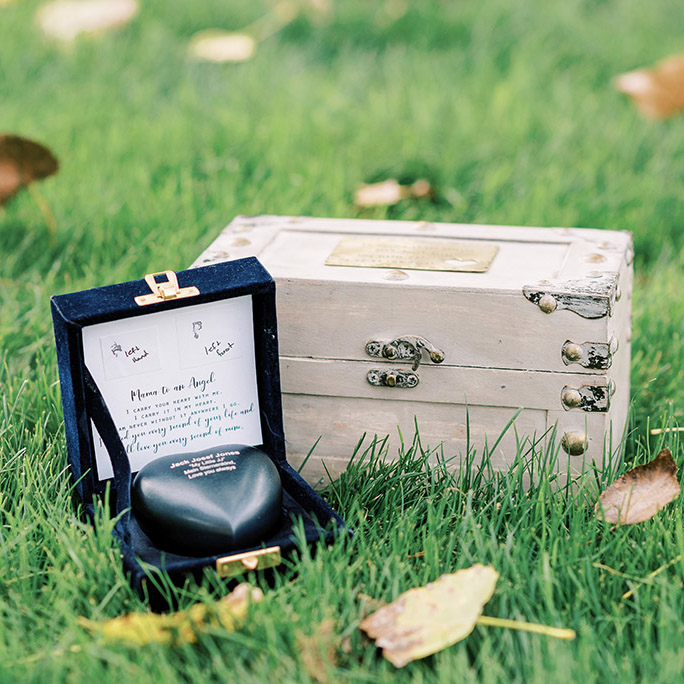
This month has been a whirlwind of pain, triggers, and generally not great behavior from both Russ and myself. Our eldest daughter, Elizabeth Shade-Ware, died unexpectedly in her sleep. Suffice it to say, I am a wreck...
“During pregnancy, a mother celebrates the journey with family and friends — think baby names, baby showers, nurseries, tiny clothes … smiles from strangers and proud hands on an ever-expanding belly. The journey of being pregnant is both personal and public. So, what should be one of the most magical experiences shared with family, friends, and colleagues becomes one of private emotional and physical trauma in a closed room, an experience that is then often not acknowledged nor spoken about. The mother returns home still looking pregnant, her hormones still acting as if she is pregnant, but her arms and heart are empty.”
September is Suicide Prevention Awareness Month. If you are military-connected then you know the 22-veterans-a-day average. You’ve seen the blue ribbons plastered everywhere on base/post. If you are a veteran or caregiver, you’ve seen similar posters at the VA. You’ve probably gone to an annual suicide prevention training or two. You know the signs, you know what to look for and what to do if you are worried about someone’s safety. But nothing can truly prepare you for when it happens.
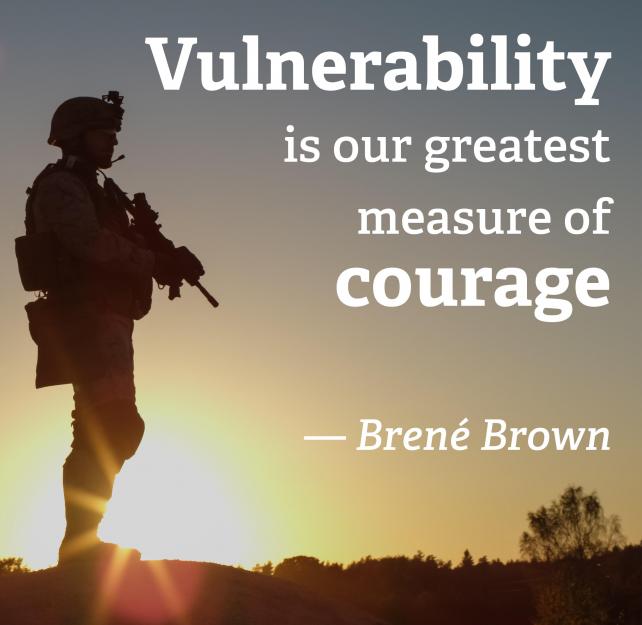
One lesson I have learned since I started meditating is the connection between courage and vulnerability. Yes, vulnerability. I know, it sounds like the antithesis of everything related to being a SEAL, but I have come to understand that while vulnerability and courage aren’t necessarily the same thing, it takes courage to show vulnerability and, in turn, as you show more vulnerability, you actually become more courageous.
In the past, Russ and I would celebrate across oceans and time zones, sometimes a half hour off. Yes, really. Afghanistan is nine-and-a-half hours ahead of the east coast, 10-and-a-half from Texas. It was wild trying to sync up schedules but I would never turn down a 3AM-my-time video chat. I am grateful we don’t have to contend with that any longer. But Russ being home hasn’t made the transition from 2021 to 2022 any easier.
I have desiderium. There are aspects in my life I wish I could get back. There are things I miss. Things which once were true that will never be again.
In times of great distress, I sometimes forget that I am not alone in my struggles. I thought it might be helpful to hear from others in our community. I checked in with some caregivers and survivors, and here is what they had to say.
COVID-19 has ended those routines that made getting through the day so much easier for someone with brain injury. The effects have been challenging on some days and completely devastating on others.
When I was struck by a teenage driver back in 2010, I sustained a traumatic brain injury. In addition to my TBI, four new letters became forever intertwined with my brain injury: PTSD. Over the years, PTSD has proven to be harder to live with than a brain injury.
My brain injury journey has come with many unexpected twists and turns, making it an experience that is truly stranger than fiction. Many of the changes that came to pass after my brain injury were incredibly painful and life-changing. But not all the changes were difficult. Some were – dare I say – simply wonderful.
The consequences of mild traumatic brain injury turn worlds upside down. Headache, double vision, and balance difficulties are the most obvious problems, but less visible symptoms can be the most insidious and difficult to manage.
Our minds are both a beautiful and cruel playground, brain injured or not. Be careful about what you let on that playground, and when your thoughts seem to lean severely in a negative direction, recognize that in painful times, we sometimes think and believe things that are untrue
In one fell swoop, about as fell as swoops can get, all those hopes and dreams were off the table. Like most people who have suffered an accident like this, I eventually became depressed. I didn’t want to live half a life.
Working with any client can be challenging, but veterans can be especially difficult because of the warrior culture that they are used to. Here what veterans would like their mental health counselor to know before working with them.
I cannot remember the first time I recognized grief for what it was following our son’s traumatic brain injury, but it has come to feel like a familiar acquaintance. These are some coping strategies that have helped me get through to the other side of my own grief.
Pick up the pieces, fit them back together, and see what new and lovely creation you have forged. It won’t be the same, but you may even like the “new” you better. I hope so!
My relationship with clinical depression goes back almost three decades. For reasons that even those intimately familiar with brain injury would be at a loss to explain, my depression virtually disappeared after my injury.
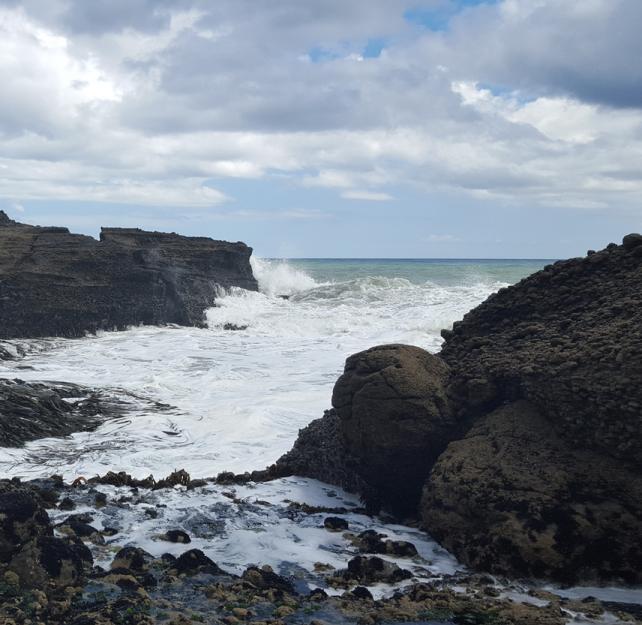
Brainline blogger David Grant understands the "rogue waves" of emotion that come with a TBI. "Like their aquatic counterparts, they originate out of nowhere, offer a bit of emotional catastrophic damage, then recede, sometimes as quickly as they came."