Use the filters to browse the information we have available or to narrow your search results for a specific audience (e.g. caregivers, military, children), a preferred type of content (e.g. videos, blogs, articles), or by topics of interest (e.g. family concerns, legal issues, symptoms).
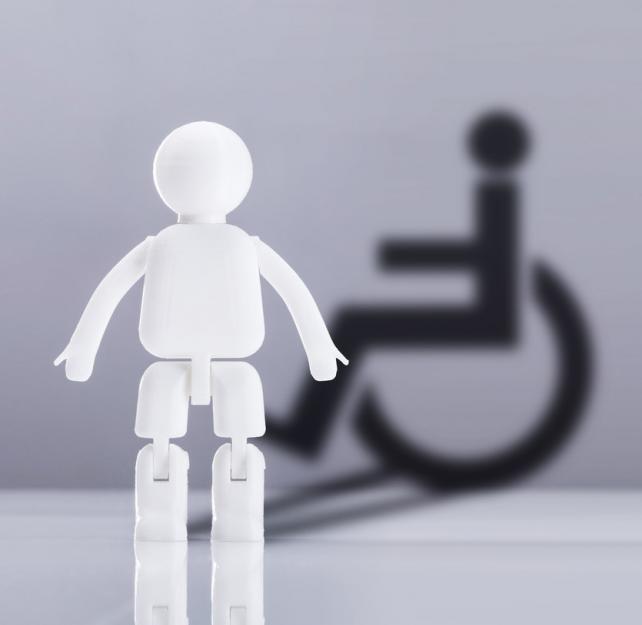
Over the last few years, the phrase "lived experience" has been gaining traction within the brain injury community. Early on after my injury, for many years in fact, I really didn't fully understand how much my injury would affect my daily life. As the years passed, I began to better understand what it meant to navigate life with an invisible disability.
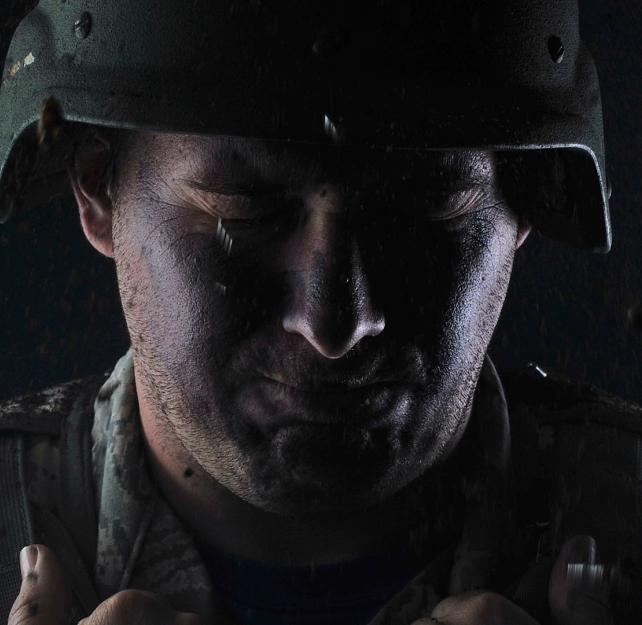
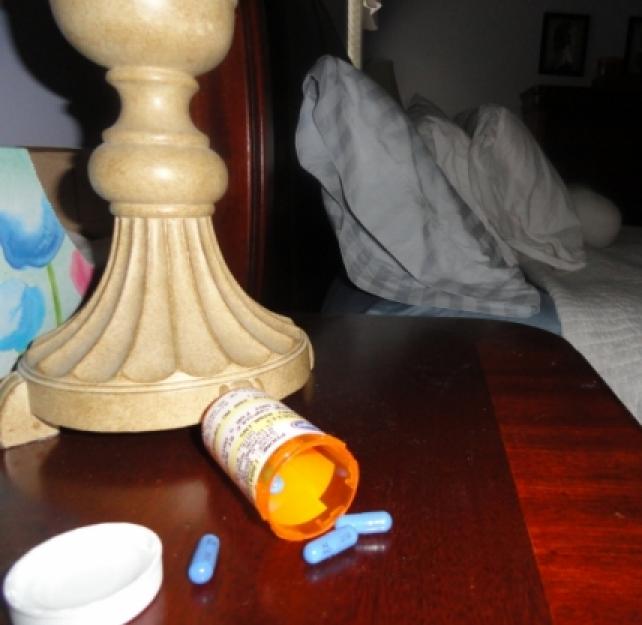
Living alongside David Grant's TBI was a treatment-resistant case of PTSD. For over fifteen years, he lived with innumerable night terror events. The kitchen calendar counted the bad nights. A good month noted three or four bad nights. A tough month, like last November, came with nineteen night terror events. Last November was as bad as it gets. Life was unsustainable… until it wasn’t.
There is more to wellness than treating brain injury alone. I am a living, breathing, oftentimes thriving human being with a whole lot more than just a brain injury.
Like so many other brain injury survivors, I appear to be okay. And while many know of my past history, many others think I am well beyond my brain injury challenges and struggles. Why wouldn’t they?
Duane France talks with Charlton Clarke, a licensed professional therapist and co-clinical director at the Family Care Center. Plus the reasons why service members avoid therapy and the resource segment highlighting Project Sanctuary.
In the military, risk and danger are part of the obstacles to overcome; many veterans, however, see the world as an unsafe place that they need to protect against once they leave the military.
Service members and veterans form intimate bonds with their teammates that will last a lifetime, yet struggle to form or reform intimate relationships with others
From all aspects of the pandemic, societal as well as scientific, we are still only months into learning the full scope of life after COVID-19. But I have a feeling that some people may be dealing with cognitive challenges for the rest of their lives.
Something that I talk less about these days is how brain injury still affects me. And there are times, times like I am about to share, that brain injury still rears its ugly head, and leaves me completely bewildered and baffled.
For close to nine years, I’ve been working on navigating life as a brain injury survivor. Thankfully, as time passes, my life as a brain injury survivor has gotten easier. Like any human being with a heartbeat, though, I have other health issues. These are health issues that need my attention and constant care. It is at the intersection of brain injury and some of my other health concerns where things can get very dicey.
Things take longer than they used to. I have slowed down. Sure, some of it can be attributed to getting older, but most of the new, slower pace that life has taken on is injury related. I’ve found that in that slower pace, life has become rewarding in very unexpected ways
There are no guarantees, but there are smart choices and strategies that can optimize recovery after brain injury The following is a list I compiled as my answer to the many people in the beginning stages of brain injury who have asked about my success over the years. I hope it helps.
Navigating the medical waters isn’t easy for anyone, but it can be particularly complicated and overwhelming for those of us who live with a brain injury. David Grant offers advice from his own experience.
My relationship with clinical depression goes back almost three decades. For reasons that even those intimately familiar with brain injury would be at a loss to explain, my depression virtually disappeared after my injury.
Being defined by your brain injury is different from sharing with a loved one what needs to be shared about the symptoms, says Brainline blogger David Grant.
At first, Rosemary thought Hugh was kidding around with his food. She soon found out he wasn't; he was "pocketing," part of left neglect that can come with brain injury.
Traumatic brain injury makes quirky seem quirkier, especially when a person is in the initial months of recovery. Rosemary learned that Hugh's loss of his sense of smell came with both dangers and quirkiness.