Use the filters to browse the information we have available or to narrow your search results for a specific audience (e.g. caregivers, military, children), a preferred type of content (e.g. videos, blogs, articles), or by topics of interest (e.g. family concerns, legal issues, symptoms).
A study examining the effect of the immune receptor known as Toll-like Receptor 4, or TLR4, on how memory functions in both the normal and injured brain has found vastly different cellular pathways contribute to the receptor's effects on excitability in the uninjured and injured brain.
Everyone in the family is affected by a brain injury. Your role within the family has changed and the role of your family member with TBI may also have changed. Here are some tips and strategies to assist families during this time of transition.
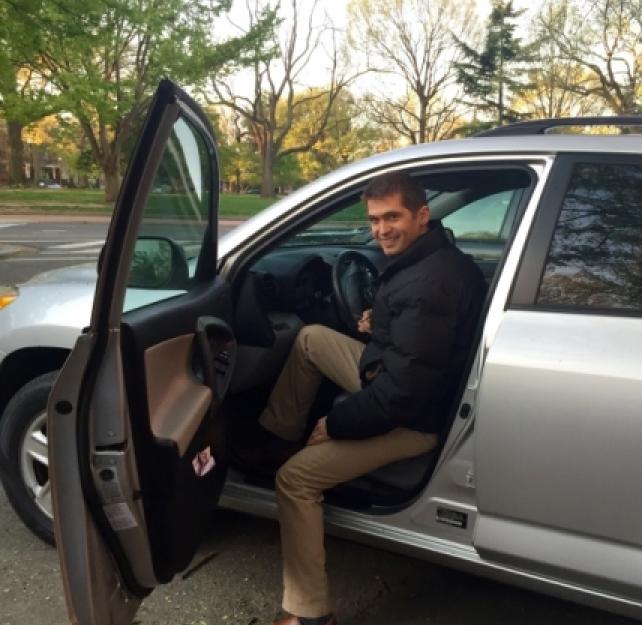
Connor Martin reflects on his childhood with his brother, veteran and athlete Kevin Ash, the man who taught him to drive stick and loved having him around.
Does success translate into riding a horse again, returning to your pre-military job as an accountant, or coaching your kid’s Little League team? Staff at the Home Base Program understand that what success looks like for one military member with TBI and/or PTSD may look 180-degrees different from that of another. Using evidence-based guidelines to drive their therapeutic regimens as well as applying lessons learned from helping thousands of people in the program, Home Base providers are not only fine-tuning what they do each day but also learning and creating the next generation of effective therapies.
Becoming a parent and a caregiver at nearly the same time has taught me much about learning to hold on and let go in life. In some ways, the demands of these two roles are not so different. In other subtle ways, they are quite distinct.
When I started treatment again for my PTSD, I said that I'd give it 90 days. No sudden or irrational decisions, just a three-month treatment test drive. Ninety days have come and gone, but here I am, still not seeing any relief. What do I do?
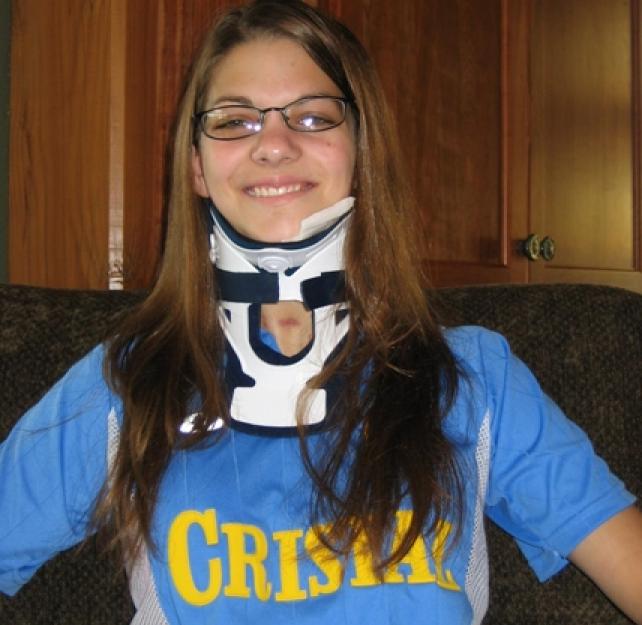
What happens when the drive to play outweighs the potential risk of injury? Some high school athletes are finding ways around the precautions coaching and medical staff take to ensure their safety.
People with brain injury often experience hypersexuality, an increase in sex drive and/or disinhibition. Glenn Parkinson, MSW talks about why it's important to help patients with hypersexuality retrain or redirect their behaviors.
Of all my post-TBI challenges, it is the speech difficulties that most affect my self-worth. Lost in a sea of garbled words, I feel less than the rest of humanity.