Use the filters to browse the information we have available or to narrow your search results for a specific audience (e.g. caregivers, military, children), a preferred type of content (e.g. videos, blogs, articles), or by topics of interest (e.g. family concerns, legal issues, symptoms).
Like so many others who share my fate, I get a bit reflective every year around TBI anniversary time. I now allow myself to look to the future with hope, a realistic hope that I will continue to heal. But there was a day that someone stole my hope and left me completely and utterly devastated.
Dr. Jeffrey Kreutzer talks about why it's important to talk openly with people affected by brain injury about emotional and psychological recovery in addition to medical and physical recovery.
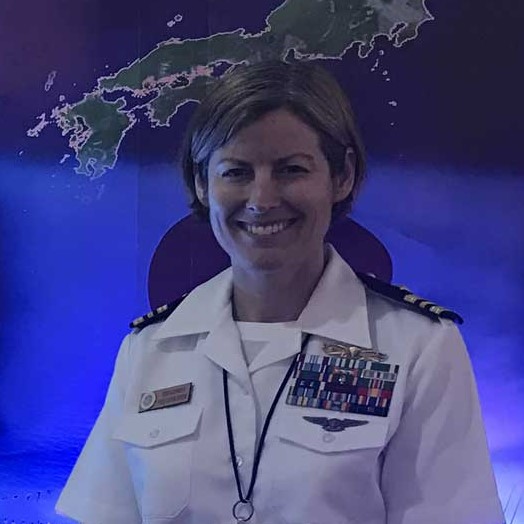
Navy Capt. Paul S. Hammer, director of the Defense Centers of Excellence for Psychological Health & Traumatic Brain Injury talks about why the brain is the most important organ in the human body.
Memory is the brain taking in, keeping, recalling, and using information. A brain injury can affect any of these facets of memory. And it can also make it hard to learn and remember things.
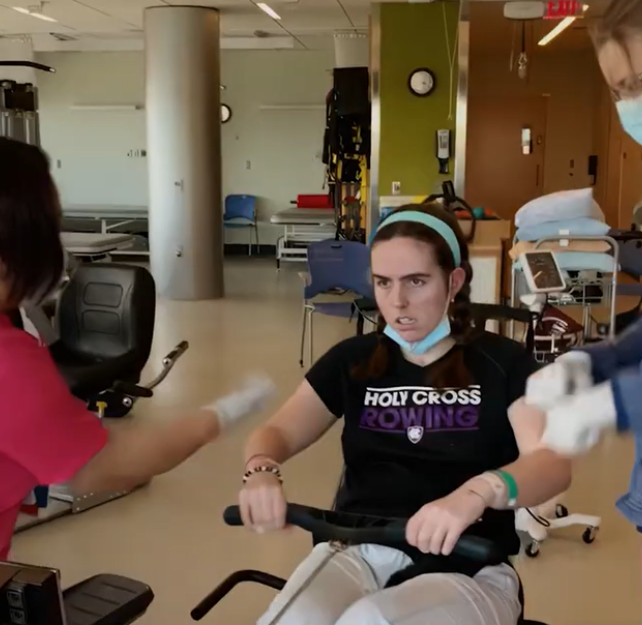
Recovering from Disorders of Consciousness follows the powerful true story of Hannah Strom, a young woman who survived a severe traumatic brain injury (TBI) and spent weeks in a disorder of consciousness. Through her journey — and the experiences of patients, families, and clinicians — this video explores how consciousness can slowly return, why early prognoses are often uncertain, and how specialized inpatient rehabilitation can change outcomes after severe brain injury.
The eight levels of the Rancho Los Amigos is an evaluation tool used by the rehabilitation team to describe the pattern or stages of cognitive recovery typically seen after a brain injury.
“Long COVID is an umbrella term for the many post-acute consequences that result from COVID-19. The more we learn, the more we see that COVID-19 can affect nearly every organ in the body — from the heart and brain to the lungs, kidneys, skin, and gastrointestinal (GI) tract. We are still learning, but we need to listen to our patients, validate their experiences, and treat their symptoms.”
The evening should have been one of the most memorable and enjoyable evenings of my 25-year military career. Instead, I nearly destroyed it because I couldn’t control my drinking.