Use the filters to browse the information we have available or to narrow your search results for a specific audience (e.g. caregivers, military, children), a preferred type of content (e.g. videos, blogs, articles), or by topics of interest (e.g. family concerns, legal issues, symptoms).
The interesting thing about brain injury is being left with a before and after—lifetimes separated by that one moment that changed everything. Last week Nicole and her family set out on an old, but once again new, adventure...
I’m glad I can still remember when my dad was invincible. It’s all I kept thinking, over and over again. Is this as terrible as it sounds? Should I cry? What do we do? How did we get here?
“This isn’t a sprint, it’s a marathon.” We needed to slow down because this thing was going to be with us for a while. The quote reminded our family to conserve our strength, energy, and abilities to stay the course...
What just happened? Can I handle this? And the one question many TBI spouses ask themselves: Will my husband ever be the same? Will I ever be the same?
As TC and I prepare for the upcoming birth of our second child, my head is filled with all the anticipation and questions you’d expect from any new parent. But it’s also filled with the unique worries that can only accompany the experience of expanding your family in the aftermath of brain injury.
Since his injury, my husband and I have come to agree on one point: we will never fully understand each other’s struggle in this mess. And while we can never hope to fully appreciate the depth or complexity of each other’s experiences, we do our best to stay constantly respectful of the hard work that keeps us going.
If someone you care about has a loved one who has sustained a traumatic brain injury and they tell you all is well, don’t believe them. Look beyond the surface.
About a week into one-sided conversations, I began to get a little pissy. Yes, pissy is a word, ask the wife of any combat veteran. So I came up with three options for how to deal with this.
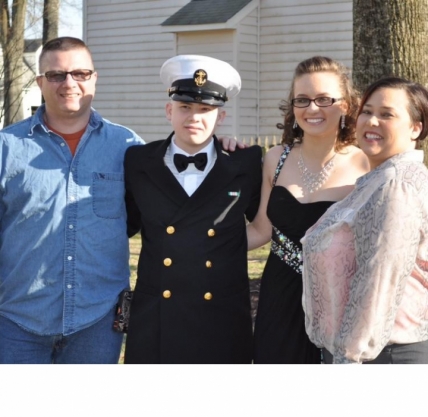
Retired Navy Senior Chief Petty Officer Brian O’Rourke's multiple brain injuries affected his relationships with his family for years. He denied it for a while, but his family encouraged him to seek help.
It’s called ambiguous loss. A loved one is physically present, yet transformed in countless, often subtle ways, that alter his essence. For couples coping with brain injury, it’s the elephant in the room.
In that first night, within those initial moments, you stole many of our hopes, dreams, and chances at the things we used to take for granted. In place of them, you gave challenges, frustrations, and endless new maps to navigate.
Recently, life unfolded in a way I never saw coming. The raw, gut-level emotional pain was unimaginable. And for the first time ever, I decided that a topic was too raw, too real, and too emotional to even consider writing about. Until now.
It was the first year of my dad’s brain injury. He was nasty. I was nasty. I don’t regret much, but I certainly regret telling my father that I hate him and that he can’t come to my wedding.
Teens need to be able to talk about their plans and concerns with adults, but it can sometimes be difficult for adults to get out of the driver’s seat and let the teen take charge.
A moment of being distracted means a moment of escaping my reality… Maybe, without realizing it in your own stressful situation, you have practiced what I call "distracted survival skills."
The bad days suck. They suck more than we let on to most people, and they drain us emotionally for days afterward. Perhaps the best way to describe it is this...
In learning the stories of other TBI survivors and caregivers, I feel an immediate kinship, a sense of connectedness to those with a shared experience. But there is also a downside.
In the midst of crisis, between panic and hysteria, thoughts creep in. How did this happen? What could I have done? These questions form the beginning of a long line of self-recriminating thoughts that haunt many caregivers...
Caregiving is a strange, beautiful, complex thing, but it's even more complicated when you're in the position of providing care for your partner or spouse.
The Pearce family misses Army life. They not only lost the stability a healthy father would provide but also an entire way of living — the extended family that the Army creates. After years of struggle, they've found...