Use the filters to browse the information we have available or to narrow your search results for a specific audience (e.g. caregivers, military, children), a preferred type of content (e.g. videos, blogs, articles), or by topics of interest (e.g. family concerns, legal issues, symptoms).
To be a caregiver at home for someone who is severely injured is to surrender. You surrender your time, put your ambitions on hold, and surrender many of the simple pleasures. You also surrender your peace of mind, your good night’s sleep, and routine. But there are ways to make life a little easier and more enjoyable...
Faced with a condition for which mainstream medicine has no satisfactory treatment, what should a reasonable and prudent person do? Accept the dismal verdict or cautiously explore alternatives?
Brain injury affects the roots of who we are — our ability to think, communicate, and connect with other people. Here's a good place to start learning.
My son’s brain injury has taught me over and over again that I often have little control over life’s circumstances. But that does not mean I throw caution to the wind. Here are a few things we've learned regarding legalities and Taylor's ongoing care and future.
Sometimes unexpected and unrelated medical conditions can exacerbate my traumatic brain injury symptoms. I have known this for years, but have just learned a new lesson about how true this can be.
The path of brain injury is a lonely one, not only for the survivor but also for the caregiver. Often family and friends, who gratefully were available during the initial event, return to their lives. It’s expected. return to their lives. It’s expected. But, their absence and support often leave the survivor and the caregiver with feelings of loneliness and abandonment.
In 2010, I found myself in the sandwich generation between two people I adored, my 70-year-old father and my 12-year-old daughter, both of whom suffered serious insults to the brain.
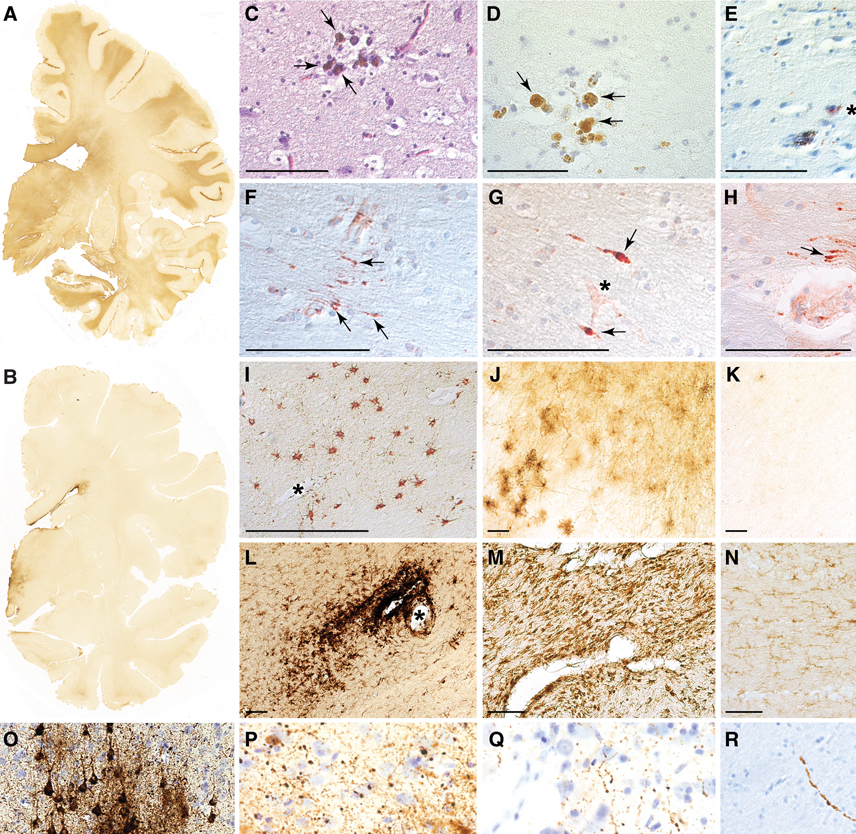
A study published in Brain, a journal of neurology, presents the strongest case yet that repetitive hits to the head that aren't concussions do cause CTE.
If I am busy with every little thing, then I don’t have time to be sad, angry, feel hopeless or miss our lives and the son I knew before. I can diminish the magnitude of Taylor’s injury. It just won’t hurt as much, until it hurts like hell and can’t be ignored. So here is what I learned in my own version of spin class.
Mild blast traumatic brain injury (bTBI) accounts for the majority of brain injury service members and veterans but the mechanisms of primary blast brain injury continue to be disputed. Addressed in this review are blast wave transmission through the skull, direct cranial transmission, skull flexure dynamics, thoracic surge, acceleration, and cavitation.
The list was written from my own experience as a combat veteran, and from what I’ve learned from veterans in my own work; this post is looking at things from the other side, based on my experiences as a mental health counselor.
There are times when it feels like things cannot get any more surreal, and then they do. Such is the unexpected life that unfolds for so many of us after brain injury.
What do readers in the brain injury world want? I can only guess that like me; they want it all: practical solutions, resources & references, a place to vent, a place to grieve, a place to interact with people who "get it."