Use the filters to browse the information we have available or to narrow your search results for a specific audience (e.g. caregivers, military, children), a preferred type of content (e.g. videos, blogs, articles), or by topics of interest (e.g. family concerns, legal issues, symptoms).
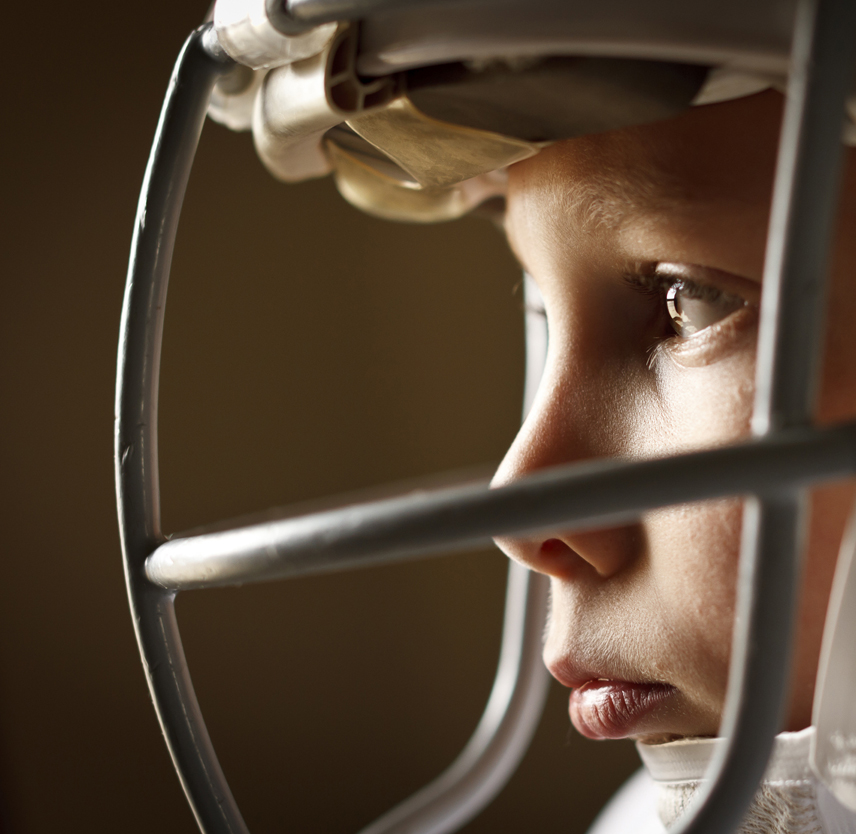
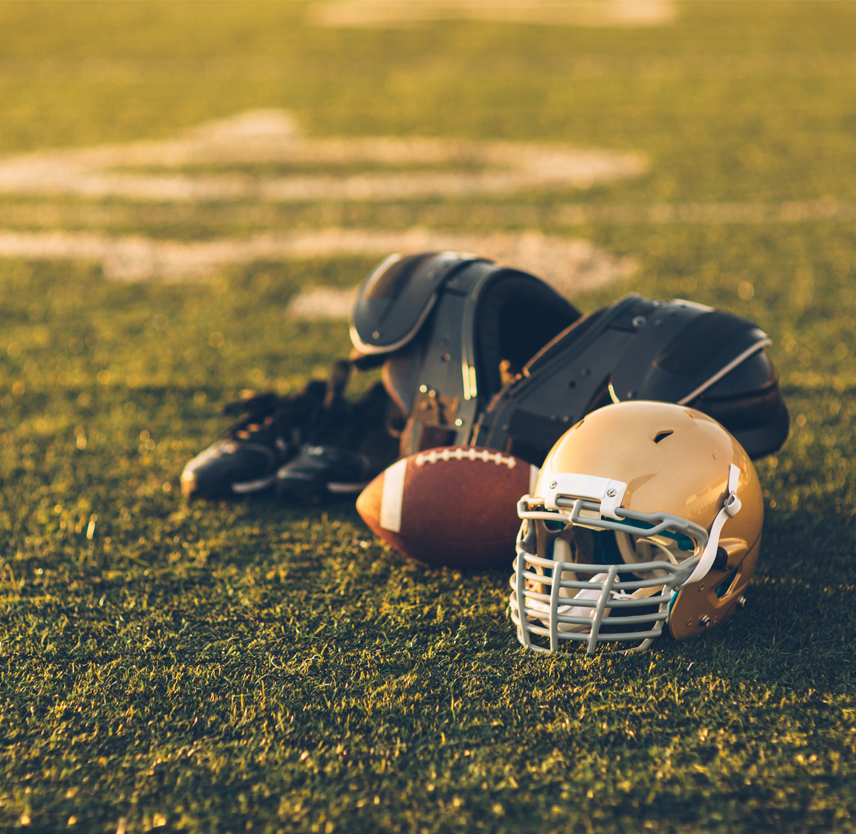
In 45 retired NFL athletes, there were no associations between pre-high school football and neuroradiological, neurological, and neuropsychological outcome measures.
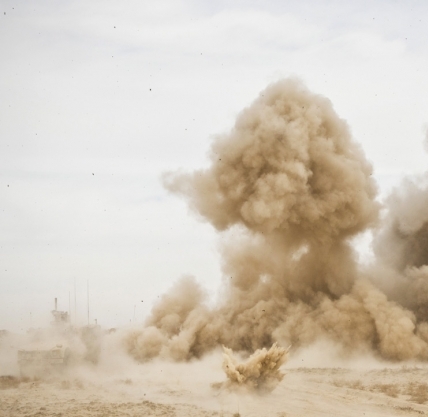
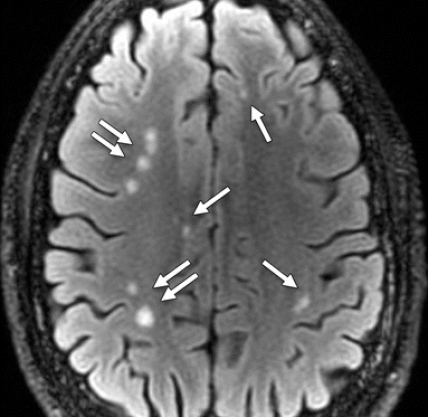
Many military personnel who experience blast-related traumatic brain injury (MTBI) have lasting brain damage as seen by MRI, according to a study published in Radiology.
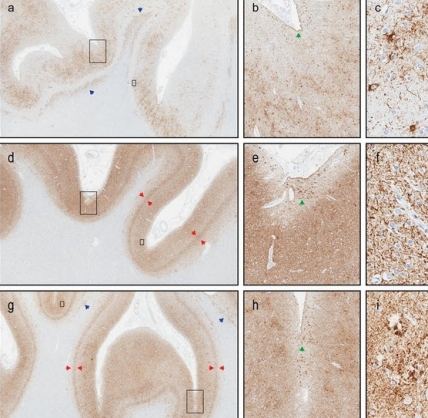
The neuropsychological findings of a 25-year-old former college football player who was diagnosed with chronic traumatic encephalopathy (CTE) postmortem.
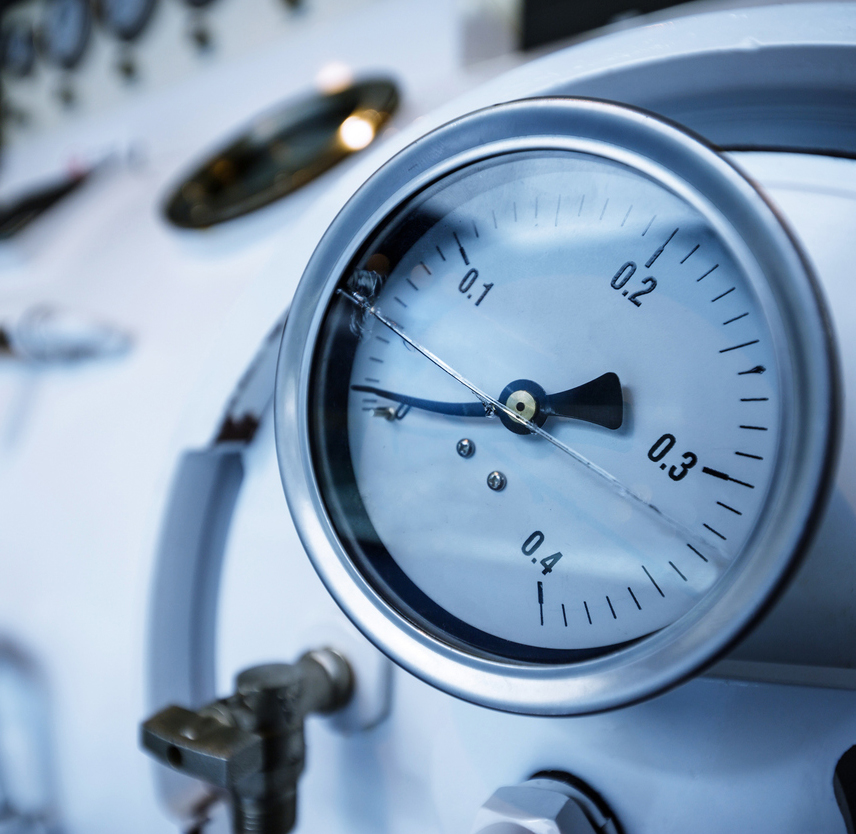
A 2015 report from the Office of Government Accountability says the 32 peer-reviewed studies on the effectiveness of the HBOT for traumatic brain injury and post-traumatic stress came up with mixed results.
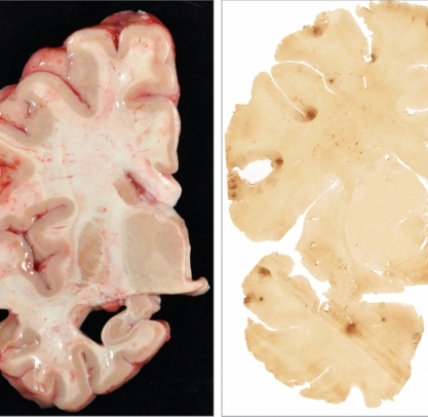
A Mayo Clinic study links amateur contact sports — football, boxing, wrestling, rugby, basketball, baseball and others played while in school — with the development of CTE, which when severe can affect mood, behavior, and cognition.
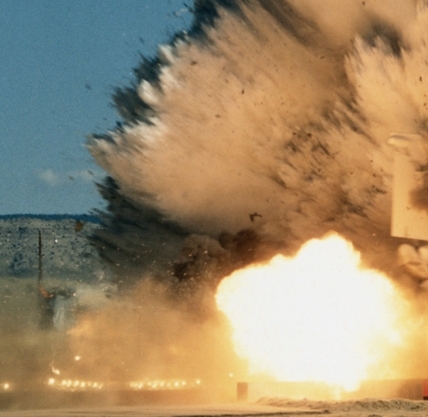
A new system that has been shown to record for the first time how brain tissue deforms when subjected to the kind of shock that causes blast-induced trauma commonly seen in combat veterans.
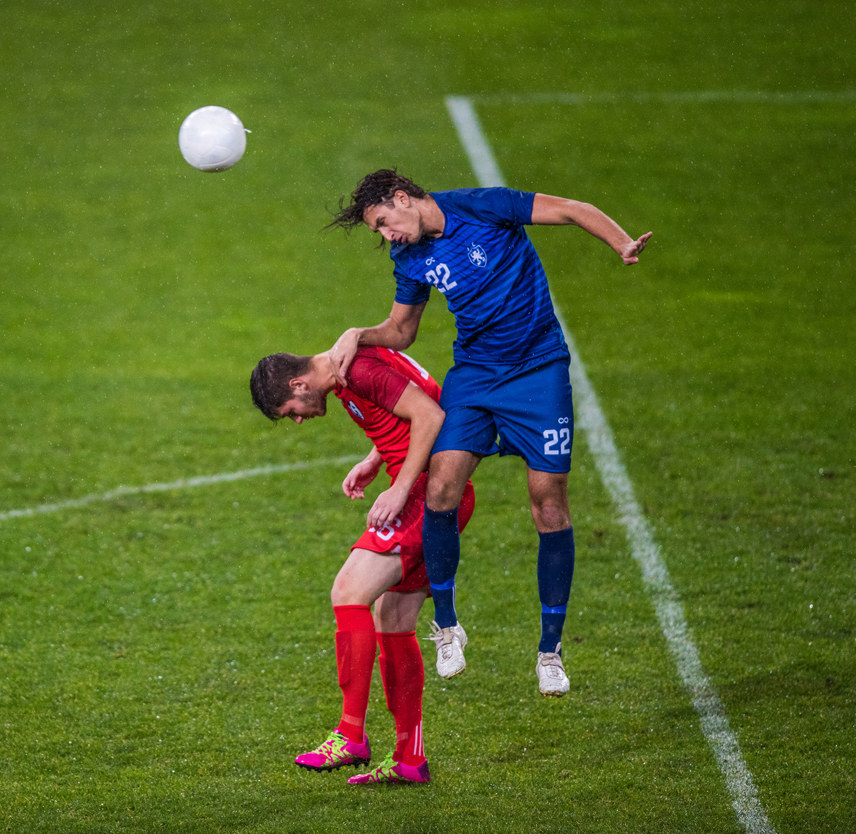
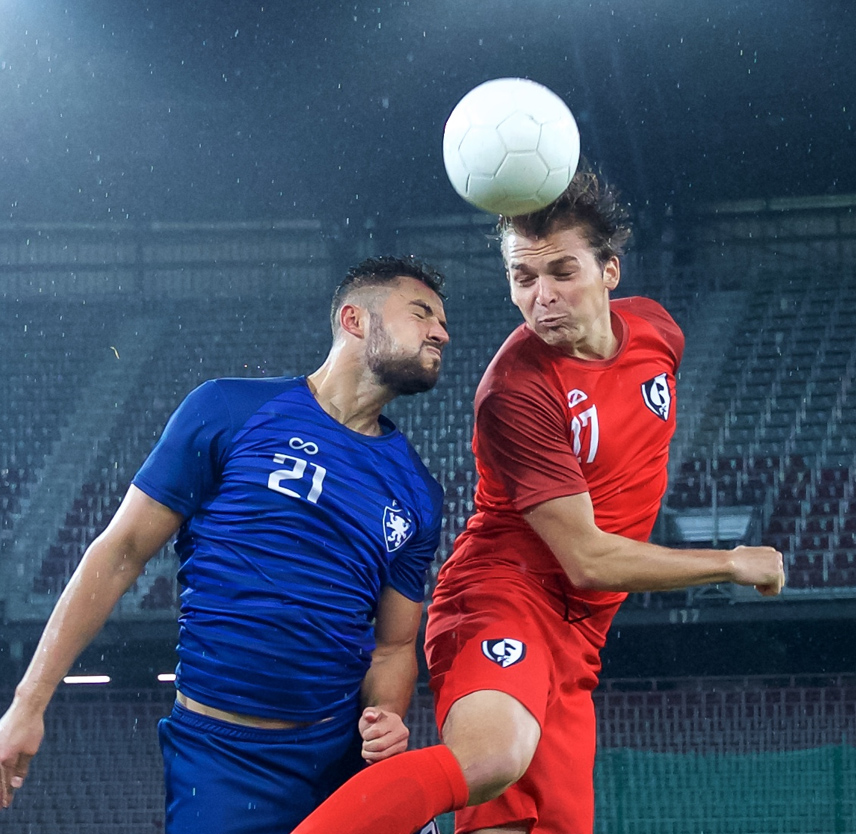
Contact with another player was the most common way boys and girls sustained concussions in a study of US high school soccer players, while heading the ball was the most common soccer-specific activity during which about one-third of boys and one-quarter of girls sustained concussions.
Although the military is a young and vigorous force, service members and veterans may experience sexual functioning problems as a result of military service.
People with TBI often had higher expectations for work and social life than their post-acute program staff recommended, a discrepancy partially attributed to TBI-related cognitive disorders.
Age, gender, time since injury, independence in activities of daily activities, depression, and self-esteem all played a role in issues of sexuality following a brain injury.
Studies show that combining rehabilitation for attention issues and physical mobility may be effective for those recovering from a severe brain injury.