Use the filters to browse the information we have available or to narrow your search results for a specific audience (e.g. caregivers, military, children), a preferred type of content (e.g. videos, blogs, articles), or by topics of interest (e.g. family concerns, legal issues, symptoms).
Although other treatments for second impact syndrome are being studied, the two hallmark treatments now are rest and removal from play. They should not be underestimated.
Dr. Geoffrey Ling talks about the military's success in creating a standard, system of care for TBI — from immediate assessment to admittance into a concussion restoration center.
Pediatrician Rachel Berger talks about her research on blood biomarkers that could be used in the emergency setting to test for brain injury in babies and young children.
Pediatrician Rachel Berger talks about the importance of being aware of a child's early concussion in case later he or she has trouble reading or is acting out ... the two may be connected.
Unlike adults, children with a brain injury may not manifest any issues until they fail to reach a new developmental stage. Earlier intervention is always advisable, but diagnosis can be tricky.
Both CTs and MRIs come with risks — from sedative drugs to levels of radiation. Depending on the severity of brain injury, parents and doctors should always consider the risk-benefit ratio.
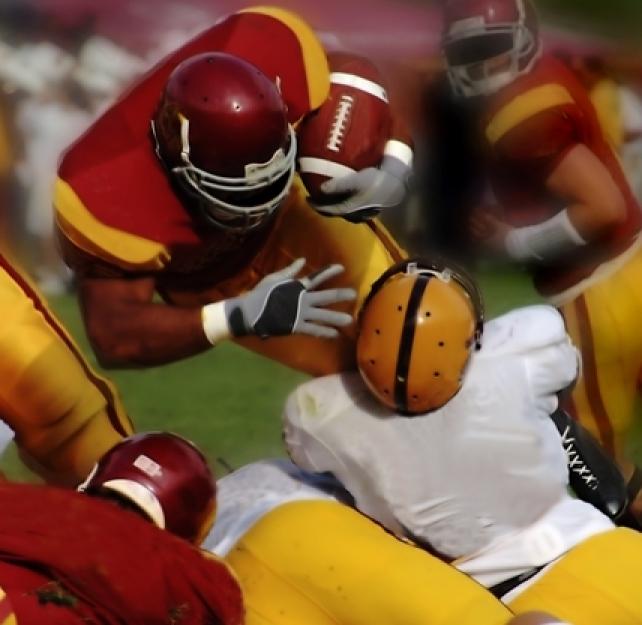
The benefit of sports for kids far outweigh the risks, especially if athletes, coaches, and parents realize sports are for fun and health, they are not a career.
Chronic traumatic encephalopathy can only be tested post-mortem, but George Visger, who suffers from hydrocephalus, has offered his brain for testing next time he needs brain surgery.
Sometimes people come to think of acceptance as a dirty word, but learning to grieve for the old person and embrace the new one post injury is crucial.
Therapist Taryn Stejskal talks about the Solution-Focused Therapy Model that uses questions like the Exception Question and the Miracle Question to help people engage in their own problem solving.
Family or couples therapy after a TBI can help with strategies but can also address some of the issues the family or couple may have had prior to the injury.
Life is not always "candy and ponies," but for people with TBI who have lost something integral to their identity, sometimes finding the spirit of that trait can open new doors.
When Dr. Taryn Stejskal meets with couples, first she listens to their story then works with them to form strategies that work for their individual issues.
Until recently, retired NFL player George Visger said he'd never trade his football career with its friendships and experiences for anything. But now he tells a different story.