Use the filters to browse the information we have available or to narrow your search results for a specific audience (e.g. caregivers, military, children), a preferred type of content (e.g. videos, blogs, articles), or by topics of interest (e.g. family concerns, legal issues, symptoms).
A few weeks ago, I had the opportunity to share with a group of caregivers and survivors at a rehab. From the moment they entered the gym, I sensed their exceptional spirits. This was not surprising, as I have discovered the brain injury community to be comprised of the finest people you will ever encounter.
It’s called ambiguous loss. A loved one is physically present, yet transformed in countless, often subtle ways, that alter his essence. For couples coping with brain injury, it’s the elephant in the room.
The Amazing Brain Injury Survivor Support Group in Framingham, MA, shares what they wish they had known earlier about living with brain injury. We invite you to add your thoughts as well!
While the fields of medicine and psychology have argued for strict boundaries between patients and their doctors, other professional bodies have begun to recognize the value of sharing their own narrative.
As caregivers, we have to tread very delicately in interpreting our loved one’s behavior. When our default assumption is to blame brain injury, we run the risk of creating self-doubt in the survivor.
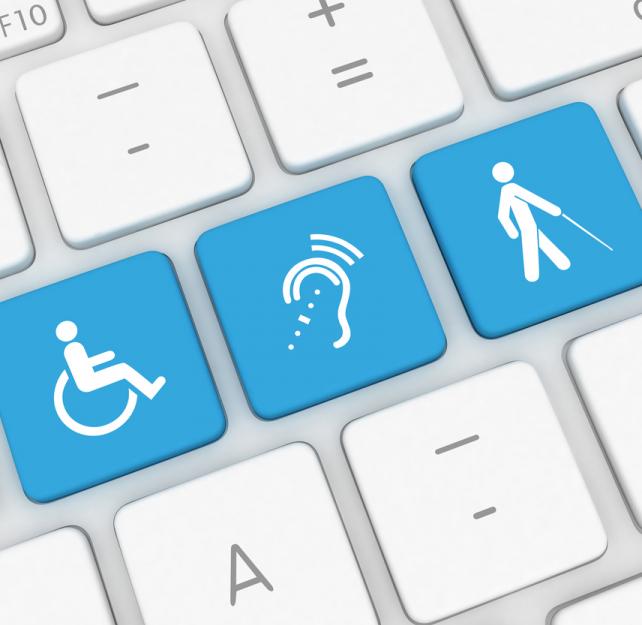
People with brain injury can have problems with accessibility. They can run into countless obstacles — from websites that don’t take into account someone with vision problems or memory problems to buildings without wheelchair access. Here's what you need to know.
Since the knock on our door, I have earned the title of being an overcomer. Against all odds I have watched my son complete college classes, endure endless hours of grueling therapy, and bravely try every technology available to aid his recovery.
“TBI is not a derogatory term. It is not career-ending. Hiding it from everyone else is derelict. You could get other people killed. If you don’t ask for help, it makes you less of a man.” Read Karl Holt's story.
Service members and veterans are experts at calculating and mitigating risks in the military but engage in high-risk behaviors outside of the military environment
There is a nice thing about learning to live after a brain injury. Once you realize you can live life again, most everything else seems like a cakewalk.
As a survivor, I distinctly define the before and after. Everything was profoundly different in the before, and now we exist in the after. I can almost see the marker in my mind. This is what the after looked like a few nights ago...