Use the filters to browse the information we have available or to narrow your search results for a specific audience (e.g. caregivers, military, children), a preferred type of content (e.g. videos, blogs, articles), or by topics of interest (e.g. family concerns, legal issues, symptoms).
A couple of years ago, I was not sure if I would be able to keep the gears of life turning. Time has shown that while the gears occasionally grind, they are still in motion. I am profoundly grateful for that.
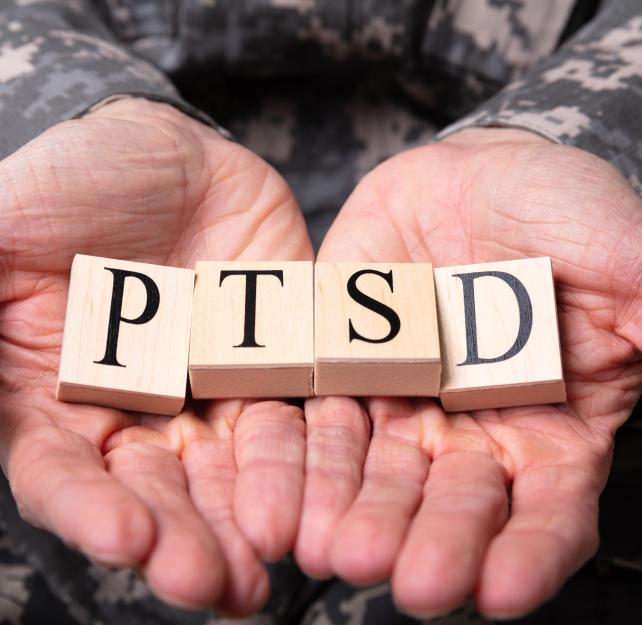
My friends deployed to the same places I did and are all fine while I am struggling with PTSD. What is wrong with me? Dr. Klassen answers your questions about mental health treatment.
Mind-full can be messy, sad, overwhelming, unproductive … and definitely not healthy. Mindful, on the other hand, is calming and satisfying; it can bring me back to my best self.
"Caregiver expectations can cloud over concrete facts. I now find it amazing how many times I had to be told that we would not go back to our old life before I believed it."
A few weeks ago, I had the opportunity to share with a group of caregivers and survivors at a rehab. From the moment they entered the gym, I sensed their exceptional spirits. This was not surprising, as I have discovered the brain injury community to be comprised of the finest people you will ever encounter.
There are times when it feels like things cannot get any more surreal, and then they do. Such is the unexpected life that unfolds for so many of us after brain injury.
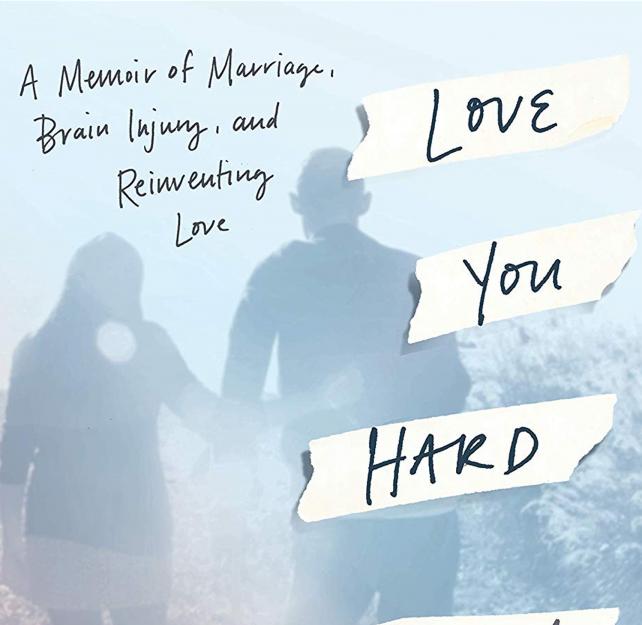
This book packs a lot of wisdom. You’ll learn about aphasia; you’ll understand ambiguous loss; you’ll follow Abby down dark hallways and into sunlit rooms and learn what it means to own a life built on raw truth.
During a season that often seems to uncover and amplify old wounds, it is especially important to remember that brain injury has left us each with our own post-traumatic scars. Caregivers struggle to understand survivors. Survivors struggle to understand caregivers. The best we can do is to allow ourselves an extra breath to ask, “What’s really important at this moment?
Trauma can be a strange and often insidious beast. We can be traumatized by directly being impacted by an event like a violent physical attack, a rape, a natural disaster, or an experience in combat, but we can also be traumatized indirectly by caring for, hearing about, or witnessing the intense suffering of others. Both the direct and indirect impact of traumatic events can lead to post-traumatic stress disorder (PTSD).
I wish I had found Alix Kates Shulman’s memoir "To Love What Is: A Marriage Transformed" in the first month of my husband’s severe TBI, and yet I may not have absorbed it the way I did reading it fifteen years post-injury.
My verbal and emotional filters were shredded by my injury. I was, well… rather abrupt, unthinking, unfiltered, and a different person than I was before my injury. Did I say something offensive that drove him away?
The losses due to a brain injury are “moving targets” which continue to change over a long period of time: thus the losses are “mobile.” The injured individual and their family can't fully grieve lost abilities because there is no way to know which abilities are lost forever and which will eventually return.