Use the filters to browse the information we have available or to narrow your search results for a specific audience (e.g. caregivers, military, children), a preferred type of content (e.g. videos, blogs, articles), or by topics of interest (e.g. family concerns, legal issues, symptoms).
Brain injury affects the roots of who we are — our ability to think, communicate, and connect with other people. Here's a good place to start learning.
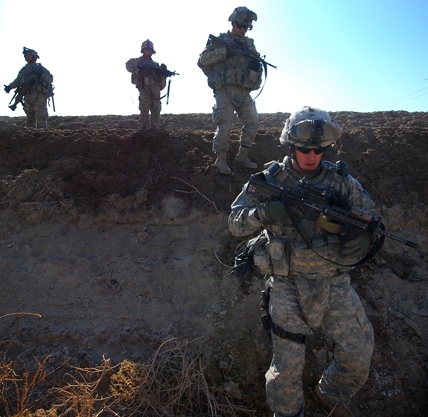
U.S. Navy Ensign Timothy Bleigh clearly recalls when the bomb went off. The Mine-Resistant Ambush Protected (MRAP) tactical vehicle flipped several times through the air before it landed partly on its roof. Bleigh shares his story and reflects on how his difficult recovery, which included a Traumatic Brain Injury (TBI), influenced how he approaches patient care.
Because traumatic experiences are frequently unresolvable or difficult to make sense of, the stories we tell about them lack a resolution as well. I’m reminded, for example, of a story relayed to Michael Herr, a war correspondent who spent a year in Vietnam and later wrote a book titled Dispatches about his experiences there. (He also co-wrote Full Metal Jacket with Stanley Kubrick.)
Faced with a condition for which mainstream medicine has no satisfactory treatment, what should a reasonable and prudent person do? Accept the dismal verdict or cautiously explore alternatives?