Use the filters to browse the information we have available or to narrow your search results for a specific audience (e.g. caregivers, military, children), a preferred type of content (e.g. videos, blogs, articles), or by topics of interest (e.g. family concerns, legal issues, symptoms).
Dr. Bombardier explains the importance of seeing a therapist that is familiar with brain injury and how to accommodate limitations that may come up during therapy.
Depression is something that can be a big part of the picture when it comes to recovery from a brain injury. Dr. Artherholt explains why treatment is critical.
40-50% percent of the brain is involved in vision; so if a person’s brain is damaged in a specific location or several locations, there is a high probability that his vision will be affected in some way.
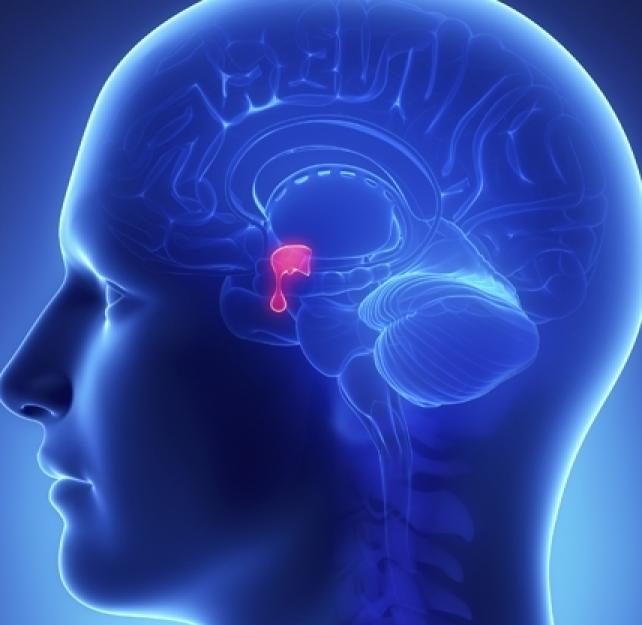
Symptoms of hypopituitarism — a condition in which the pituitary gland does not produce normal amounts of some or all of its hormones — would most likely show up soon after a TBI.
More than 50 percent of people suffer from chronic pain disorders in the years following a brain injury. Getting the right treatment can be complex, but doable.