Use the filters to browse the information we have available or to narrow your search results for a specific audience (e.g. caregivers, military, children), a preferred type of content (e.g. videos, blogs, articles), or by topics of interest (e.g. family concerns, legal issues, symptoms).
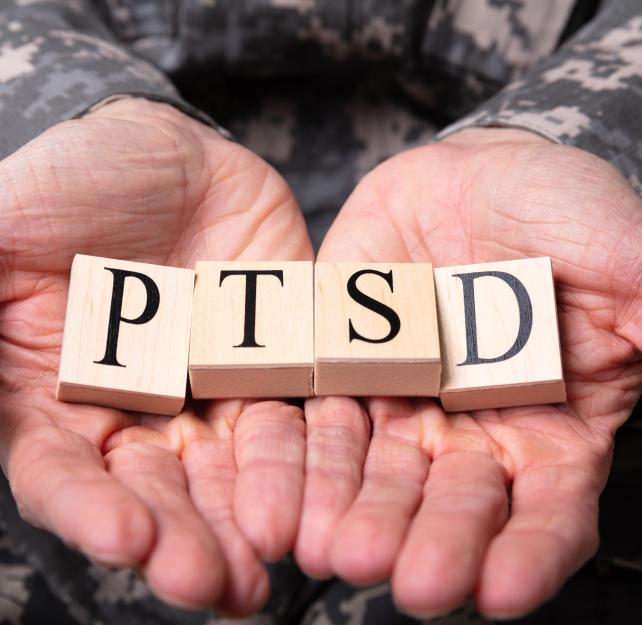
A recent study conducted by researchers at New York University and published in the Journal of the American Medical Association (JAMA) has led many to believe the leading evidence-based psychotherapies for PTSD do not work for up to two-thirds of patients.
Our findings at Wounded Warrior Project® (WWP) show very different results.
Anger and irritation after a brain injury are common. Those emotions can be difficult to control, leading to trouble in relationships or at work. Researchers are learning new ways to identify and lessen those feelings. Here are resources that provide information and support for those with brain injury and their families.
Caring for someone with a brain injury can be challenging sometimes. After a brain injury, people often behave differently than they did before. Sometimes people become more angry or irritable. Finding ways to accept and cope with these emotions can help you and the person you love. Here are some ideas that might help:
Anger and irritability are common side effects of a brain injury. They’re heightened when we view other’s actions through a negative lens. Here are some strategies to help reduce anger, irritation, and aggression. Sometimes it helps to PAUSE before you react:
Questions about how to manage emotional reactions in people with brain injury, how to address caregiver concerns, and other issues are answered by Dr. Dawn Neumann.
Imagine waking up one morning and your loved one lost the ability to recognize and empathize with your feelings. For the last couple of decades, researchers have been showing this to be a common outcome for people who have suffered a traumatic brain injury.
After his brain injury, her husband "never comforted her in times of sadness or worry...He never participated in her joys, not even when their first child was born. Was this because he didn’t care?"
The Brain Injury Research Center at Mount Sinai Hospital is seeking volunteers who have had a traumatic brain injury and are experiencing difficulties in any of the following areas: • Understanding emotions • Feeling upset for no reason • Losing patience • Controlling behavior • Getting things done when upset • Taking it out on others when upset This online study delivers an emotion regulation