Use the filters to browse the information we have available or to narrow your search results for a specific audience (e.g. caregivers, military, children), a preferred type of content (e.g. videos, blogs, articles), or by topics of interest (e.g. family concerns, legal issues, symptoms).
My early year look-backs were filled with profound sadness, and a sense of loss so overwhelming that I felt smothered by it. Thankfully, that is no longer the case. It’s been long enough that I’ve all but forgotten who I was before my brain injury; that person no longer exists. The very fact that I’m no longer bothered by this is a sure sign that my soul is growing.
Like so many other brain injury survivors, I appear to be okay. And while many know of my past history, many others think I am well beyond my brain injury challenges and struggles. Why wouldn’t they?
Last month, I marked a significant milestone in my life as I celebrated 30 years of sobriety. And, in what amounts to a “whoever would have thought it,” moment, being a sober person in recovery has made my brain injury journey easier. In fact, it literally saved my life.
As my 60th birthday approaches, the internal emotions are ramping up. Over the years, I’ve heard the saying that health is one of those things you never fully appreciate until it’s gone. While this is definitely true, most often it’s used in reference to physical health. But what happens when your mental health is compromised?
While packing for our trip, I never suspected that PTSD would steal a ride with us, but two of our four nights away found me with the type of horrifying PTSD episodes reminiscent of the early years after my accident.
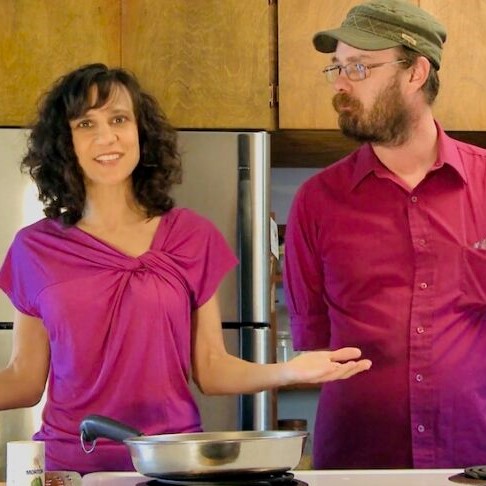
How does a traumatic brain injury affect the way you cook and eat? Filmmaker Cheryl Green, who has a brain injury, satirizes her own experiences in the kitchen in a short video called “Cooking With Brain Injury.”
These are difficult times. Life is challenging enough for the fully-abled, but add a traumatic brain injury to the mix, and things can get downright overwhelming.
Every year since my 2010 traumatic brain injury, I’ve taken the time to reflect back on changes that have come to pass during the prior year. This past year was no different, although what my reflection showed was not what some may call progress. Progress is not always measured with tangible facts.
Members of the medical community literally take their lives in their hands every day they go to work. It’s hard not to feel a bit humbled by that courage. My first face-to-face encounter with First Responders was just over a decade ago. In November of 2010 fate saw fit that most of the First Responders from our Main Street Fire Station and I would meet.
In just a few days, the ten year anniversary of my cycling accident will be here. I have come a long way since everything changed in 2010. But just because things are okay most of the time does not mean that my brain injury disappeared.
I have been living as a brain injury survivor for almost a decade. Today I am sitting in my office, a busy day of work ahead of me. Never one to miss deadlines, I blocked off some time to let you know how I’m doing — how I am REALLY doing.
Taylor’s pickup truck represented Taylor’s work ethic, his expression of masculinity, his love for country music, and a space of fun memories and experiences. Perhaps most glaringly, it represented something Taylor feels he has lost — his freedom. The decision to sell it came after another night of seizures.
From all aspects of the pandemic, societal as well as scientific, we are still only months into learning the full scope of life after COVID-19. But I have a feeling that some people may be dealing with cognitive challenges for the rest of their lives.
COVID-19 has ended those routines that made getting through the day so much easier for someone with brain injury. The effects have been challenging on some days and completely devastating on others.
The pandemic has changed the daily lives of everyone. How we work, how we shop, and how we interact with each other are all shifting. Comparing life as it is now with how it used to be can lead to sadness or despair and what's called "ambiguous loss."
My blog is titled Permission to Tell the Truth in an effort of honoring my feelings, not denying them. The actual act of truth telling is challenging. It hurts. Here we’ve established a relationship of trusting support. I’d like your continued permission to be open and real.
When I was struck by a teenage driver back in 2010, I sustained a traumatic brain injury. In addition to my TBI, four new letters became forever intertwined with my brain injury: PTSD. Over the years, PTSD has proven to be harder to live with than a brain injury.
My brain injury journey has come with many unexpected twists and turns, making it an experience that is truly stranger than fiction. Many of the changes that came to pass after my brain injury were incredibly painful and life-changing. But not all the changes were difficult. Some were – dare I say – simply wonderful.
Creating a feeling of community, inclusion, and understanding is part of the power of support groups. The holiday season illustrates just how impactful that support can be.
As I moved throughout 2019 I asked myself, “What could people give survivors that would actually feel meaningful? What kinds of offerings and interactions provide a lasting impression?”
My name is Nicole Bingaman. I am a mother to three sons, all in their twenties. Our oldest son, Taylor, suffered a catastrophic brain injury seven years ago. There are some hard truths I’ve discovered about myself over the years. Please know some of them require great courage to share with you.