Use the filters to browse the information we have available or to narrow your search results for a specific audience (e.g. caregivers, military, children), a preferred type of content (e.g. videos, blogs, articles), or by topics of interest (e.g. family concerns, legal issues, symptoms).
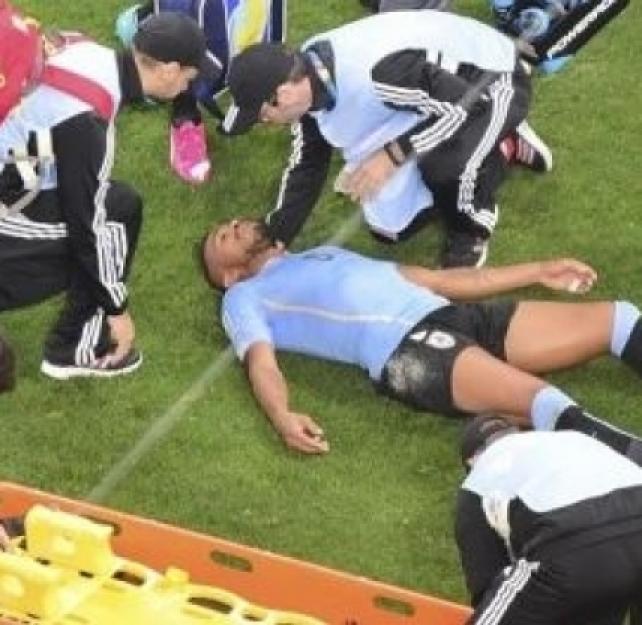
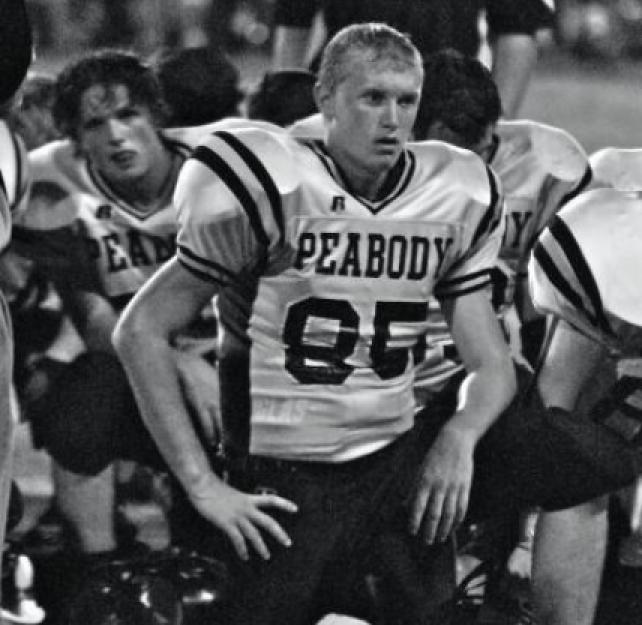
What happens when the drive to play outweighs the potential risk of injury? Some high school athletes are finding ways around the precautions coaching and medical staff take to ensure their safety.
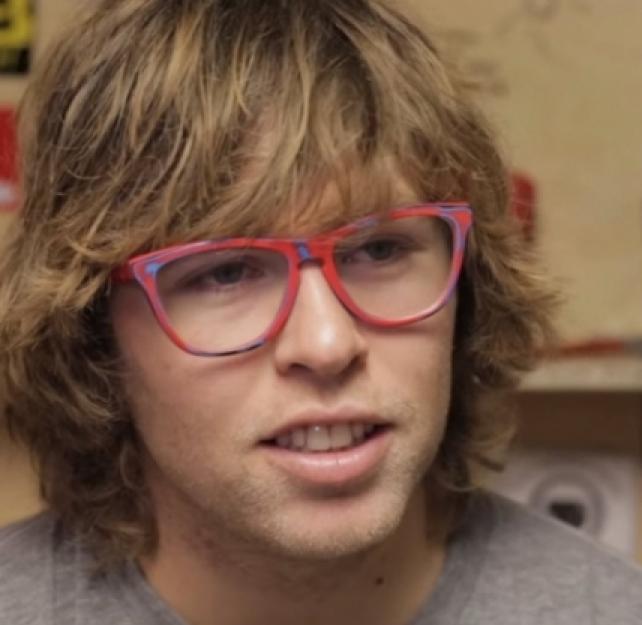
How a traumatic crash on the half pipe transformed Kevin Pearce to a new kind of leader in the snowboarding community through his Love Your Brain campaign.
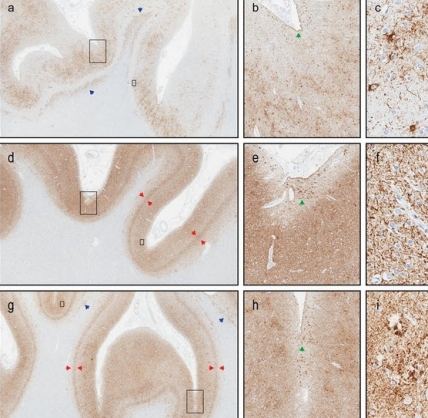
The neuropsychological findings of a 25-year-old former college football player who was diagnosed with chronic traumatic encephalopathy (CTE) postmortem.
A Mayo Clinic study links amateur contact sports — football, boxing, wrestling, rugby, basketball, baseball and others played while in school — with the development of CTE, which when severe can affect mood, behavior, and cognition.
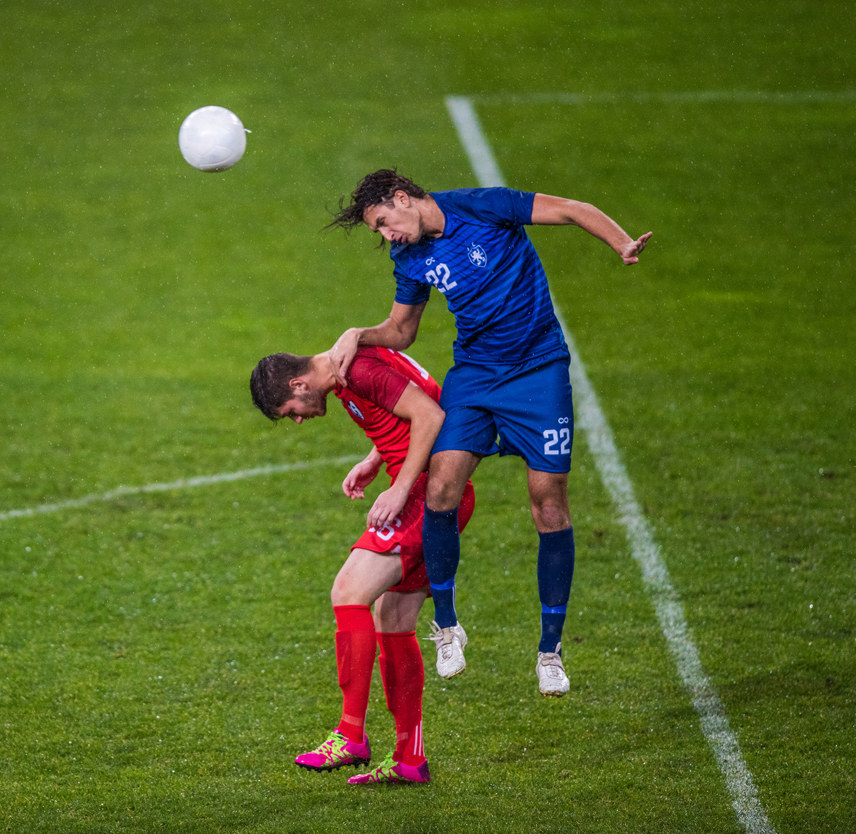
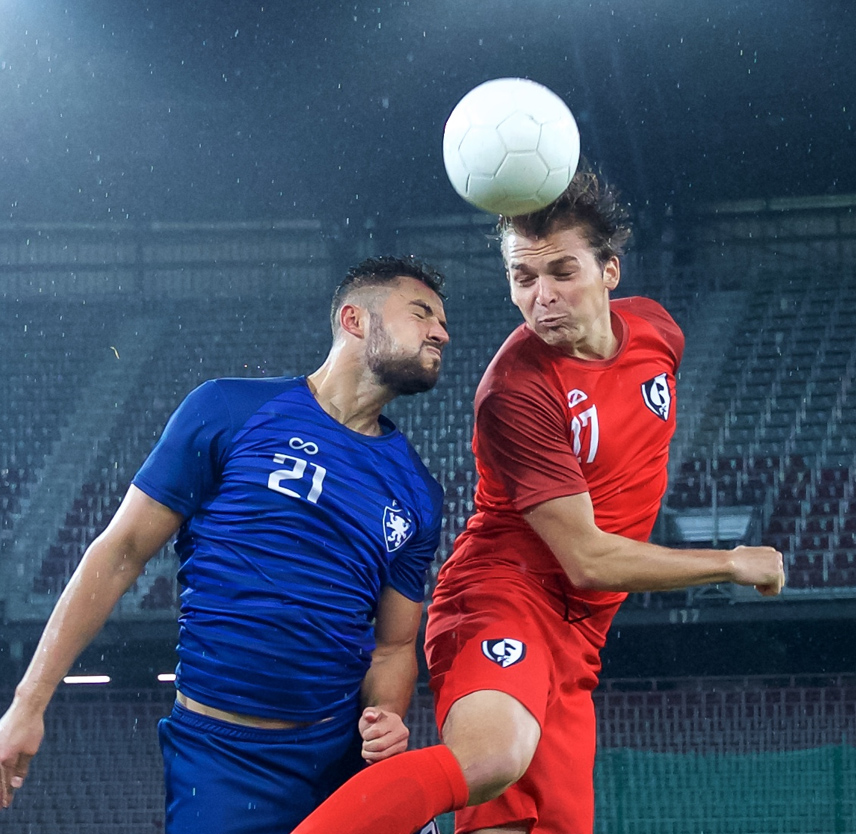
Contact with another player was the most common way boys and girls sustained concussions in a study of US high school soccer players, while heading the ball was the most common soccer-specific activity during which about one-third of boys and one-quarter of girls sustained concussions.
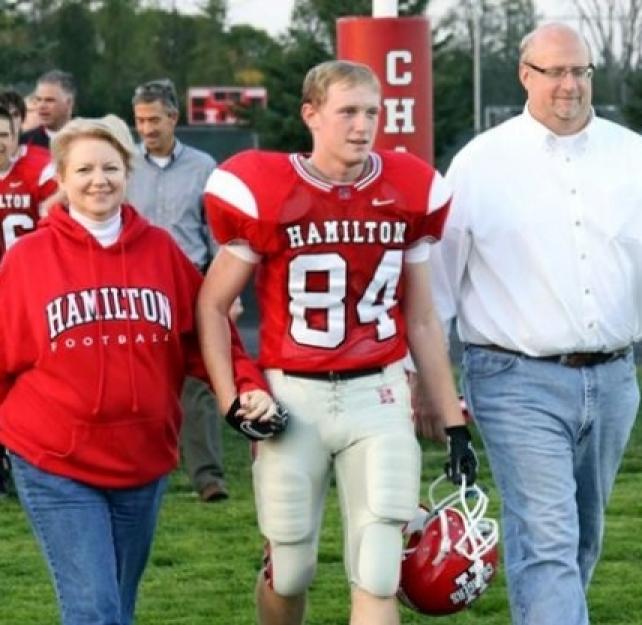
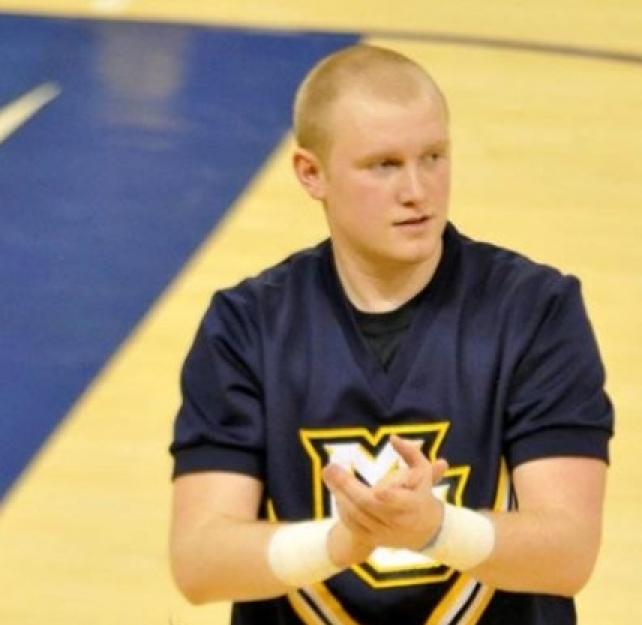
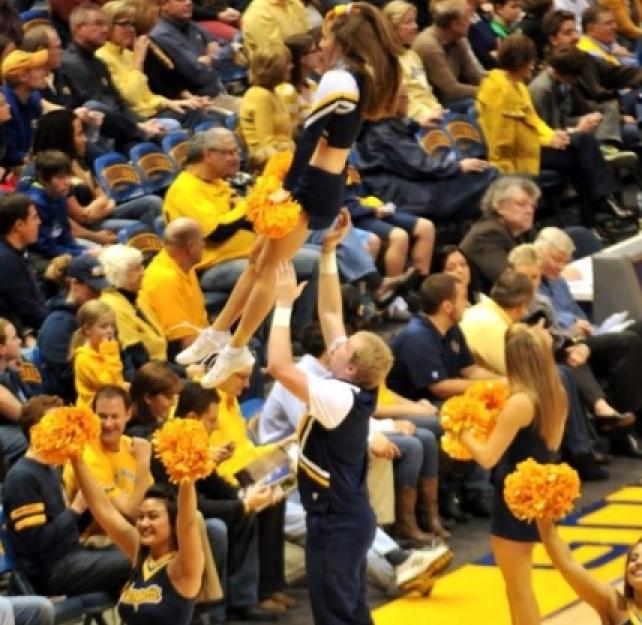
Bob Duncan whose son sustained a concussion while being a cheerleader for his college talks about what he would have done differently had he known more.
Bob Duncan talks about his son having to make the very difficult but wise decision to take a medical withdrawal from college to let his brain rest properly after a concussion.
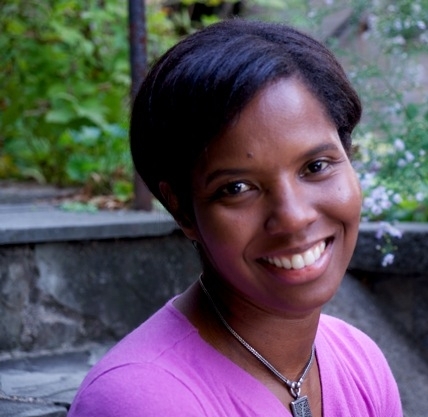
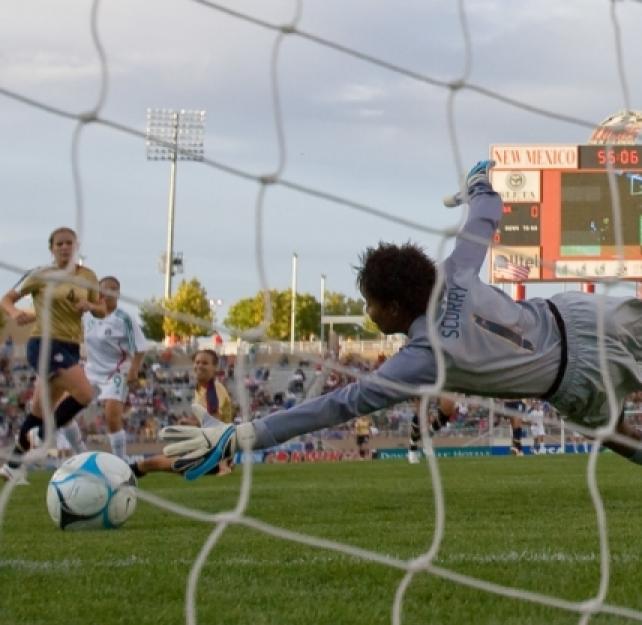
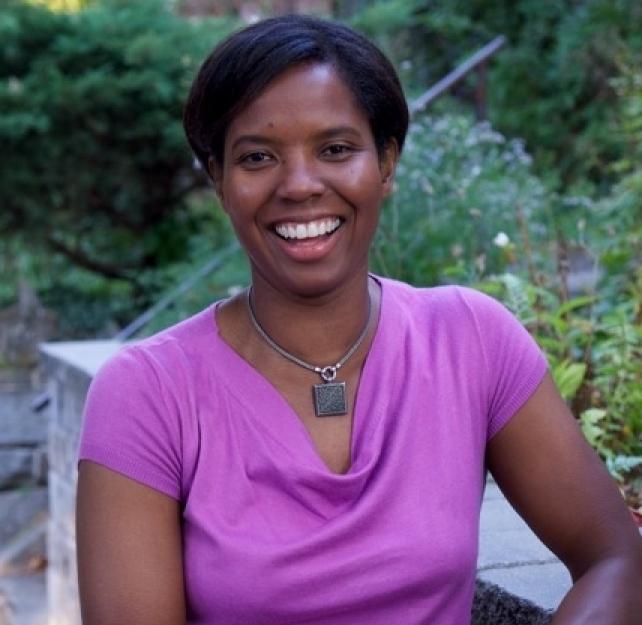
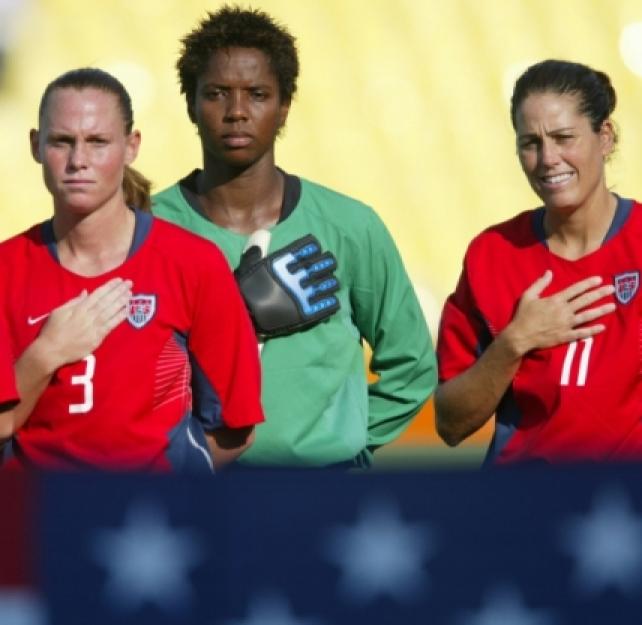
For a long time after her injury, soccer great Briana Scurry "hid her hell." Now, she knows that that was not the right thing to do and she wants to teach others to become more open and understanding about concussion.
Retired soccer star Briana Scurry talks about how frustrating and complicated it is trying to explain what it feels like to have symptoms from a concussion and why bouncing back is not always an option.
"The penalty kicks, the final goals in the Olympics, playing in front of the president, in front of 90,000 people ... that is what I was born to do ... and my brain is what I used to get myself there."
If you don't feel right after a concussion, talk to your parents, your coach, your doctor ... get a second, third, fourth opinion ... Do not accept that you will not get better.